Wearable Technology: Transforming the Way We Live and Work
Introduction
Wearable technology has become one of the most exciting areas of modern technology. It refers to electronic devices that can be worn on the body and are designed to perform useful functions. These devices can collect information, communicate with smartphones, monitor activities, provide notifications, and support many everyday tasks.
Examples of wearable technology include smartwatches, fitness trackers, smart glasses, wireless wearable devices, smart rings, and specialized devices used in professional environments. As sensors, wireless connectivity, artificial intelligence, and battery technology continue to improve, wearable devices are becoming smaller, smarter, and more capable.
Wearable technology is changing how people interact with digital information. Instead of constantly reaching for a smartphone or computer, users can receive information directly through a device worn on their wrist, finger, eyes, or clothing.
What Is Wearable Technology?
Wearable technology consists of electronic devices designed to be worn on or attached to the body. These devices commonly contain sensors, processors, wireless communication systems, batteries, and software.
A smartwatch, for example, can connect to a smartphone and display notifications, track physical activity, provide navigation, and support various applications.
Wearable technology can be divided into several categories, including consumer wearables, fitness devices, smart clothing, smart glasses, and professional or industrial wearables.
History of Wearable Technology
The idea of wearable technology is not completely new. People have used portable electronic devices for decades. However, modern wearable technology became more practical as electronics became smaller and wireless connectivity improved.
Early wearable devices often performed simple functions such as displaying time or counting steps. Modern devices can perform much more complex tasks because they use advanced processors, sensors, operating systems, and cloud services.
The development of smartphones also played an important role. Many wearable devices can communicate with smartphones through Bluetooth or other wireless technologies.
Smartwatches
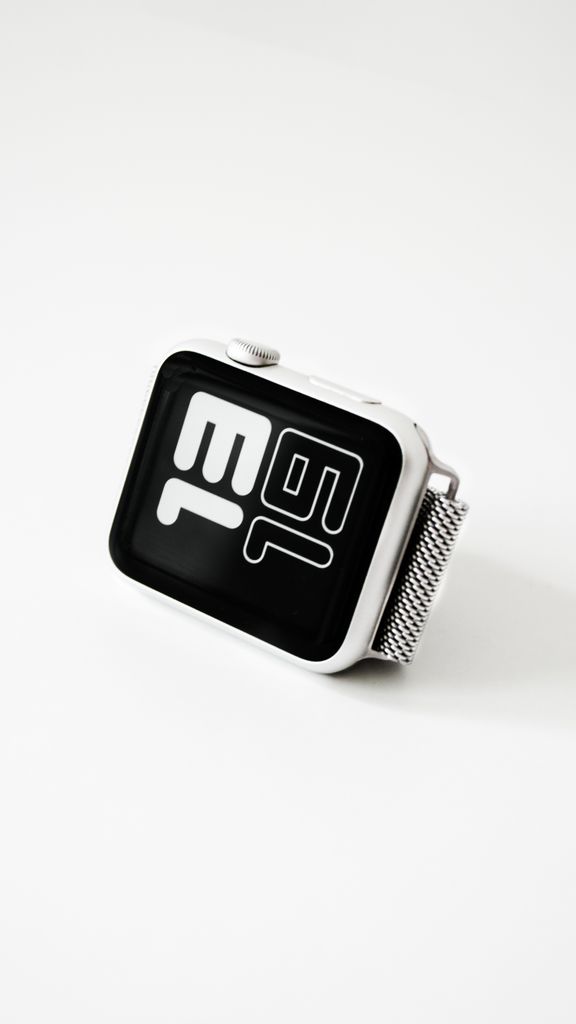
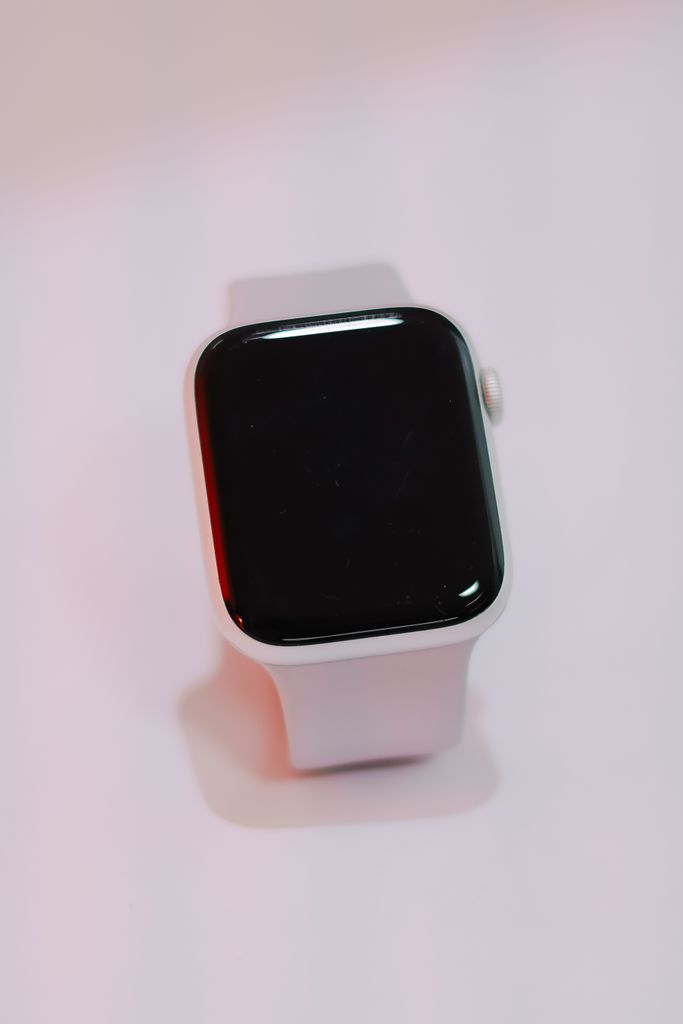
Smartwatches are among the most popular wearable devices. They look similar to traditional watches but provide many digital functions.
A smartwatch may provide:
- Notifications
- Calls and messages
- Fitness tracking
- Navigation
- Music controls
- Alarms
- Applications
- Contactless payments
Some smartwatches also contain GPS, accelerometers, gyroscopes, and other sensors.
Fitness Trackers
Fitness trackers are designed primarily to monitor physical activity. They can record information such as steps, movement, exercise sessions, and other activity-related measurements.
These devices can help users understand their daily activity and develop healthier routines. However, measurements from consumer devices are estimates and should not automatically be treated as medical diagnoses.
Smart Rings
Smart rings are small wearable devices designed to provide various tracking and notification features.
Their compact size makes them convenient for people who do not want to wear a smartwatch.
Some smart rings can monitor activity and other body-related signals. As sensor technology improves, smart rings may become an increasingly important category of wearable technology.
Smart Glasses
Smart glasses place digital information closer to the user’s field of view.
Depending on the device, smart glasses can provide:
- Navigation information
- Notifications
- Camera functionality
- Audio
- Visual information
- Augmented-reality experiences
Smart glasses have potential applications in entertainment, education, manufacturing, logistics, and professional training.
Smart Clothing
Smart clothing combines traditional clothing with electronic components.
Sensors can be integrated into fabrics to collect information or provide interactive functions.
Potential applications include sports, industrial work, entertainment, and accessibility.
As flexible electronics become more advanced, smart clothing could become more comfortable and practical.
Sensors in Wearable Devices
Sensors are among the most important components of wearable technology.
Common sensors include:
- Accelerometers
- Gyroscopes
- Optical sensors
- Temperature sensors
- GPS
- Pressure sensors
These sensors allow wearable devices to detect movement and other environmental or body-related signals.
Connectivity
Wearables often communicate with smartphones, computers, and cloud platforms.
Bluetooth is commonly used for short-range communication. Wi-Fi and cellular connectivity can also be available on certain devices.
Connectivity allows wearable devices to synchronize information and provide real-time services.
Artificial Intelligence and Wearables
Artificial intelligence is becoming increasingly important in wearable technology.
AI can analyze information collected by sensors and identify patterns.
For example, an AI-powered wearable system could analyze activity data and provide personalized insights.
AI can also improve voice assistants, gesture recognition, image processing, and other wearable features.
Wearables in Healthcare
Wearable technology has significant potential in healthcare.
Wearable devices can help collect information about a person’s activities and certain physiological signals. Healthcare professionals may use appropriately designed devices for monitoring and remote care.
However, consumer wearable measurements should not automatically be considered equivalent to clinical medical equipment. Medical decisions should be made with qualified healthcare professionals.
Wearables in Sports
Athletes and sports organizations use wearable technology to analyze performance.
Devices can provide information about movement, training activity, and other performance-related measurements.
This data can help coaches and athletes understand training patterns and improve planning.
Wearables in Education
Wearable technology can also support education.
Smart glasses could provide students with interactive information, while wearable devices can support hands-free learning experiences.
In technical training, augmented-reality wearables could display instructions while a student performs a task.
Wearables in the Workplace
Businesses are exploring wearable technology for workplace productivity and safety.
In industrial environments, wearable devices can provide workers with hands-free instructions, communication tools, or location information.
Smart glasses can also help technicians access technical documentation without stopping their work.
Advantages of Wearable Technology
Wearable technology offers several important advantages.
Convenience
Users can access information without constantly using a smartphone.
Real-Time Information
Wearables can provide notifications and information immediately.
Activity Tracking
Fitness-oriented devices can help users understand their activity patterns.
Hands-Free Interaction
Some wearables allow users to communicate or access information while keeping their hands free.
Personalization
Software can provide customized information based on user preferences and device data.
Challenges of Wearable Technology
Despite its advantages, wearable technology has several challenges.
Battery Life
Small devices have limited space for batteries. Advanced features can consume significant power.
Privacy
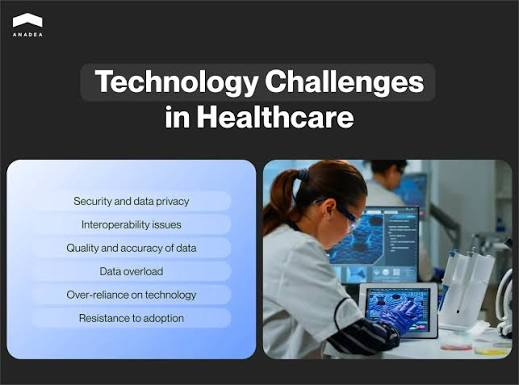
Wearables may collect sensitive or personal information. Users should understand what information a device collects and how it is stored or shared.
Security
Wireless devices can face cybersecurity threats. Strong passwords, software updates, and secure connections are important.
Comfort
Wearable devices need to be lightweight and comfortable for extended use.
Cost
Advanced wearable devices can be expensive, which may limit access for some users.
Privacy and Data Security
Privacy is one of the most important concerns surrounding wearable technology.
Devices can potentially collect information about location, activity, interactions, and other personal patterns. Companies should provide clear privacy policies and strong security protections.
Users should also review application permissions and keep their devices updated.
Future of Wearable Technology
The future of wearable technology is likely to involve smaller devices, better sensors, improved batteries, and more advanced artificial intelligence.
Wearables may become increasingly integrated into everyday life.
Future devices could provide more natural interactions through voice, gestures, and augmented reality. Smart clothing and flexible electronics could also make wearable technology less noticeable and more comfortable.
Conclusion
Wearable technology is changing the relationship between people and digital devices. Smartwatches, fitness trackers, smart rings, smart glasses, and smart clothing provide users with convenient ways to access information and collect useful data.
The combination of sensors, wireless connectivity, artificial intelligence, and improved hardware is making wearable devices increasingly capable. They have applications in fitness, sports, healthcare, education, business, entertainment, and many other industries.
At the same time, privacy, security, battery life, comfort, cost, and data accuracy remain important challenges. Responsible development and careful use will be necessary as wearable technology becomes more common.
Overall, wearable technology represents an important part of the future of computing. Instead of keeping technology separate from everyday life, wearable devices bring computing closer to the human body and make digital information more accessible, personalized, and immediate.