5G Technology: A Complete Guide to the Fifth Generation of Wireless Communication
Introduction
5G technology, short for the fifth generation of mobile wireless technology, represents a major evolution in how devices connect to communication networks. It was developed to provide faster data transmission, 5G Technology lower latency, greater network capacity, and improved support for large numbers of connected devices.
Previous generations of mobile technology transformed communication in different ways. 1G introduced basic mobile voice communication, 2G made digital cellular communication widespread, 3G expanded mobile internet access, and 4G enabled modern smartphone applications, video streaming, and high-speed mobile broadband. 5G builds on these developments while introducing technologies designed for much larger and more diverse connected environments.
The importance of 5G extends beyond smartphones 5G Technology. It can support connected vehicles, industrial automation, smart cities, Internet of Things devices, remote monitoring, augmented and virtual reality applications, cloud services, and many other technologies.
However, 5G is not simply a faster version of 4G. It involves changes to radio technologies, network architecture, spectrum usage, antennas, computing infrastructure, and network management.
This article explains 5G technology in detail, including its history, architecture, spectrum, speed, latency, infrastructure, applications, benefits, challenges, security, business opportunities, relationship with IoT and edge computing, and future development 5G Technology.
What Is 5G Technology?
5G is the fifth generation of cellular wireless communication technology.
It is designed to improve several aspects of mobile networks, including:
- Data speeds
- Network capacity
- Latency
- Reliability
- Device density
- Energy efficiency
- Network flexibility
5G can support smartphones and traditional mobile broadband while also enabling new categories of connected devices and industrial applications.
Evolution of Mobile Networks
Understanding 5G is easier when looking at the evolution of previous generations.
1G
First-generation networks introduced analog mobile voice communication.
They were primarily designed for voice calls and had limited capacity and security.
2G
Second-generation networks introduced digital communication.
They supported:
- Digital voice
- SMS
- Basic data services
3G
Third-generation networks improved mobile internet access.
They supported:
- Web browsing
- Multimedia messaging
- Mobile applications
- Video communication
4G
Fourth-generation networks significantly improved mobile broadband.
They enabled:
- High-speed internet
- HD video streaming
- Mobile gaming
- Cloud applications
- Video conferencing
5G
5G expands mobile networking beyond conventional smartphone use.
It is designed for high-performance connectivity across consumer, industrial, and machine-to-machine applications.
Why 5G Was Developed
The number of connected devices has grown rapidly.
People now use:
- Smartphones
- Tablets
- Smart watches
- Connected vehicles
- Cameras
- Industrial sensors
- Smart appliances
- Medical devices
At the same time, applications increasingly require large amounts of data and responsive connections.
5G was designed to address these changing requirements.
Key Characteristics of 5G
5G is commonly associated with three broad service categories:
- Enhanced Mobile Broadband
- Ultra-Reliable Low-Latency Communications
- Massive Machine-Type Communications
These categories represent different types of network requirements.
Enhanced Mobile Broadband
Enhanced Mobile Broadband, often called eMBB, focuses on providing high-speed wireless connectivity.
Potential applications include:
- High-resolution video
- Cloud gaming
- Virtual reality
- Augmented reality
- Large file transfers
Ultra-Reliable Low-Latency Communications
Ultra-Reliable Low-Latency Communications, or URLLC, focuses on applications that require highly responsive and reliable communication.
Potential examples include:
- Industrial automation
- Robotics
- Critical control systems
The exact performance depends on the network design and application.
Massive Machine-Type Communications
Massive Machine-Type Communications, or mMTC, focuses on connecting large numbers of devices.
Examples include:
- Sensors
- Smart meters
- Environmental monitoring systems
- Industrial IoT devices
5G Speed
5G can provide significantly higher data rates than many 4G deployments.
However, actual speeds depend on:
- Spectrum
- Network configuration
- Signal conditions
- Device capabilities
- Network congestion
- Distance from the cell site
Therefore, users should not assume that every 5G connection will operate at the same speed.
5G Latency
Latency refers to the time required for data to travel through a communication system.
Lower latency can improve responsiveness.
This is important for applications such as:
- Cloud gaming
- Interactive video
- Industrial control
- Remote operations
- AR and VR
Network Capacity
5G can increase the amount of traffic a network can handle.
Greater capacity becomes increasingly important as more devices and services connect to cellular networks.
5G Spectrum
5G can operate across different frequency ranges.
These are commonly described as:
- Low-band
- Mid-band
- High-band
Each has different characteristics.
Low-Band 5G
Low-frequency spectrum generally provides:
- Wide coverage
- Better building penetration
- Longer propagation distances
However, bandwidth may be more limited than at higher frequencies.
Mid-Band 5G
Mid-band spectrum offers a balance between:
- Coverage
- Capacity
- Speed
It is an important part of many 5G deployments.
High-Band 5G
High-frequency spectrum can provide very high capacity and data rates.
However, signals generally travel shorter distances and can be more affected by physical obstacles.
Millimeter-Wave 5G
Some high-frequency 5G deployments use millimeter-wave spectrum.
These frequencies can provide large amounts of bandwidth.
They are particularly useful in locations where many users require high capacity.
Challenges of High-Frequency Spectrum
High-frequency signals can experience greater propagation loss and may be affected by:
- Buildings
- Walls
- Trees
- Rain
- Physical obstructions
This means networks may require more closely spaced infrastructure.
Small Cells
Small cells are lower-power cellular access points that cover relatively small areas.
They can help provide capacity in:
- Dense urban areas
- Shopping centers
- Stadiums
- Airports
- Business districts
Massive MIMO
MIMO stands for Multiple Input Multiple Output.
Massive MIMO uses many antenna elements to improve network capacity and efficiency.
It can transmit multiple data streams and use advanced signal processing to serve users more efficiently.
Beamforming
Beamforming directs radio energy toward specific users or locations.
This can improve:
- Signal quality
- Coverage
- Capacity
Beamforming is particularly important for higher-frequency 5G systems.
Network Architecture
5G networks include several major components.
These can include:
- User equipment
- Radio access networks
- Core networks
- Transport networks
- Cloud infrastructure
- Edge computing resources
5G Radio Access Network
The Radio Access Network, or RAN, connects devices to the cellular network.
It includes radio equipment and antennas that communicate with mobile devices.
5G Core Network
The 5G core provides important network functions.
It manages areas such as:
- Authentication
- Mobility
- Session management
- Policy control
- Data connectivity
Cloud-Native Architecture
Modern 5G core networks can use cloud-native technologies.
These approaches can make network functions more flexible and scalable.
Network Virtualization
Network functions can increasingly run as software rather than being tied entirely to specialized hardware.
This provides greater flexibility.
Software-Defined Networking
Software-defined approaches can separate network control functions from hardware forwarding functions.
This can make networks easier to manage and automate.
Network Slicing
One of the important capabilities associated with 5G is network slicing.
Network slicing allows operators to create logically separated network environments with different characteristics.
For example:
- One slice could prioritize high-speed broadband.
- Another could support industrial applications.
- Another could support large numbers of IoT devices.
Benefits of Network Slicing
Network slicing can help operators tailor networks to different customers and applications.
It may support:
- Quality-of-service requirements
- Different security policies
- Different latency requirements
- Different capacity levels
5G and Internet of Things
5G and IoT are closely connected.
The Internet of Things involves physical devices that collect, process, or exchange data.
Examples include:
- Sensors
- Vehicles
- Appliances
- Cameras
- Industrial equipment
5G can provide connectivity for many of these devices.
Smart Cities
5G can support smart-city infrastructure.
Potential applications include:
- Traffic monitoring
- Smart lighting
- Environmental sensors
- Public safety systems
- Connected infrastructure
Connected Vehicles
Vehicles increasingly contain communication and computing capabilities.
5G can support communication between:
- Vehicles
- Road infrastructure
- Cloud services
- Traffic management systems
Vehicle-to-Everything Communication
Vehicle-to-Everything, or V2X, describes communication involving vehicles and their surrounding environment.
Potential forms include:
- Vehicle-to-vehicle
- Vehicle-to-infrastructure
- Vehicle-to-network
- Vehicle-to-pedestrian
Autonomous Vehicles
Autonomous driving systems use multiple technologies, including sensors, computing, mapping, and communication.
5G can support some communication-related functions, but autonomous vehicles do not depend solely on cellular connectivity.
5G in Healthcare
5G can support healthcare applications that require reliable connectivity.
Potential uses include:
- Connected medical equipment
- Remote monitoring
- Telemedicine
- Medical imaging transfer
- Hospital IoT
Telemedicine
5G Technology can improve the connectivity available for remote healthcare consultations.
High-quality video can benefit from higher bandwidth and stable connections.
Remote Monitoring
Connected devices can transmit health-related measurements to healthcare systems.
Because medical information is sensitive, security and privacy are critical.
5G in Manufacturing
Manufacturing is one of the areas where 5G Technology can support industrial automation.
Factories can use connected:
- Robots
- Sensors
- Cameras
- Machines
- Control systems
Industrial IoT
Industrial IoT connects machinery and sensors to digital systems.
5G can provide wireless connectivity for some industrial environments.
Smart Factories
A smart factory combines connected 5G Technology equipment, automation, data analytics, AI, and other technologies.
5G can serve as one part of this infrastructure.
Robotics
Industrial robots may need reliable communication with control systems.
5G Technology can provide wireless connectivity in environments where traditional wired systems are difficult to deploy.
Predictive Maintenance
Connected sensors can collect information about equipment.
Analytics systems can use this information to identify potential maintenance needs.
5G and Edge Computing
5G Technology is closely related to edge computing.
Edge computing moves processing closer to where data is generated.
This can reduce the distance data needs to travel.
Why Edge Computing Matters
Applications requiring fast responses may benefit from processing near the user.
Examples include:
- Industrial automation
- AR applications
- Gaming
- Video analytics
- Smart infrastructure
Multi-Access Edge Computing
Multi-Access Edge Computing, or MEC, places computing resources closer to mobile users.
This can complement 5G networks.
5G and Cloud Computing
Cloud computing provides scalable computing and storage resources.
5G Technology can provide high-performance connectivity between users and cloud services.
Together, cloud and 5G can support many new applications.
Mobile Cloud Computing
Mobile devices can use cloud resources for processing and storage.
5G Technology can improve the network connection between devices and cloud infrastructure.
5G and Artificial Intelligence
AI systems require data and computing resources.
5G Technology can provide connectivity for AI-enabled devices and sensors.
Examples include:
- Smart cameras
- Industrial AI
- Autonomous systems
- Intelligent transportation
AI-Powered Network Management
AI can also be used to manage networks.
Potential applications include:
- Traffic prediction
- Fault detection
- Resource optimization
- Security monitoring
5G and Augmented Reality
Augmented Reality, or AR, overlays digital information onto the physical world.
5G Technology can provide high-speed connectivity for some AR applications.
5G and Virtual Reality
Virtual Reality, or VR, creates immersive digital environments.
High-quality VR can require substantial bandwidth and low latency.
5G Technology can support wireless VR applications, particularly when combined with edge computing.
5G Gaming
Cloud gaming allows games to run on remote servers while users receive interactive video streams.
5G Technologycan improve the connection between mobile devices and gaming services.
However, gaming performance still depends on network conditions and server infrastructure.
5G Video Streaming
5G Technology can support high-resolution video streaming.
Users may experience faster downloads and improved streaming where suitable network capacity is available.
5G in Education
Educational institutions can use5G Technology for:
- Connected classrooms
- Virtual learning
- AR and VR education
- Cloud applications
- Connected campus systems
Remote Learning
High-speed mobile connectivity can support students who depend on wireless internet access.
5G in Agriculture
Agriculture can use connected sensors and machines.
Potential applications include:
- Soil monitoring
- Irrigation systems
- Crop monitoring
- Connected machinery
- Environmental sensing
Precision Agriculture
Precision agriculture uses technology and data to improve agricultural decisions.
5G Technology can provide connectivity for sensors and equipment in suitable deployments.
5G in Logistics
Logistics companies can use connected technologies for:
- Vehicle tracking
- Warehouse automation
- Inventory monitoring
- Route management
Smart Warehouses
Connected sensors, robots, cameras, and management systems can communicate across warehouse environments.
5G in Retail
Retail businesses can use 5G for:
- Smart stores
- Inventory monitoring
- Digital signage
- Customer experiences
- Connected payment systems
5G in Tourism
Tourism applications can include:
- Connected travel services
- AR navigation
- Smart transportation
- High-speed mobile connectivity
5G in Entertainment
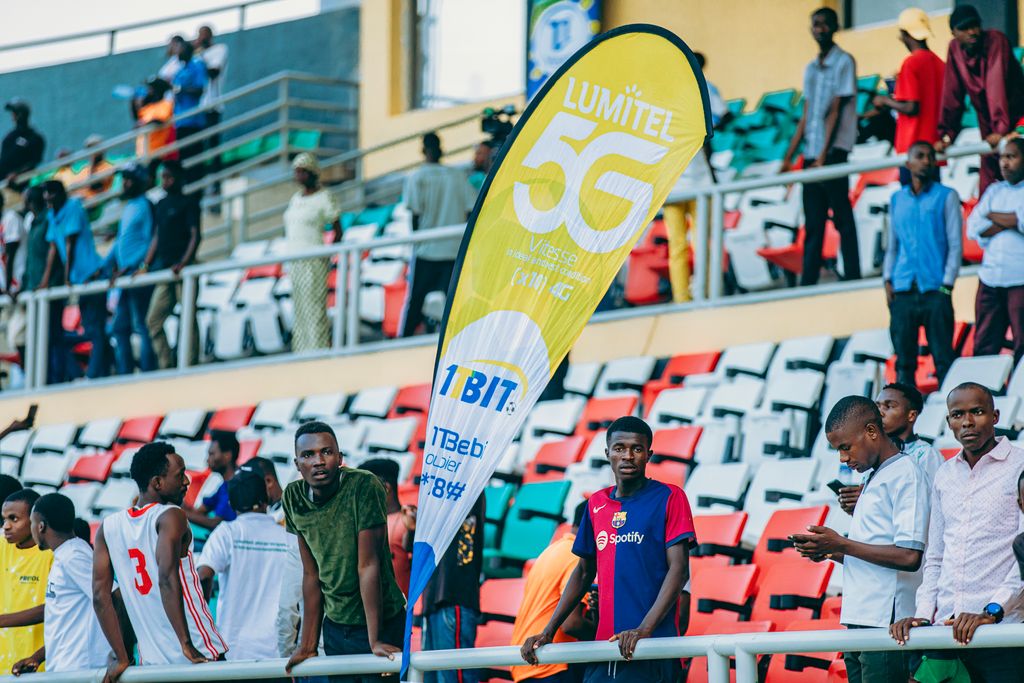
Entertainment venues such as stadiums and concert halls can use 5G to provide high-capacity connectivity to large numbers of users.
Stadium Connectivity
Thousands of people may use mobile services simultaneously at major events.
5G Technology can increase capacity in these high-density environments.
5G and Public Safety
Emergency organizations can potentially use advanced cellular networks for:
- Connected cameras
- Communications
- Sensor networks
- Situational awareness
Public safety networks may have specialized requirements beyond ordinary consumer connectivity.
5G and Disaster Response
Wireless networks can support communication during emergencies.
However, network resilience depends on infrastructure availability, power, backhaul, and disaster conditions.
5G Security
Security is a major consideration for 5G networks.
As networks connect more devices and applications, the potential attack surface can increase.
5G Authentication
5G Technologynetworks use authentication mechanisms to verify users and devices.
Strong authentication helps prevent unauthorized access.
Encryption
5G Technologyuses security mechanisms designed to protect communication and network information.
Organizations must also secure applications and devices connected to the network.
Device Security
A secure network cannot fully protect insecure devices.
IoT devices should use:
- Strong authentication
- Secure software
- Updates
- Appropriate access controls
Network Security
Network operators use multiple security controls.
These can include:
- Firewalls
- Monitoring
- Access control
- Threat detection
- Segmentation
5G and Cybersecurity
The large number of connected devices can create cybersecurity challenges.
Potential risks include:
- Compromised IoT devices
- Denial-of-service attacks
- Malware
- Credential theft
- Network attacks
Zero Trust
Zero Trust security assumes that access should not automatically be trusted simply because a device is inside a network.
Identity verification and continuous policy enforcement can help reduce risks.
Privacy and 5G
5G Technology networks process significant amounts of information.
Privacy considerations can include:
- Location information
- Device identifiers
- Usage patterns
- Application data
Operators and service providers must follow applicable privacy requirements.
5G Infrastructure
Building 5G Technology networks requires substantial infrastructure.
Components can include:
- Base stations
- Antennas
- Fiber connections
- Wireless backhaul
- Data centers
- Edge computing facilities
Fiber and 5G
Although5G Technology is wireless at the user connection, network operators often rely heavily on fiber infrastructure to connect cell sites to the broader network.
Backhaul
Backhaul connects radio access infrastructure to the core network.
High-capacity backhaul is important for high-performance 5G deployments.
Small Cell Deployment
Dense networks may require many small cells.
This can create challenges involving:
- Site acquisition
- Power
- Maintenance
- Planning
- Regulation
Spectrum Allocation
Governments and regulators manage radio spectrum.
Different countries allocate spectrum differently.
This means 5G availability and performance vary significantly by location.
Standalone 5G
Standalone 5G uses a 5G core network.
It can support more advanced 5G capabilities.
Non-Standalone 5G
Non-Standalone 5G uses some existing 4G infrastructure alongside 5G radio technology.
It allowed many operators to introduce 5G without immediately replacing the entire existing network.
5G Devices
Modern 5G devices include:
- Smartphones
- Tablets
- Routers
- Industrial equipment
- IoT devices
Device capabilities depend on supported frequency bands and network standards.
5G Home Internet
5G can be used to provide fixed wireless internet access.
A 5G router receives a cellular signal and provides internet connectivity to a home or business.
Fixed Wireless Access
Fixed Wireless Access, or FWA, can provide broadband without requiring a traditional wired connection directly to the premises.
This can be useful in areas where deploying wired infrastructure is expensive or difficult.
5G and Rural Connectivity
5G can contribute to rural connectivity, particularly using lower-frequency spectrum.
However, geography, infrastructure costs, population density, and backhaul availability affect deployment.
Advantages of 5G
Major potential advantages include:
- Higher speeds
- Lower latency
- Increased capacity
- Greater device density
- Flexible network architecture
- Support for IoT
- Industrial connectivity
- Improved mobile broadband
Higher Speeds
Higher speeds can improve:
- Downloads
- Streaming
- Cloud applications
- Large file transfers
Lower Latency
Reduced latency can improve interactive applications.
Greater Capacity
5G can support more users and devices in high-density environments.
Massive Device Connectivity
5G is designed to support large numbers of connected devices.
Network Flexibility
Virtualization and software-defined infrastructure can make networks more adaptable.
Challenges of 5G
Despite its advantages, 5G has challenges.
These include:
- Infrastructure costs
- Spectrum availability
- Coverage limitations
- Device compatibility
- Security
- Energy consumption
- Deployment complexity
Deployment Costs
5G infrastructure can require significant investment.
Operators may need to upgrade:
- Radio equipment
- Antennas
- Core networks
- Transport infrastructure
Coverage
Higher-frequency signals generally cover shorter distances.
Therefore, high-capacity deployments may require dense infrastructure.
Energy Consumption
Network operators must manage energy use across radio equipment, data centers, and supporting infrastructure.
Energy-efficient hardware and network management can help.
Device Costs
5G-compatible devices can be more expensive than older devices, although prices can change as technology becomes widespread.
Compatibility
Different regions may use different frequency bands.
Devices need appropriate support for local network configurations.
5G and Digital Divide
Technology does not automatically guarantee equal access.
Differences in:
- Infrastructure
- Affordability
- Device availability
- Digital skills
can affect who benefits from 5G.
5G Business Opportunities
5G creates opportunities for:
- Telecom operators
- Cloud providers
- Device manufacturers
- Software companies
- IoT providers
- Industrial technology companies
Private 5G Networks
Organizations can deploy private cellular networks for specific locations.
Potential users include:
- Factories
- Ports
- Airports
- Warehouses
- Universities
Benefits of Private 5G
Private networks can provide organizations with greater control over:
- Connectivity
- Security
- Network configuration
- Device management
5G and Industry 4.0
Industry 4.0 describes the integration of digital technologies into manufacturing.
Technologies include:
- IoT
- AI
- Robotics
- Cloud computing
- Edge computing
- Advanced networking
5G can serve as one connectivity layer within Industry 4.0 environments.
5G and Digital Twins
Digital twins are digital representations of physical systems.
Sensors can provide real-world information to digital models.
5G can help connect sensors and machines to digital-twin platforms.
5G and Smart Infrastructure
Infrastructure such as bridges, roads, buildings, and utilities can use sensors.
5G can support connectivity for monitoring and management systems.
5G and Environmental Monitoring
Connected sensors can monitor:
- Air quality
- Water conditions
- Temperature
- Noise
- Weather
5G can provide connectivity where suitable.
5G and Energy Systems
Energy companies can use connected networks for:
- Smart grids
- Monitoring
- Equipment management
- Demand analysis
5G and Smart Grids
Smart grids use digital technology to monitor and manage electricity systems.
Connected devices can provide real-time information to operators.
5G and Transportation
Transportation systems can use connected infrastructure.
Potential applications include:
- Traffic management
- Fleet monitoring
- Smart parking
- Connected public transport
5G and Drones
Drones can use cellular connectivity for certain applications.
Potential uses include:
- Infrastructure inspection
- Agriculture
- Mapping
- Monitoring
Regulatory and safety requirements remain important.
5G and Maritime Connectivity
Cellular technologies may support connectivity in suitable coastal or port environments.
Maritime applications can also rely on specialized communication technologies.
5G and Satellite Networks
Satellite and terrestrial networks can complement one another.
Satellite systems can help provide connectivity in areas where terrestrial infrastructure is limited.
5G Advanced
5G technology continues to evolve through standards development.
Future enhancements can improve:
- Performance
- Positioning
- AI integration
- Energy efficiency
- Device support
Beyond 5G
Research is already exploring technologies beyond 5G.
Future networks may seek:
- Higher capacity
- Lower latency
- Better sensing
- Greater energy efficiency
- Advanced AI integration
Toward 6G
6G is expected to represent the next major generation of wireless communication.
Research areas include:
- AI-native networks
- Advanced sensing
- Extremely high frequencies
- Integrated communication and sensing
- New network architectures
6G remains a developing research and standards topic.
5G and Artificial Intelligence in Future Networks
AI may increasingly control network resources dynamically.
A future network could predict demand and automatically adjust resources.
Network Automation
Automation can reduce the amount of manual network management.
AI-assisted systems can identify problems and recommend or implement changes within controlled environments.
5G and Sustainability
Sustainability is an important consideration for future communication networks.
Operators can focus on:
- Energy-efficient hardware
- Renewable electricity
- Intelligent network management
- Efficient cooling
- Equipment reuse
Environmental Benefits
Some 5G-enabled applications could potentially improve resource efficiency.
Examples include:
- Smart transportation
- Precision agriculture
- Smart energy systems
- Remote collaboration
The overall environmental impact depends on how the technology is deployed and used.
How 5G Changes Everyday Life
For ordinary users, 5G can provide:
- Faster mobile internet
- Better performance in crowded areas
- Improved connectivity
- New applications
However, many everyday activities may continue to work perfectly well on 4G.
The most important impact of 5G may therefore be its ability to enable new types of connected services.
Is 5G Only About Speed?
No.
Speed is only one part of the technology.
5G also focuses on:
- Latency
- Reliability
- Capacity
- Device density
- Network flexibility
These characteristics make it useful for applications beyond traditional smartphone internet.
5G Adoption
5G adoption varies between countries and regions.
Factors include:
- Spectrum policy
- Operator investment
- Population density
- Device availability
- Consumer demand
- Infrastructure
How Businesses Can Prepare for 5G
Businesses can prepare by identifying use cases rather than adopting the technology simply because it is new.
Organizations can evaluate:
- Current connectivity problems.
- Potential 5G applications.
- Required devices.
- Security requirements.
- Infrastructure costs.
- Expected business benefits.
5G Implementation Strategy
A practical implementation can involve:
Step 1: Identify the Problem
Determine what business or technical problem needs to be solved.
Step 2: Evaluate Connectivity
Determine whether 5G provides meaningful advantages over existing connectivity.
Step 3: Run a Pilot
Test the technology in a controlled environment.
Step 4: Measure Results
Evaluate performance, reliability, cost, and security.
Step 5: Scale
Expand successful deployments.
Future Applications of 5G
Potential future applications include:
- Advanced robotics
- Smart transportation
- Industrial automation
- Immersive media
- Connected infrastructure
- Intelligent agriculture
- Remote operations
- Large-scale IoT
Conclusion
5G technology represents a major development in wireless communication.
It is designed to provide faster connectivity, lower latency, greater capacity, improved support for large numbers of devices, and more flexible network architecture.
Although 5G is often associated with faster smartphone internet, its broader significance lies in its potential to connect machines, vehicles, industrial equipment, sensors, infrastructure, and digital services.
The technology can support applications across healthcare, manufacturing, agriculture, transportation, education, entertainment, logistics, retail, smart cities, and many other industries.
5G also works closely with other emerging technologies.
The combination of 5G, edge computing, cloud computing, artificial intelligence, Internet of Things devices, robotics, and digital twins can create powerful connected systems.
However, deploying 5G involves challenges.
Infrastructure can be expensive, higher-frequency networks may require dense deployments, spectrum availability differs between countries, and security becomes increasingly important as more devices become connected.
Privacy must also be considered because connected systems can process large amounts of information.
The future of 5G will likely involve greater automation, improved energy efficiency, expanded private networks, advanced IoT applications, and closer integration with AI and edge computing.
5G should therefore not be viewed simply as a faster mobile network. It is better understood as an important connectivity platform for a broader digital ecosystem.
As organizations continue to digitize their operations, reliable wireless connectivity will become increasingly important. 5G can provide one of the foundations for this transformation.
The most valuable 5G applications will likely be those that solve real problems rather than simply using the technology for its own sake.
When combined with strong cybersecurity, appropriate privacy controls, efficient infrastructure, and thoughtful business planning, 5G can help create faster, more connected, and more intelligent digital environments.
The transition from previous generations to 5G is therefore more than an upgrade in mobile communications. It represents another step toward a world where people, machines, vehicles, infrastructure, and digital services can communicate continuously and efficiently.
As technology continues to develop, 5G will remain an important part of the global connectivity landscape and a foundation for many of the digital applications that will shape the coming years.