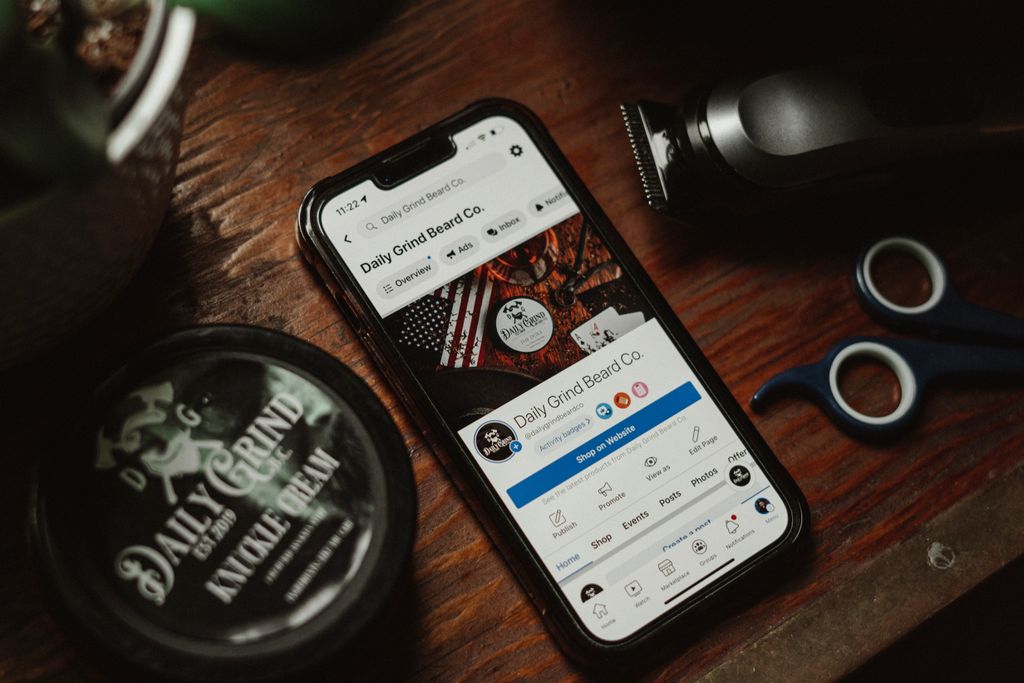
How to Run a Small Business Successfully on Facebook
Introduction
Facebook has become an important platform for small businesses because it allows entrepreneurs to connect with customers, showcase products and services, build communities, and promote their brands. A small business does not necessarily need a large physical store or a huge advertising budget to begin building an audience online.Small Business
However, simply creating a Facebook Page and posting occasionally does not guarantee success. Successful Facebook businesses require a clear strategy, useful content, consistent communication, good customer service, and an understanding of the audience. Small Business
Facebook should be treated as a business platform rather than simply a place to publish advertisements. Customers want information, trust, helpful communication, and good experiences. A business that understands these needs can use Facebook to develop long-term relationships and increase sales. Small Business
This article explains how small businesses can build and manage a successful Facebook presence.
1. Define Your Business Clearly
Before creating content, understand exactly what your business offers.
Ask yourself:
- What product or service do I provide?
- Who are my customers?
- What problem does my business solve?
- Why should customers choose my business?
- What makes my business different?
For example, a small clothing business should know whether it focuses on students, families, professionals, children, or another customer group.
A clear business identity makes content creation and marketing much easier.
2. Identify Your Target Audience
Trying to sell to everyone can make marketing difficult.
A small business should identify its ideal customers.
Consider factors such as:
- Age group
- Location
- Interests
- Buying habits
- Needs
- Budget
- Problems they want solved
Understanding the audience helps a business create content that feels relevant.
For example, a local bakery may focus on people in nearby neighborhoods rather than trying to reach customers across an entire country.
3. Create a Professional Facebook Page
A professional Facebook Page is one of the foundations of a business presence.
Use a recognizable business name and profile image.
The profile picture could be a clear logo, while the cover image can communicate the company’s products, services, or brand identity.
Make sure important information is easy to find.
Include:
- Business description
- Contact information
- Location, if relevant
- Opening hours
- Website or other official contact method
- Products or services
- Frequently asked questions
A visitor should understand what your business does within a few seconds.
4. Write a Strong Business Description
Your Facebook description should be short, clear, and useful.
Instead of using complicated marketing language, explain what you offer and who you serve.
For example:
“Affordable custom phone accessories for students and everyday users. We offer personalized designs and local delivery.”
A strong description tells customers what the business does and why they should pay attention.
5. Use High-Quality Visuals
Facebook is a visual platform.
Good photographs and videos can make products easier to understand and more attractive.
Product images should be clear and well-lit.
If you sell clothing, show different angles.
If you sell food, use attractive but realistic photographs.
If you provide services, demonstrate the work through photographs, videos, or examples.
Good visuals do not necessarily require expensive equipment. A modern smartphone, good lighting, clean backgrounds, and careful editing can be enough for many small businesses.
6. Create Valuable Content
A common mistake is turning every Facebook post into an advertisement.
Customers do not want to see “Buy now!” in every post.
Instead, create different types of content.
You could share:
- Product demonstrations
- Educational tips
- Customer questions
- Behind-the-scenes content
- Product comparisons
- Frequently asked questions
- Business stories
- Helpful tutorials
- Customer experiences
- Special offers
- New product announcements
A balanced content strategy keeps the page interesting.
7. Follow the 80/20 Principle Carefully
A useful general approach is to make most content helpful or interesting while using a smaller portion for direct promotion.
For example, a business could focus heavily on educational and entertaining content while occasionally promoting products.
This is not a strict Facebook rule. It is simply a strategy to avoid making the page feel like a continuous advertisement.
The exact ratio can change depending on the business and audience.
8. Post Consistently
Consistency is more important than posting a huge amount of content for a short period.
A small business might choose a manageable schedule such as several posts per week.
The best schedule depends on the audience and business.
Instead of posting ten times one week and disappearing for a month, create a schedule that can realistically be maintained.
Consistency helps customers remember the business.
9. Use Different Content Formats
Facebook supports different content formats.
Businesses can experiment with:
- Images
- Short videos
- Longer videos
- Stories
- Text posts
- Live broadcasts
- Product-focused content
Short videos can be useful for demonstrating products or explaining services.
Images can communicate product details quickly.
Stories can be useful for updates and behind-the-scenes moments.
Different formats allow businesses to discover what their audience responds to best.
10. Create Short Videos
Video is an important part of modern social media marketing.
A small business can create simple videos without a professional studio.
For example, a restaurant could show how a dish is prepared.
A clothing business could demonstrate different products.
A technology seller could explain a product’s features.
A service provider could show a before-and-after example.
The video should have a clear purpose and communicate the main idea quickly.
11. Write Better Captions
A good caption gives context to the content.
Instead of writing:
“New product available.”
Try something more useful:
“Looking for a simple phone case that protects your device without adding too much bulk? Our latest collection includes several everyday designs.”
The caption should help customers understand why the product matters.
A clear call to action can also be included.
For example:
“Send us a message for availability.”
12. Respond to Customers Quickly
Customer service is one of the most important parts of Facebook business management.
When customers ask questions in comments or messages, respond politely and clearly.
Customers may ask about:
- Price
- Availability
- Delivery
- Size
- Features
- Payment methods
- Return policies
A quick and professional response can build trust.
Even when the answer is “not available,” communicating respectfully is better than ignoring the customer.
13. Build Trust
Trust is essential for small businesses.
Customers may be cautious when purchasing from an unfamiliar business.
Businesses can build trust through:
- Accurate product information
- Clear prices
- Real photographs
- Honest communication
- Transparent policies
- Professional customer service
- Genuine customer feedback
- Consistent branding
Never make promises that the business cannot keep.
Long-term trust is more valuable than a quick sale.
14. Encourage Genuine Customer Reviews
Customer feedback can help potential buyers understand the experience of working with a business.
Encourage satisfied customers to leave honest reviews when appropriate.
Do not create fake reviews or misleading testimonials.
Authentic feedback is more valuable because it reflects real customer experiences.
Businesses should also respond professionally to negative feedback.
15. Handle Negative Comments Professionally
Every business can eventually receive criticism.
The worst response is often an angry public argument.
Instead:
- Stay calm.
- Understand the complaint.
- Respond respectfully.
- Explain the situation if necessary.
- Offer an appropriate solution when possible.
- Avoid revealing private customer information publicly.
If a complaint contains sensitive details, moving the conversation to a private channel can be appropriate.
A professional response can demonstrate that the business takes customers seriously.
16. Use Facebook Groups Carefully
Facebook Groups can provide opportunities to connect with communities.
For example, a local business might participate in relevant community groups.
However, businesses should follow group rules.
Constantly posting advertisements in groups where promotion is not allowed can damage reputation.
The best approach is to contribute useful information and participate genuinely.
17. Build a Community
Successful Facebook marketing is not only about selling.
A business can build a community around shared interests.
For example, a fitness-related business could share general fitness education.
A technology business could discuss useful technology tips.
A cooking business could share recipes or food knowledge.
A community creates a reason for people to follow the page even when they are not ready to purchase something.
18. Use Local Marketing
Local businesses can benefit greatly from Facebook.
A restaurant, salon, repair shop, clothing store, tutoring service, or local delivery business can focus on nearby customers.
Use location information where appropriate.
Create content relevant to the local community.
For example, a local restaurant can post about new menu items, local events, or special offers available to nearby customers.
Local relevance can make marketing more effective than trying to reach everyone.
19. Use Facebook Ads Strategically
Organic content can help build an audience, while paid advertising can help reach specific groups.
Small businesses should avoid spending money randomly.
Before running an advertisement, define:
- Goal
- Target audience
- Budget
- Duration
- Offer
- Creative material
- Desired customer action
The goal could be to increase awareness, generate messages, promote a product, or drive visitors to a website.
A clear objective makes advertising easier to evaluate.
20. Start With a Controlled Advertising Budget

Small businesses do not necessarily need a huge advertising budget.
Start with an amount the business can afford to lose while testing the campaign.
Analyze results before increasing spending.
If one advertisement performs better than another, investigate why.
Successful advertising is usually based on testing and learning rather than guessing.
21. Test Different Advertisements
A business can experiment with different:
- Images
- Videos
- Headlines
- Captions
- Offers
- Audiences
- Calls to action
This process can reveal what customers respond to.
For example, one audience might respond better to a product demonstration while another responds better to customer testimonials.
Testing helps businesses make decisions based on evidence.
22. Track Important Results
A business should not judge success only by likes.
Important measurements can include:
- Messages
- Leads
- Website visits
- Product inquiries
- Purchases
- Video views
- Engagement
- Customer retention
- Advertising cost
- Revenue
A post with fewer likes can sometimes generate more customers than a highly popular post.
The business goal should determine which metrics matter most.
23. Learn From Facebook Insights and Analytics
Facebook provides tools that can help businesses understand how their content performs.
Businesses can examine information such as audience engagement, content performance, and other available page statistics.
Use this information to identify patterns.
If educational videos consistently perform well, create more educational videos.
If certain posts receive little attention, consider changing the format or topic.
Analytics should guide decisions rather than replace creativity.
24. Create a Content Calendar
A content calendar can make Facebook management easier.
Plan content in advance.
For example:
Monday: Educational tip
Tuesday: Product feature
Wednesday: Short video
Thursday: Customer question
Friday: Special offer
Saturday: Behind-the-scenes content
Sunday: Community or motivational post
The schedule does not have to be exactly like this.
The purpose is to avoid running out of ideas and disappearing from the platform.
25. Use Storytelling
People connect with stories.
Instead of only saying what your business sells, explain how the business began, what problem it wanted to solve, or what motivates the team.
For example, a small bakery could explain how a family recipe became a business.
A technology startup could explain how the founders developed their first product.
Stories make businesses feel more human.
26. Show the People Behind the Business
Customers often want to know who they are buying from.
Showing the people behind a small business can increase familiarity.
Businesses can introduce team members, show preparation processes, or share behind-the-scenes moments.
This can help transform a company from an anonymous page into a recognizable brand.
27. Avoid Fake Engagement
Some businesses try to increase popularity through fake followers, fake comments, or artificial engagement.
This can damage credibility and make analytics less useful.
A smaller audience that genuinely cares about the business is often more valuable than a large audience that never becomes customers.
Focus on real people and genuine relationships.
28. Avoid Copying Competitors
Competitor research can provide ideas, but a business should not simply copy another company’s content.
Develop a unique identity.
Use your own photographs, stories, explanations, experiences, and brand voice.
Customers should be able to recognize your content without seeing the business name.
29. Protect the Business Account
Security is extremely important.
Business accounts may contain customer messages, advertising information, business details, and other valuable information.
Use strong passwords and appropriate account security features.
Do not share passwords casually.
Be careful with suspicious links, fake support messages, and requests for account credentials.
Businesses should also make sure that only trusted people have the appropriate level of access to business assets.
30. Use Automation Carefully
Some businesses use automated responses to answer common questions.
Automation can be useful for simple questions such as business hours, basic information, or acknowledging that a message has been received.
However, automation should not replace human customer service completely.
Customers with complicated problems often need a real person.
The best system combines automation for simple tasks with human assistance when necessary.
31. Provide Clear Offers
When promoting a product, make the offer easy to understand.
Customers should know:
- What is being offered
- How much it costs
- What they receive
- How to order
- Whether delivery is available
- How to contact the business
Unclear offers can create unnecessary questions and reduce conversions.
32. Make Ordering Simple
The easier it is to purchase, the less likely customers are to abandon the process.
Provide clear instructions.
Depending on the business, customers may order through messages, a website, an online store, or another appropriate method.
Do not make customers search through dozens of posts to discover how to buy something.
33. Focus on Customer Retention
Getting a new customer is useful, but keeping existing customers can be equally important.
After a purchase, provide good service.
Answer questions.
Handle problems professionally.
Share useful updates.
A satisfied customer may return and recommend the business to others.
Facebook can therefore be used not only for customer acquisition but also for maintaining relationships.
34. Avoid Overpromising
Marketing should be persuasive but honest.
Do not claim that a product is “the best in the world” unless there is meaningful evidence to support such a claim.
Avoid unrealistic promises about results.
Honest marketing builds stronger long-term relationships.
35. Follow Platform Rules
Businesses should understand and follow Facebook’s current policies regarding advertising, content, intellectual property, privacy, and other platform requirements.
Rules can change, so businesses should check official platform guidance when planning campaigns or using specialized features.
Following platform policies reduces the risk of restrictions and helps maintain a stable online presence.
36. Keep Learning
Social media marketing changes quickly.
New formats, tools, advertising features, artificial intelligence capabilities, and customer behaviors can appear over time.
Small business owners should continue learning.
Useful areas include:
- Content creation
- Copywriting
- Digital advertising
- Analytics
- Customer service
- Video editing
- Search and discovery
- Cybersecurity
- E-commerce
- AI-assisted productivity
The goal is not to master everything immediately.
Learn one useful skill at a time and apply it.
37. Common Facebook Business Mistakes
Small businesses often make several avoidable mistakes.
Posting Only Advertisements
A page that constantly says “Buy now” can become boring.
Ignoring Comments
Customers may interpret unanswered questions as poor service.
Inconsistent Posting
Long periods of inactivity can make the business look inactive.
Poor Visual Quality
Dark, unclear, or confusing photographs can reduce interest.
Buying Followers
Fake followers do not necessarily become customers and can make audience data less useful.
Copying Competitors
Copied content makes a brand less memorable.
Spending on Ads Without a Goal
Advertising without a clear objective can waste money.
Ignoring Analytics
Without measuring results, it is difficult to know what works.
38. A Simple Facebook Growth Strategy
A small business can follow a simple cycle:
Create → Publish → Engage → Analyze → Improve → Repeat
Create useful content.
Publish consistently.
Engage with customers.
Analyze performance.
Improve future content.
Repeat the process.
This cycle can gradually build a stronger Facebook presence.
39. A 30-Day Starting Plan
During the first week, focus on creating a professional Facebook Page and completing the business information.
During the second week, begin publishing useful content and experimenting with different formats.
During the third week, focus on customer interaction and analyze which posts perform best.
During the fourth week, improve the content strategy and consider testing a small advertising campaign if appropriate.
At the end of the month, review results.
Ask:
- What content performed best?
- Which posts generated inquiries?
- What questions did customers ask?
- Which products received the most interest?
- Which content should be improved?
Use these answers to plan the next month.
40. The Future of Small Businesses on Facebook
Facebook will continue changing as digital marketing evolves.
Artificial intelligence may increasingly help businesses create content, answer simple questions, analyze data, personalize advertising, and automate routine tasks.
However, technology will not eliminate the importance of trust.
Customers still want reliable products, honest businesses, good service, and meaningful communication.
A small business that combines technology with genuine customer care can build a strong long-term presence.
Conclusion
Running a successful small business on Facebook requires much more than creating a page and publishing advertisements.
Success comes from understanding customers, creating useful content, communicating professionally, building trust, analyzing results, protecting the account, and continuously improving.
Small businesses should focus on real relationships rather than vanity metrics.
A thousand genuine customers or interested followers can be more valuable than a huge audience that never purchases anything.
The most effective Facebook strategy is simple:
Understand your audience, provide value, communicate consistently, promote intelligently, measure results, and build trust.
Facebook is a tool. The real success comes from how intelligently and responsibly a business uses that tool.
For a small business, the goal should not simply be to become popular on Facebook. The goal should be to turn Facebook attention into trust, relationships, customers, and sustainable business growth.