Mobile Technology: A Complete Guide to Its Evolution, Applications, Benefits, Challenges, and Future 2026
Introduction
Mobile technology has become one of the most important parts of modern life. From smartphones and tablets to wireless networks, mobile applications, wearable devices, and connected vehicles, mobile technology has transformed the way people communicate, work, study, shop, travel, and access information.
A few decades ago, mobile phones were primarily used for voice calls. Today, a single smartphone can perform many tasks that once required separate devices. People can communicate through messaging and video calls, access online education, manage finances, navigate unfamiliar places, take high-quality photographs, watch videos, play games, use productivity applications, and connect with businesses around the world.
Mobile technology is not limited to smartphones. It includes the hardware, software, wireless networks, applications, cloud services, sensors, operating systems, and communication standards that allow mobile devices to function.
The development of mobile technology has occurred through several generations of wireless communication. Each generation introduced improvements in speed, capacity, reliability, and functionality. The evolution from 1G to 2G, 3G, 4G, and 5G helped transform mobile phones from simple communication devices into powerful computing platforms.
At the same time, mobile technology has created new challenges. Privacy, cybersecurity, digital addiction, misinformation, electronic waste, data protection, and the digital divide are important issues that must be considered.
This article provides a comprehensive overview of mobile technology, including its history, components, evolution, applications, advantages, disadvantages, security, business impact, relationship with other technologies, and future trends.
What Is Mobile Technology?
Mobile technology refers to technologies that enable computing, communication, and access to digital services through portable devices and wireless networks.
Examples include:
- Smartphones
- Tablets
- Smart watches
- Wireless networks
- Mobile applications
- Mobile operating systems
- Cellular networks
- Bluetooth devices
- Mobile payment systems
- GPS-enabled devices
- Wearable technology
- Connected vehicles
Mobile technology allows users to access services while moving between locations.
Main Components of Mobile Technology
Mobile technology consists of several interconnected components.
These include:
- Mobile hardware
- Mobile software
- Wireless communication
- Mobile applications
- Cloud computing
- Sensors
- Security systems
- Data services
Each component contributes to the overall mobile experience.
Mobile Hardware
Mobile hardware includes the physical components of portable devices.
A modern smartphone may contain:
- Processor
- Memory
- Storage
- Display
- Camera
- Battery
- Speakers
- Microphones
- Sensors
- Wireless communication components
Mobile Processors
The processor is one of the most important components of a mobile device.
It performs calculations and executes software instructions.
Modern mobile processors can handle:
- Applications
- Video processing
- Artificial intelligence
- Gaming
- Image processing
- Communication tasks
Mobile processors are designed to balance performance and power consumption.
Mobile Memory
Mobile devices use memory to temporarily store information needed by running applications.
More memory can allow devices to handle multiple applications efficiently, although overall performance depends on many other factors.
Mobile Storage
Storage is used for:
- Applications
- Photographs
- Videos
- Documents
- Music
- System files
Modern devices may use large amounts of internal storage.
Mobile Displays
Smartphone displays have evolved significantly.
Modern screens can provide:
- High resolution
- High refresh rates
- Touch input
- Improved brightness
- Wide viewing angles
Display technology affects both user experience and battery consumption.
Touchscreens
Touchscreens allow users to interact directly with digital interfaces.
They support actions such as:
- Tapping
- Swiping
- Scrolling
- Typing
- Pinching
Touch interaction has become a central part of mobile computing.
Mobile Cameras
Smartphone cameras have developed from simple image-capture systems into sophisticated computational photography platforms.
Modern cameras can provide:
- Multiple lenses
- Image stabilization
- Night photography
- Portrait effects
- High-resolution video
- AI-assisted image processing
Computational Photography
Computational photography uses software and algorithms to improve photographs.
The system can combine multiple images or process captured information to improve:
- Exposure
- Detail
- Color
- Noise reduction
Mobile Batteries
Battery technology is critical for mobile devices.
Users expect devices to operate for long periods without charging.
Battery life depends on:
- Battery capacity
- Screen usage
- Processor efficiency
- Network activity
- Applications
- Brightness
- Wireless connections
Fast Charging
Modern mobile devices increasingly support fast charging technologies.
These technologies reduce the time required to recharge batteries.
Wireless Charging
Some mobile devices support wireless charging.
Wireless charging can improve convenience by reducing the need for physical connectors.
Mobile Operating Systems
An operating system manages hardware and software on a mobile device.
Major mobile operating-system ecosystems include:
- Android
- iOS
Mobile operating systems manage:
- Applications
- Files
- Security
- Hardware
- Connectivity
- User interfaces
Android
Android is a widely used mobile operating system.
It supports devices from many manufacturers and provides a flexible application ecosystem.
iOS
iOS is Apple’s mobile operating system for its supported devices.
It is closely integrated with Apple’s hardware and software ecosystem.
Mobile Applications
Mobile applications, often called apps, provide functionality beyond the basic operating system.
Apps exist for almost every major activity.
Examples include:
- Communication
- Education
- Banking
- Shopping
- Entertainment
- Health and fitness
- Productivity
- Travel
Mobile App Development
Developers use programming languages, frameworks, development environments, and APIs to create mobile applications.
Mobile applications can be designed specifically for an operating system or developed using cross-platform technologies.
Native Apps
Native apps are designed specifically for a particular mobile operating system.
Advantages can include:
- Strong platform integration
- High performance
- Access to device features
Cross-Platform Apps
Cross-platform technologies allow developers to create applications that can run on multiple platforms.
This can reduce development effort, although performance and platform-specific functionality may vary.
Mobile Web Applications
Some services are delivered through mobile web browsers rather than installed applications.
Responsive websites can adapt their interfaces to different screen sizes.
Wireless Communication
Mobile devices depend on multiple communication technologies.
These include:
- Cellular networks
- Wi-Fi
- Bluetooth
- NFC
- GPS and satellite positioning
Cellular Networks
Cellular networks allow mobile devices to communicate over large geographic areas.
They are divided into coverage areas commonly called cells.
Each cell is supported by network infrastructure that communicates with devices.
Evolution of Cellular Networks
Mobile networks have evolved through several generations.
1G
1G introduced analog cellular voice communication.
It was mainly focused on voice calls.
2G
2G introduced digital mobile communication.
It enabled:
- Digital voice
- SMS
- Basic data services
3G
3G significantly improved mobile internet access.
It supported:
- Web browsing
- Multimedia
- Video calling
- Mobile applications
4G
4G provided much faster mobile broadband.
It enabled:
- Video streaming
- Online gaming
- Cloud applications
- High-quality video communication
5G
5G introduces improvements in:
- Speed
- Latency
- Capacity
- Device connectivity
- Network flexibility
It also supports applications beyond traditional mobile broadband.
Mobile Internet
Mobile internet allows users to access online services through cellular networks or Wi-Fi.
It has changed how people access:
- News
- Social networks
- Education
- Entertainment
- Business services
Wi-Fi
Wi-Fi provides wireless connectivity over local areas.
Smartphones frequently switch between cellular networks and Wi-Fi depending on availability and configuration.
Bluetooth
Bluetooth enables short-range wireless communication between devices.
It is commonly used for:
- Headphones
- Speakers
- Keyboards
- Smart watches
- Vehicle systems
Near Field Communication
Near Field Communication, or NFC, allows short-range communication between compatible devices.
It is commonly associated with:
- Contactless payments
- Access systems
- Device pairing
GPS and Mobile Location
Mobile devices can determine location using satellite positioning and other location technologies.
Location services support:
- Navigation
- Ride services
- Mapping
- Weather applications
- Location-based services
Mobile Navigation
Navigation applications have become essential tools for many users.
They can provide:
- Maps
- Directions
- Traffic information
- Places of interest
Mobile Communication
Mobile technology has transformed personal communication.
Users can communicate through:
- Voice calls
- Text messages
- Video calls
- Social media
- Messaging applications
Instant Messaging
Messaging applications allow users to exchange:
- Text
- Images
- Videos
- Documents
- Voice messages
Communication has become faster and more global.
Mobile Video Calls
Modern mobile networks and devices allow high-quality video communication.
Video calling is used for:
- Personal communication
- Education
- Business meetings
- Customer service
Social Media
Mobile devices have played a major role in the growth of social media.
People can create and consume content from almost anywhere.
Mobile social platforms support:
- Messaging
- Video
- Live streaming
- Photos
- Communities
Mobile Photography
Smartphones have made photography accessible to billions of users.
Instead of carrying a separate camera, many people use smartphones for everyday photography.
Mobile Video
Smartphones can record high-quality video.
Mobile video is widely used for:
- Social media
- Education
- Journalism
- Entertainment
- Business
Mobile Entertainment
Mobile technology has changed entertainment.
Users can access:
- Streaming services
- Music
- Games
- Podcasts
- Digital books
Mobile Gaming
Mobile gaming has become a major part of the global gaming industry.
Modern smartphones can run sophisticated games using powerful processors and graphics hardware.
Cloud Gaming
Cloud gaming moves much of the game processing to remote servers.
The mobile device receives a streamed game experience.
High-quality connectivity is important for this approach.
Mobile Streaming
Streaming services allow users to watch videos and listen to music without storing the entire media collection locally.
Mobile Commerce
Mobile commerce, or m-commerce, refers to buying and selling through mobile devices.
Examples include:
- Online shopping
- Mobile payments
- App-based purchases
- Digital marketplaces
Mobile Banking
Mobile banking allows customers to access financial services through smartphones.
Users may be able to:
- Check balances
- Transfer money
- Pay bills
- Review transactions
Financial applications require strong security.
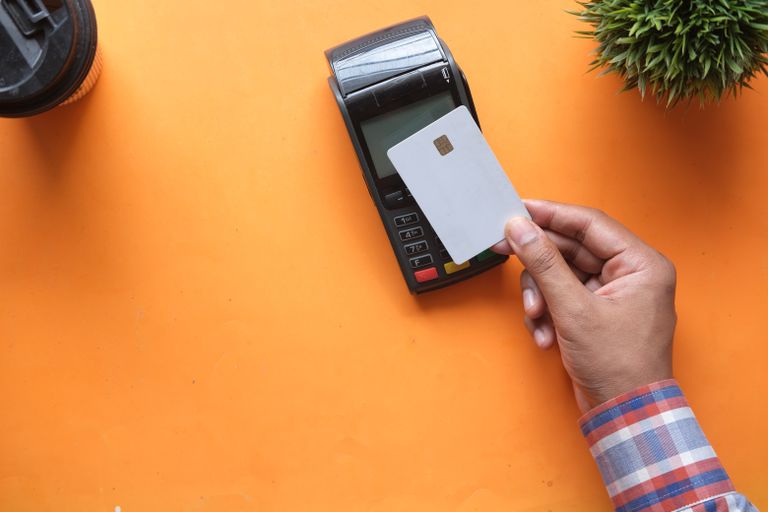
Mobile Payments
Mobile payment systems allow users to pay using mobile devices.
Technologies may include:
- NFC
- QR codes
- Banking applications
- Digital wallets
Digital Wallets
Digital wallets store payment credentials or other digital information securely within supported systems.
They can make payments faster and more convenient.
Mobile Technology in Business
Businesses use mobile technology for:
- Communication
- Sales
- Customer service
- Marketing
- Remote work
- Operations
- Payments
Mobile Workforce
Employees can use mobile devices to work outside traditional offices.
Mobile technology supports:
- Collaboration
- Document access
- Video meetings
- Project management
Remote Work
Mobile devices can complement laptops and desktop computers for remote work.
Workers can communicate and access important information while traveling.
Mobile CRM
Customer relationship management systems can be accessed through mobile applications.
Sales teams can update customer information while visiting clients.
Mobile Marketing
Businesses use mobile channels for:
- Notifications
- Advertising
- Social media
- Messaging
Mobile Advertising
Mobile advertising can use:
- Search advertising
- Social media advertising
- Display advertising
- Video advertising
Organizations should respect user privacy and applicable regulations.
Mobile Technology in Education
Mobile devices can support learning in many ways.
Students can access:
- Digital textbooks
- Educational videos
- Online courses
- Learning applications
- Research resources
Mobile Learning
Mobile learning allows students to learn outside traditional classrooms.
It can make education more flexible.
Educational Applications
Educational apps can provide:
- Language learning
- Mathematics practice
- Science lessons
- Flashcards
- Quizzes
Mobile Technology in Healthcare
Healthcare has adopted mobile technologies in several areas.
Examples include:
- Telemedicine
- Health applications
- Remote monitoring
- Digital records
- Medical communication
Telemedicine
Telemedicine allows healthcare professionals and patients to communicate remotely.
Mobile devices can support video consultations and messaging where appropriate.
Health and Fitness Applications
Mobile apps can track:
- Physical activity
- Exercise
- Sleep
- General wellness information
Such applications should not automatically be treated as substitutes for professional medical advice.
Wearable Technology
Wearable devices are an important part of mobile technology.
Examples include:
- Smart watches
- Fitness trackers
- Smart glasses
- Connected health devices
Smart Watches
Smart watches can provide:
- Notifications
- Activity tracking
- Communication
- Navigation
- App access
Mobile Technology in Transportation
Mobile technology has transformed transportation.
Applications include:
- Navigation
- Ride services
- Public transport information
- Vehicle connectivity
- Digital tickets
Ride-Sharing
Mobile applications connect passengers and drivers.
They can provide:
- Booking
- Location tracking
- Payment
- Trip information
Digital Tickets
Mobile devices can store digital tickets for:
- Public transportation
- Events
- Travel
- Entertainment
Mobile Technology in Travel
Travelers use mobile devices for:
- Booking
- Maps
- Translation
- Currency information
- Hotel services
- Boarding passes
Mobile Translation
Translation applications can help users communicate across languages.
Some systems can process text, speech, and images.
Mobile Technology in Agriculture
Farmers can use mobile devices for:
- Weather information
- Market information
- Farm management
- Equipment monitoring
- Agricultural advice
Mobile Technology in Retail
Retailers use mobile technology for:
- Online shopping
- Inventory management
- Customer loyalty
- Payments
- Product information
Mobile Shopping
Consumers can browse and purchase products using smartphones.
Mobile-friendly shopping experiences are now important for many businesses.
Mobile Technology in Logistics
Logistics companies use mobile devices for:
- Driver communication
- Package tracking
- Delivery management
- Navigation
Mobile Workforce Management
Field employees can receive assignments and update work status through mobile applications.
Mobile Technology in Manufacturing
Manufacturing companies can use mobile devices for:
- Equipment monitoring
- Maintenance
- Employee communication
- Inventory
- Production management
Mobile Technology and IoT
Mobile technology is closely connected to the Internet of Things.
IoT devices collect and exchange data.
Smartphones can serve as control interfaces for many connected devices.
Smart Homes
Mobile applications can control:
- Lights
- Thermostats
- Cameras
- Locks
- Appliances
Smart Cities
Mobile technology can support smart-city services.
Applications include:
- Transportation
- Parking
- Public information
- Environmental monitoring
Mobile Technology and Cloud Computing
Cloud computing provides remote storage and processing.
Mobile devices often rely on cloud infrastructure for:
- Data synchronization
- Backup
- Streaming
- Application services
Cloud Storage
Cloud storage allows users to access files across devices.
Examples include:
- Photos
- Documents
- Videos
Mobile Synchronization
Cloud services can synchronize data across phones, tablets, and computers.
Mobile Technology and Artificial Intelligence
Artificial intelligence is increasingly integrated into mobile devices.
AI can support:
- Voice assistants
- Image processing
- Translation
- Recommendations
- Security
- Predictive features
AI Cameras
AI-based image processing can identify scenes and optimize camera settings.
Voice Assistants
Voice assistants allow users to interact with devices through spoken commands.
They can perform tasks such as:
- Setting reminders
- Searching for information
- Sending messages
- Controlling compatible devices
On-Device AI
Some AI processing can occur directly on mobile devices.
Advantages can include:
- Lower latency
- Reduced data transfer
- Potential privacy improvements
Mobile Technology and Augmented Reality
Augmented Reality adds digital elements to real-world environments.
Mobile cameras and sensors allow smartphones to support AR applications.
Potential uses include:
- Education
- Gaming
- Shopping
- Navigation
- Design
Mobile Technology and Virtual Reality
Mobile devices can also support certain virtual-reality experiences.
Dedicated VR hardware is generally more suitable for advanced immersive applications.
Mobile Technology and Blockchain
Blockchain-based applications can be accessed through mobile devices.
Potential uses include:
- Digital identity
- Digital assets
- Payments
- Decentralized applications
Users should understand the security and financial risks associated with digital-asset services.
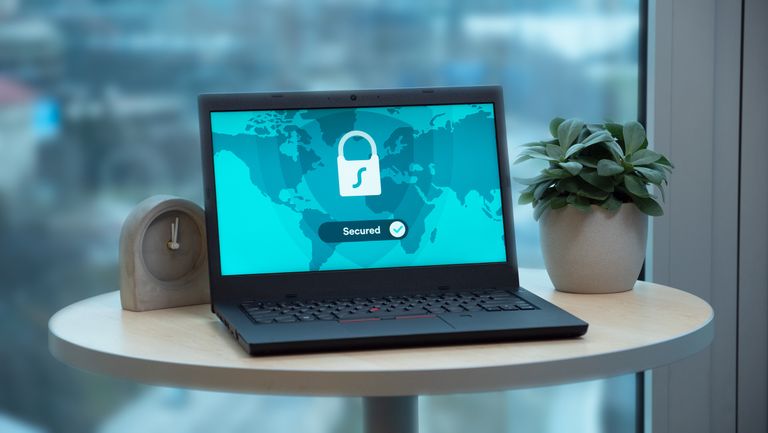
Mobile Cybersecurity
Security is one of the most important aspects of mobile technology.
Mobile devices contain valuable information, including:
- Messages
- Photos
- Contacts
- Accounts
- Documents
- Location information
Mobile Malware
Malicious applications can attempt to steal information or compromise devices.
Users should install applications from trusted sources and keep software updated.
Phishing
Mobile users can receive fraudulent:
- Messages
- Emails
- Websites
- Notifications
Users should verify unexpected requests for passwords or financial information.
Mobile Authentication
Security mechanisms include:
- Passwords
- PINs
- Fingerprints
- Facial recognition
- Multi-factor authentication
Biometric Security
Biometric authentication uses characteristics such as fingerprints or facial features.
It can make device access convenient while adding a layer of security.
Mobile Encryption
Encryption helps protect stored and transmitted information.
Modern mobile platforms use multiple encryption mechanisms.
Software Updates
Software updates can fix:
- Security vulnerabilities
- Bugs
- Compatibility problems
Keeping devices updated is an important security practice.
App Permissions
Applications may request access to:
- Camera
- Microphone
- Location
- Contacts
- Files
Users should review permissions and provide only appropriate access.
Mobile Privacy
Privacy is an important concern because mobile devices can collect extensive information.
Potentially sensitive data includes:
- Location
- Contacts
- Communications
- Browsing behavior
- Device identifiers
Location Privacy
Location services can be useful but may reveal information about a user’s movements.
Users should review location permissions and understand which applications have access.
Mobile Data Protection
Organizations should protect mobile data through:
- Encryption
- Access controls
- Authentication
- Device management
- Security policies
Mobile Device Management
Businesses can use Mobile Device Management, or MDM, to manage organizational devices.
MDM can support:
- Security policies
- Application management
- Remote configuration
- Device monitoring
Bring Your Own Device
Bring Your Own Device, or BYOD, allows employees to use personal devices for work.
BYOD can provide flexibility but creates security and privacy challenges.
Advantages of Mobile Technology
Mobile technology provides many benefits.
Convenience
Users can access services from almost anywhere.
Communication
People can communicate instantly across distances.
Productivity
Mobile applications support work and organization.
Education
Learning resources are accessible through mobile devices.
Entertainment
Users can access media and games anywhere.
Business Growth
Companies can reach customers through mobile channels.
Accessibility
Mobile devices can provide tools for users with different needs.
Disadvantages of Mobile Technology
Mobile technology also has disadvantages.
These include:
- Privacy concerns
- Cybersecurity threats
- Screen dependence
- Distraction
- Digital inequality
- Electronic waste
- Information overload
Digital Distraction
Constant notifications can interrupt concentration.
Users can reduce distractions by controlling notification settings and creating focused periods without unnecessary alerts.
Screen Time
Excessive screen use can interfere with sleep, study, work, or other activities.
Balanced technology use is important.
Social Effects
Mobile technology has changed social relationships.
People can remain connected over long distances, but excessive dependence on digital communication may reduce opportunities for face-to-face interaction.
Misinformation
Mobile devices make information easy to share.
This can also make false or misleading information spread rapidly.
Users should verify important information using reliable sources.
Digital Divide
Not everyone has equal access to modern mobile devices or high-quality internet.
Differences can exist because of:
- Cost
- Infrastructure
- Geography
- Digital skills
Electronic Waste
Mobile devices eventually become obsolete or stop functioning.
Improper disposal can contribute to electronic waste.
Recycling and responsible device disposal can reduce environmental impact.
Environmental Impact
Mobile technology requires:
- Raw materials
- Manufacturing
- Electricity
- Transportation
- Data infrastructure
Energy efficiency and responsible recycling are important.
Mobile Technology and Sustainability
Technology companies are exploring:
- More efficient processors
- Longer-lasting batteries
- Device repairability
- Recycling programs
- Energy-efficient networks
Mobile Technology in Developing Regions
Mobile technology can provide important opportunities in regions with limited traditional infrastructure.
Mobile networks can support:
- Banking
- Education
- Healthcare
- Business
- Communication
Mobile Financial Services
Mobile banking and payment systems can make financial services accessible to people who may not have traditional banking infrastructure nearby.
Mobile Technology and Employment
Mobile technology has created new types of work.
Examples include:
- App development
- Digital marketing
- Online sales
- Content creation
- Remote services
Mobile App Economy
The mobile application economy includes developers, designers, advertisers, cloud providers, payment services, and businesses.
Mobile Content Creation
Smartphones allow people to create:
- Videos
- Podcasts
- Photographs
- Articles
- Social media posts
This has lowered the technical barriers to content creation.
Mobile Journalism
Journalists can use smartphones to:
- Record interviews
- Capture photographs
- Record video
- Publish reports
Mobile Technology and Small Businesses
Small businesses can use mobile technology to:
- Promote products
- Communicate with customers
- Accept payments
- Manage orders
- Track operations
Mobile Customer Service
Businesses can provide support through:
- Messaging
- Mobile applications
- Chat systems
- Notifications
Push Notifications
Push notifications allow applications to send messages to users.
They can be useful for:
- Alerts
- Updates
- Reminders
Too many notifications can become distracting.
Mobile App Security
Developers should protect mobile applications against:
- Unauthorized access
- Data leaks
- Insecure storage
- Malicious input
Security should be included throughout the development process.
Secure Mobile Development
Developers can use:
- Encryption
- Secure authentication
- Input validation
- Secure APIs
- Regular testing
Mobile APIs
APIs allow applications to communicate with servers and other services.
Secure API design is essential for protecting mobile applications.
Mobile Backend Systems
Mobile applications often depend on backend infrastructure for:
- User accounts
- Data storage
- Authentication
- Notifications
- Payments
Cloud platforms are frequently used to support these services.
Mobile Technology and 5G
5G is an important part of modern mobile technology.
It provides improvements in:
- Speed
- Capacity
- Latency
- Device connectivity
5G can support advanced mobile applications such as cloud gaming, connected vehicles, and industrial IoT.
Mobile Technology and Edge Computing
Edge computing processes information closer to users or devices.
Mobile applications can benefit from reduced latency when suitable edge infrastructure is available.
Mobile Technology and Digital Twins
Digital twins represent physical objects or systems digitally.
Mobile devices can provide interfaces for viewing and interacting with digital twins.
Mobile Technology and Smart Vehicles
Modern vehicles increasingly use mobile connectivity.
Drivers can use mobile devices for:
- Navigation
- Vehicle monitoring
- Remote functions
- Entertainment
Connected Cars
Connected vehicles can communicate with cloud systems and other infrastructure.
Mobile networks can provide some of this connectivity.
Mobile Technology in Public Services
Governments can use mobile technology for:
- Digital services
- Public information
- Emergency alerts
- Transportation services
Mobile Government
Mobile government services can allow citizens to access information and services using smartphones.
Mobile Technology in Security
Organizations can use mobile devices for:
- Authentication
- Access control
- Monitoring
- Secure communication
Mobile Identity
Mobile devices can support digital identity systems.
Such systems require strong security and privacy controls.
Future of Mobile Technology
The future of mobile technology is likely to involve greater integration with AI, cloud computing, IoT, edge computing, wearable technology, and advanced wireless networks.
AI-Powered Smartphones
Future smartphones may perform more AI processing directly on the device.
Potential features include:
- More advanced assistants
- Real-time translation
- Intelligent photography
- Personalized recommendations
- Automated productivity tools
Foldable Devices
Foldable devices provide larger screens while maintaining portability.
This form factor may continue to evolve as hardware becomes more durable and practical.
Wearable Computing
Wearable devices may become increasingly capable.
Future wearables could provide:
- Health monitoring
- Communication
- Navigation
- AI assistance
- Environmental awareness
Smart Glasses
Smart glasses can combine cameras, displays, sensors, and wireless connectivity.
Potential applications include:
- Navigation
- Industrial assistance
- Education
- Communication
Mobile and Mixed Reality
Mobile technology may increasingly connect with augmented, virtual, and mixed-reality systems.
Mobile Robotics
Mobile devices may serve as controllers or interfaces for robots.
AI, wireless networking, and mobile computing can work together in robotics applications.
Mobile Technology and AI Agents
AI agents may eventually perform more complex tasks through mobile devices.
They could help users:
- Organize information
- Plan activities
- Search services
- Manage applications
Security and user control will be important.
Future Mobile Networks
Mobile networks will continue evolving beyond 5G.
Future generations may provide:
- Greater capacity
- Lower latency
- Improved energy efficiency
- Advanced sensing
- AI-based network management
Mobile Technology and Sustainability
Future devices may focus more strongly on:
- Longer product lifetimes
- Repairability
- Energy efficiency
- Recycling
- Reduced material waste
The Importance of Mobile Literacy
As mobile technology becomes more important, users need digital skills.
Mobile literacy includes understanding:
- Device settings
- Privacy controls
- Cybersecurity
- Online communication
- App permissions
- Digital payments
Mobile Technology Best Practices
Users can protect themselves by following basic practices.
These include:
- Keep devices updated.
- Use strong passwords.
- Enable multi-factor authentication where available.
- Download applications from trusted sources.
- Review application permissions.
- Avoid suspicious links.
- Back up important data.
- Use secure networks for sensitive activities.
- Protect the physical device.
- Review privacy settings regularly.
Choosing a Mobile Device
When selecting a mobile device, users can consider:
- Performance
- Battery life
- Camera quality
- Storage
- Display
- Software support
- Security
- Repairability
- Price
Mobile Technology for Students
Students can benefit from mobile technology for:
- Research
- Online courses
- Educational applications
- Communication
- Organization
Students should balance mobile use with focused learning and offline activities.
Mobile Technology for Professionals
Professionals can use smartphones and tablets for:
- Communication
- Scheduling
- Collaboration
- Document access
- Meetings
- Business applications
Mobile Technology for Entrepreneurs
Entrepreneurs can use mobile technology to build and operate businesses.
They can manage:
- Marketing
- Sales
- Customer service
- Payments
- Inventory
- Communication
Mobile Technology and Globalization
Mobile technology has reduced communication barriers.
Businesses and individuals can communicate across countries almost instantly.
This supports:
- International commerce
- Remote collaboration
- Global education
- International communities
Mobile Technology and Communication Costs
Digital communication can be less expensive than traditional international communication methods.
Internet-based messaging and calling services allow people to communicate globally when suitable connectivity is available.
Mobile Technology and Information Access
Smartphones have made information available almost continuously.
Users can access:
- News
- Maps
- Educational resources
- Research
- Public information
This has changed how people discover and consume information.
Responsible Mobile Technology Use
Responsible use involves balancing convenience with privacy, security, health, and social considerations.
Users should think about:
- What information they share
- Which applications they trust
- How much time they spend online
- How they communicate with others
Conclusion
Mobile technology has transformed modern society.
What began primarily as a method for wireless voice communication has evolved into a global ecosystem of portable computing, communication, entertainment, business, education, healthcare, finance, transportation, and connected devices.
Smartphones have become powerful computers capable of running sophisticated applications, processing images, communicating over high-speed networks, accessing cloud services, using artificial intelligence, and interacting with thousands of other digital systems.
The evolution of cellular networks has been central to this transformation. The transition from 1G to 2G, 3G, 4G, and 5G has increased communication capabilities and supported increasingly complex applications.
However, mobile technology is much broader than cellular networks. Wi-Fi, Bluetooth, NFC, GPS, cloud computing, artificial intelligence, IoT, edge computing, wearable devices, and mobile applications all contribute to the modern mobile ecosystem.
Mobile technology has created enormous benefits.
It provides convenient communication, improves access to information, supports education, enables mobile banking, helps businesses reach customers, provides entertainment, supports remote work, and connects people across geographical boundaries.
At the same time, mobile technology introduces important challenges.
Cybersecurity threats, privacy risks, misinformation, digital distraction, electronic waste, and unequal access must be addressed.
Security is particularly important because mobile devices contain increasingly valuable personal and professional information.
Strong passwords, software updates, multi-factor authentication, careful application permissions, and awareness of scams can help users protect themselves.
The future of mobile technology is likely to become even more closely connected with artificial intelligence, advanced wireless networks, edge computing, cloud platforms, wearable devices, robotics, and augmented reality.
Smartphones may become more intelligent and capable, while new forms of wearable and ambient computing may reduce dependence on traditional screens.
Mobile networks will continue to evolve as demand for connected devices and data increases.
Businesses will also continue exploring mobile technology as a platform for digital transformation. Mobile applications can improve customer experiences, support employees, automate processes, and create new business models.
For individuals, mobile technology will remain an important tool for communication, learning, work, entertainment, and everyday tasks.
The most successful future of mobile technology will depend on more than technological innovation. It will also require responsible design, strong cybersecurity, privacy protection, sustainable manufacturing, affordable access, and digital literacy.
Mobile technology has already changed how the world communicates and operates. Its next stage is likely to connect even more devices, services, and people while making computing increasingly available wherever users are.
The future of mobile technology is therefore not simply about creating faster phones. It is about creating a connected digital environment in which mobile devices, networks, cloud systems, artificial intelligence, sensors, and people can work together.
As these technologies continue to develop, mobile computing will remain one of the most important foundations of the digital world.