Smart Home Technology: A Complete Guide to Smart Homes, Devices, Benefits, Security, Applications, and the Future
Introduction
Smart home technology has become an important part of modern living. Homes are no longer limited to traditional electrical appliances and manually controlled systems. Today, homeowners can connect lights, thermostats, security cameras, door locks, televisions, speakers, appliances, sensors, and other devices to digital networks.
A smart home uses connected technologies to automate household tasks, provide information, improve convenience, and give residents greater control over their living environment.
Smart home technology combines several areas of technology, including the Internet of Things, wireless networking, cloud computing, artificial intelligence, mobile applications, sensors, automation, and voice interfaces.
A basic smart home may contain only a few connected lights or a smart speaker. A more advanced system can connect dozens of devices and automatically respond to schedules, environmental conditions, occupancy, or user commands.
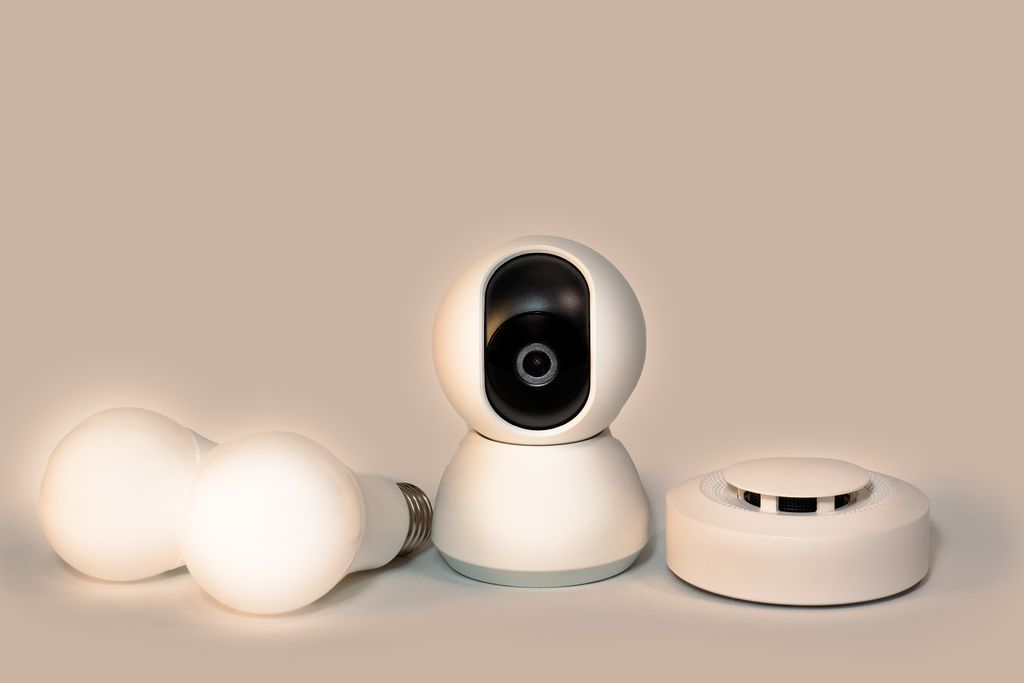
For example, a smart thermostat can adjust temperature according to a schedule. Smart lights can turn on or off automatically. Security cameras can send notifications when activity is detected. Smart locks can provide controlled access. Sensors can detect water leaks, smoke, unusual movement, or changes in temperature.
The growth of smart home technology is changing how people interact with their homes. Instead of manually controlling every device, residents can create automated routines that allow multiple systems to work together.
However, smart homes also introduce challenges. Connected devices can create privacy and cybersecurity risks if they are poorly secured. Compatibility between different manufacturers can also be difficult. Devices may require internet connectivity, software updates, subscriptions, or specialized applications.
This article provides a comprehensive overview of smart home technology, including its definition, history, components, devices, communication technologies, automation, artificial intelligence, security, privacy, energy management, accessibility, benefits, disadvantages, installation considerations, and future trends.
What Is Smart Home Technology?
Smart home technology refers to connected devices and systems that allow household functions to be monitored, controlled, or automated using digital technology.
A smart home can include:
- Smart lights
- Smart thermostats
- Smart locks
- Security cameras
- Smart doorbells
- Smart speakers
- Smart TVs
- Smart appliances
- Motion sensors
- Temperature sensors
- Smoke detectors
- Water-leak sensors
- Smart plugs
- Energy-monitoring systems
These devices can communicate with each other through wired or wireless networks.
How Does a Smart Home Work?
A smart home generally contains three major elements:
- Connected devices
- A communication network
- A control system
Connected devices collect information or perform actions.
The network allows devices to communicate.
The control system allows users or automated rules to manage devices.
For example, a motion sensor could detect movement and send information to a smart home hub. The system could then turn on a light.
Smart Home Ecosystem
A smart home ecosystem can contain several layers.
Devices
These are physical devices such as lights, cameras, sensors, and appliances.
Connectivity
Connectivity allows devices to communicate.
Examples include:
- Wi-Fi
- Bluetooth
- Zigbee
- Z-Wave
- Thread
- Ethernet
Control
Control can occur through:
- Smartphone applications
- Touchscreens
- Voice assistants
- Smart displays
- Automation rules
Cloud Services
Some smart home devices communicate with remote cloud services for storage, processing, remote access, or software updates.
Internet of Things and Smart Homes
The Internet of Things, or IoT, is closely related to smart home technology.
IoT refers to physical devices that can collect, process, and exchange data through networks.
Smart homes are one of the most visible consumer applications of IoT.
A smart home may contain many IoT devices working together.
Smart Home Hubs
A smart home hub can act as a central point for managing compatible devices.
Depending on the system, a hub may:
- Connect devices
- Process automation rules
- Provide a user interface
- Coordinate different communication protocols
Some modern smart home ecosystems reduce the need for a dedicated hub by allowing devices to communicate directly or through standard platforms.
Smart Home Controllers
Controllers allow users to operate connected devices.
Examples include:
- Smartphone apps
- Tablets
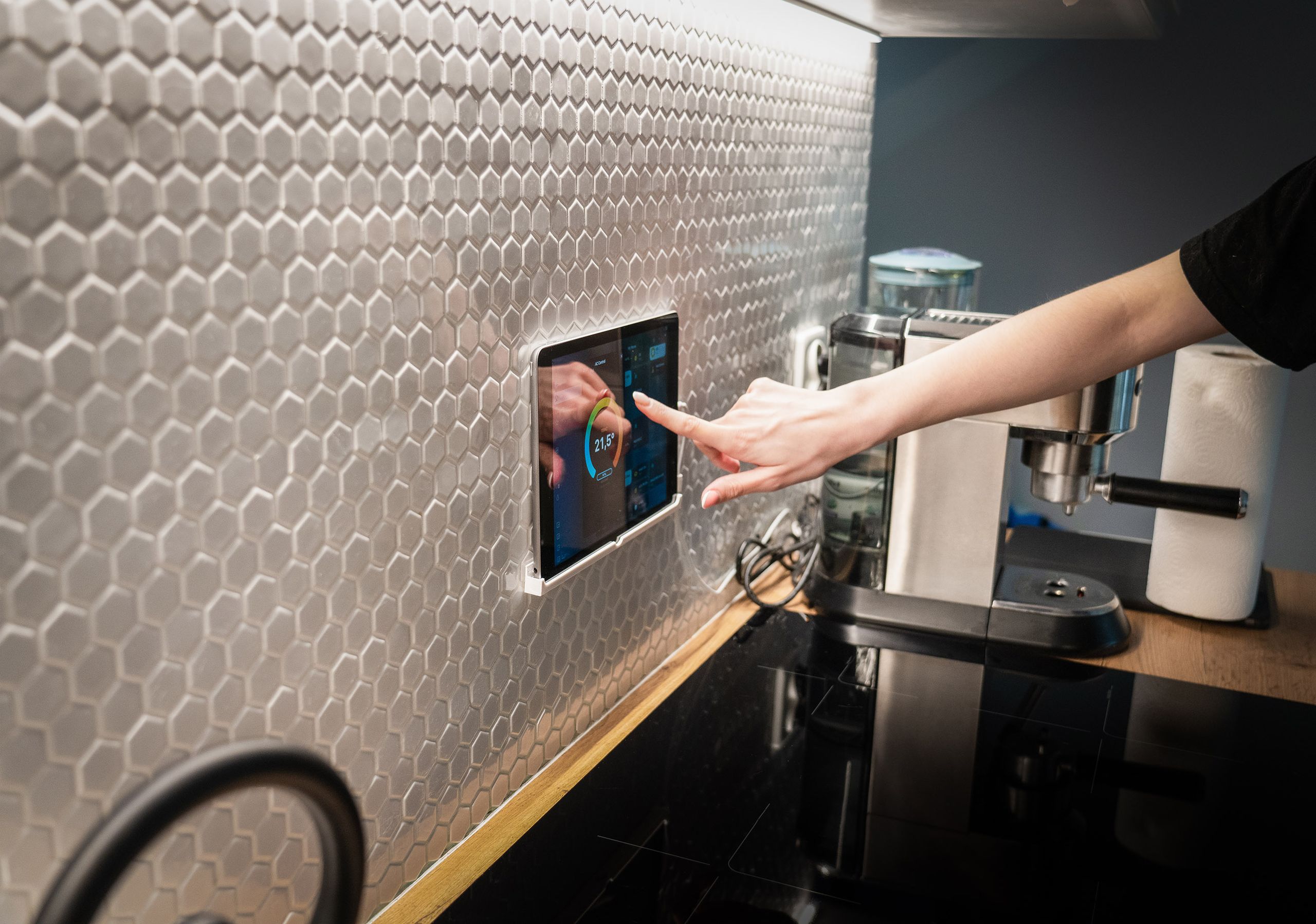
- Smart displays
- Wall-mounted panels
- Voice assistants
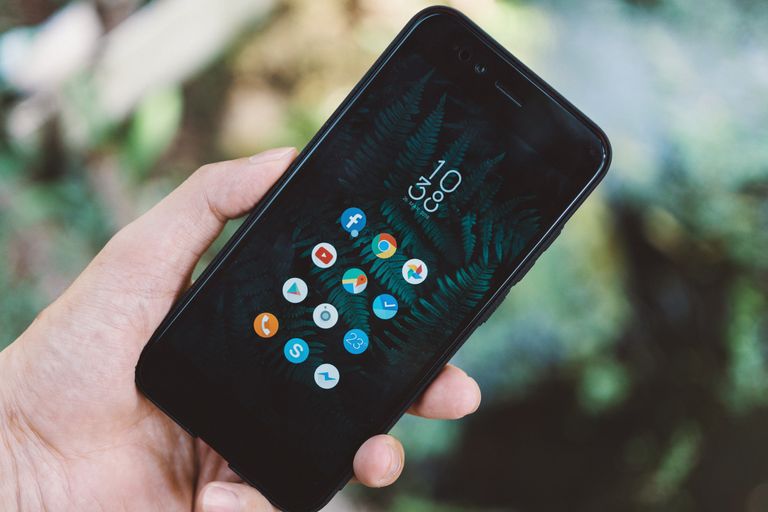
Smartphone Control
Smartphone applications are one of the most common methods of controlling smart homes.
Users can often:
- Turn lights on or off
- Change temperature settings
- View cameras
- Lock doors
- Control appliances
- Check sensors
Voice Control
Voice interfaces allow users to control compatible devices using spoken commands.
For example, users may ask a compatible assistant to turn lights on or adjust the thermostat.
Voice control can make smart home technology particularly convenient for hands-free interaction.
Smart Lighting
Smart lighting is one of the easiest ways to introduce automation into a home.
Smart bulbs and switches can provide:
- Remote control
- Scheduling
- Dimming
- Automation
- Scene control
Smart Bulbs
Smart bulbs can connect to a home network and be controlled through an application or automation system.
Some models also support adjustable brightness and color.
Smart Switches
Smart switches replace traditional wall switches.
They can control conventional lights while adding features such as:
- Remote control
- Scheduling
- Automation
Smart switches can be useful when homeowners want to control existing light fixtures.
Lighting Automation
Lighting can be programmed to respond to:
- Time
- Motion
- Occupancy
- Sunrise
- Sunset
For example, hallway lights could turn on when movement is detected at night.
Smart Thermostats
Smart thermostats control heating and cooling systems.
They can provide:
- Scheduling
- Remote control
- Temperature monitoring
- Energy-management features
Temperature Automation
A smart thermostat can automatically adjust settings according to schedules or sensor information.
This can improve comfort and potentially reduce unnecessary energy consumption.
Smart Sensors
Sensors are important components of smart homes.
Examples include:
- Motion sensors
- Door sensors
- Window sensors
- Temperature sensors
- Humidity sensors
- Light sensors
- Water-leak sensors
Motion Sensors
Motion sensors detect movement.
They can be used for:
- Lighting automation
- Security notifications
- Occupancy detection
Door and Window Sensors
These sensors can detect whether doors or windows are open or closed.
They can be integrated into security and automation systems.
Water-Leak Sensors
Water sensors can detect moisture in areas where leaks may cause damage.
They may be placed near:
- Washing machines
- Water heaters
- Sinks
- Pipes
Early notification can help residents respond to potential problems.
Smart Security Cameras
Smart cameras provide digital video monitoring.
Depending on the model, they may support:
- Motion detection
- Mobile notifications
- Night vision
- Two-way communication
- Cloud storage
- Local storage
Smart Doorbells
Smart doorbells can combine a doorbell with a camera and communication system.
They may allow residents to see visitors and receive notifications through a connected device.
Smart Locks
Smart locks provide electronic access control.
Depending on the system, users may unlock doors using:
- Mobile applications
- Keypads
- Physical keys
- Access codes
- Other supported methods
Smart Home Access
Smart locks can support temporary access for guests, family members, or service providers.
However, access systems should be configured carefully to protect household security.
Smart Alarms
Smart alarm systems can combine:
- Motion sensors
- Door sensors
- Cameras
- Sirens
- Mobile notifications
A connected alarm system can provide information to residents remotely.
Smart Smoke Detectors
Connected smoke detectors can provide alerts and notifications.
Some systems can also communicate with other smart devices.
Smoke and carbon-monoxide safety devices should always meet applicable safety standards.
Smart Plugs
Smart plugs allow traditional appliances to be controlled remotely.
They can support:
- Scheduling
- Remote switching
- Energy monitoring on some models
Smart Appliances
Modern appliances may include connectivity features.
Examples include:
- Refrigerators
- Washing machines
- Ovens
- Dishwashers
- Coffee machines
Smart Refrigerators
Connected refrigerators may provide features such as:
- Temperature monitoring
- Notifications
- Inventory assistance
- Energy information
Smart Washing Machines
Smart washing machines can provide:
- Cycle notifications
- Remote monitoring
- Scheduling
- Maintenance alerts
Smart Ovens
Smart ovens may allow users to:
- Monitor cooking
- Adjust settings
- Receive notifications
Safety should remain the primary consideration when controlling appliances remotely.
Smart TVs
Smart TVs connect to networks and provide access to digital services.
They can support:
- Streaming
- Applications
- Voice control
- Screen sharing
Smart Speakers
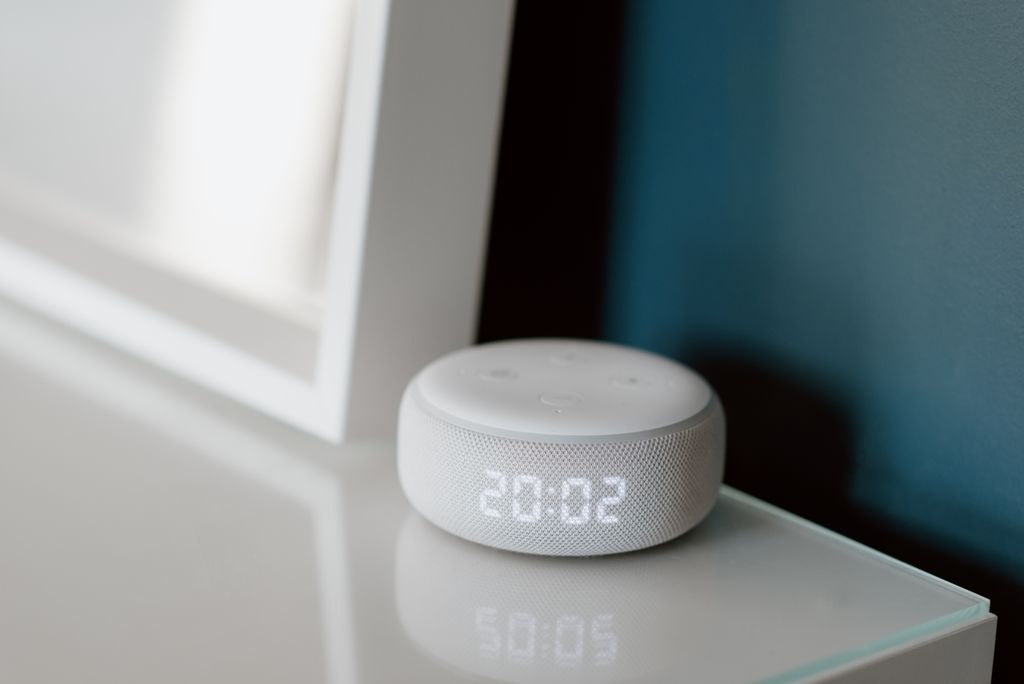
Smart speakers combine audio systems with voice interfaces.
They can control compatible devices and provide information or entertainment.
Smart Displays
Smart displays combine a screen with voice and smart home functions.
They can display:
- Cameras
- Weather
- Calendars
- Timers
- Music controls
- Smart home devices
Smart Home Entertainment
Smart home systems can connect:
- TVs
- Speakers
- Streaming devices
- Gaming systems
- Lighting
Users can create entertainment scenes that coordinate multiple devices.
Home Automation
Automation is one of the most important features of smart homes.
Instead of manually controlling devices, homeowners can create rules.
For example:
“If motion is detected after sunset, turn on the hallway light.”
Smart Home Routines
A routine can activate multiple actions at once.
A “good morning” routine might:
- Turn on selected lights
- Adjust temperature
- Provide information
- Start compatible appliances
Scenes
Scenes are predefined groups of device settings.
Examples include:
- Movie mode
- Sleep mode
- Away mode
- Morning mode
Geofencing
Geofencing uses a device’s location to trigger automation.
For example, a system could activate certain settings when residents leave an area.
Privacy implications should be considered because location-based features can involve location data.
Time-Based Automation
Automation can be based on schedules.
Examples include:
- Lights turning on at sunset
- Heating changing before waking
- Appliances operating at selected times
Occupancy-Based Automation
Sensors can detect whether spaces are occupied.
Systems can then adjust:
- Lighting
- Temperature
- Security settings
Smart Home Networking
Networking is essential for connected homes.
Common technologies include:
- Wi-Fi
- Ethernet
- Bluetooth
- Zigbee
- Z-Wave
- Thread
Wi-Fi Smart Devices
Wi-Fi is widely used because many homes already have Wi-Fi networks.
It can provide relatively high bandwidth and direct internet connectivity.
Bluetooth
Bluetooth is useful for short-range communication.
It is commonly used during device setup and for certain smart accessories.
Zigbee
Zigbee is a low-power wireless communication technology used by many smart home devices.
It can support mesh networking.
Z-Wave
Z-Wave is another wireless technology designed for home automation.
It is commonly used for sensors, switches, locks, and other smart home devices.
Thread
Thread is a low-power mesh networking technology designed for connected devices.
It can support reliable communication among smart home devices.
Matter
Matter is an industry-backed smart home standard designed to improve interoperability between compatible devices and ecosystems.
The goal is to make it easier for consumers to use devices from different manufacturers together.
Smart Home Interoperability
Interoperability means that devices from different manufacturers can work together.
Historically, compatibility has been a major smart home challenge.
Different companies have used different applications, protocols, and ecosystems.
Standards such as Matter are intended to improve compatibility.
Smart Home Cloud Computing
Cloud computing is used by many smart home systems.
Cloud services can provide:
- Remote access
- Data storage
- Device synchronization
- AI processing
- Software updates
Local Processing
Some smart home systems can process information locally.
Local processing can reduce dependence on internet connectivity and may reduce the amount of information sent to remote servers.
Edge Computing in Smart Homes
Edge computing processes information close to where it is generated.
In a smart home, some processing may occur directly on devices or a local hub.
This can reduce latency.
Artificial Intelligence in Smart Homes
Artificial intelligence can make smart home systems more adaptive.
AI can support:
- Voice recognition
- Image analysis
- Energy prediction
- Anomaly detection
- Personalized automation
AI Security Cameras
AI-enabled cameras may classify different types of activity.
Depending on the system, they may distinguish between people, animals, vehicles, or other motion categories.
Users should understand how recordings and analyzed data are stored.
AI Voice Assistants
Voice assistants can understand natural-language commands.
This makes smart home control more accessible.
Predictive Home Automation
AI systems may analyze patterns to predict user preferences.
For example, a system might learn typical temperature or lighting preferences.
Automation should still allow users to override unwanted behavior.
Smart Energy Management
Smart home technology can help monitor and manage energy use.
Devices may provide information about:
- Electricity consumption
- Heating and cooling
- Appliance usage
Smart Meters
Smart meters provide digital measurements of energy consumption.
They can help utilities and consumers understand usage patterns.
Energy Monitoring
Smart plugs and energy-monitoring systems can show how much electricity specific appliances use.
This information can help users identify unnecessary consumption.
Solar Energy and Smart Homes
Smart home systems can integrate with solar energy systems.
Automation can potentially coordinate household electricity use with energy generation.
Smart Batteries
Home battery systems can store electricity for later use.
Smart controls can optimize charging and discharging according to system conditions and user preferences.
Electric Vehicle Integration
Electric vehicles can become part of a connected home ecosystem.
Potential integrations include:
- Charging schedules
- Energy monitoring
- Renewable-energy coordination
Advanced vehicle-to-home technologies may allow compatible vehicles to supply energy to a home under appropriate conditions.
Smart Home Security
Security is a major reason people adopt smart home technology.
Connected cameras, sensors, locks, and alarms can provide additional visibility and control.
However, connecting devices to the internet introduces cybersecurity risks.
Smart Home Cybersecurity
Every connected device can become part of a digital attack surface.
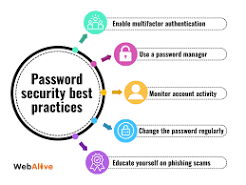
Security practices include:
- Strong passwords
- Multi-factor authentication
- Software updates
- Secure Wi-Fi
- Network segmentation
- Trusted manufacturers
Default Passwords
Users should change default passwords when devices provide them.
Unique passwords reduce the risk of attacks caused by reused credentials.
Firmware Updates
Smart home devices should be updated regularly when security updates are available.
Manufacturers may release firmware updates to fix vulnerabilities.
Network Segmentation
Advanced users can separate smart devices from computers and sensitive systems using network segmentation.
This can reduce the impact if one device becomes compromised.
Guest Networks
A separate guest network can help isolate visitors’ devices from other systems.
Depending on the router and smart home architecture, additional network segmentation may be appropriate for IoT devices.
Smart Home Privacy
Smart homes can collect significant amounts of information.
Examples include:
- Camera recordings
- Voice recordings
- Movement patterns
- Temperature information
- Device usage
- Location data
Data Collection
Users should understand what data a device collects and where it is stored.
Privacy policies and device settings can provide important information.
Camera Privacy
Cameras should be placed carefully.
Users should avoid recording areas where privacy is expected and should follow applicable laws and regulations.
Voice Privacy
Voice-enabled devices may process audio to respond to commands.
Users should understand how recordings are handled and what privacy controls are available.
Smart Home Data Storage
Data may be stored:
- Locally
- On a home hub
- In cloud services
- On user-controlled storage
Each approach has different security and privacy considerations.
Smart Home Reliability
A smart home should remain useful even when technology fails.
Internet outages, power failures, software errors, and device failures can occur.
Important systems should have appropriate fallback methods.
Internet Dependency
Some cloud-based smart home features may stop working if internet connectivity is lost.
Local control can reduce this dependency for certain functions.
Power Failures
Smart devices generally require electricity.
Critical safety and security equipment should have appropriate backup solutions where needed.
Smart Home Benefits
Smart home technology offers several advantages.
Convenience
Users can control devices from a central application or through automation.
Automation
Routine household tasks can happen automatically.
Energy Management
Smart systems can provide better visibility into energy use.
Security
Connected sensors and cameras can provide additional information.
Accessibility
Automation can help people who have difficulty operating traditional controls.
Remote Monitoring
Users can check selected devices while away from home.
Smart Home Accessibility
Smart technology can support people with different physical abilities.
Voice control, automated lighting, remote controls, and sensors can reduce the need for manual interaction.
Smart Homes for Older Adults
Smart home technology can provide additional convenience and safety features for older adults.
Examples include:
- Automated lighting
- Activity alerts
- Door sensors
- Emergency notifications
Such systems should be designed with privacy and independence in mind.
Smart Homes for Families
Families can use smart technology for:
- Schedules
- Security
- Entertainment
- Energy management
Parents should also consider privacy and appropriate device access.
Smart Homes for Renters
Renters can use portable smart devices such as:
- Smart bulbs
- Smart plugs
- Certain sensors
- Portable cameras
They should check rental agreements before making permanent modifications.
Smart Home Disadvantages
Smart homes also have limitations.
Cost
Advanced systems can become expensive.
Complexity
Managing many devices can be complicated.
Compatibility
Devices may not always work together.
Privacy
Connected devices can collect personal information.
Cybersecurity
Poorly secured devices can introduce security risks.
Internet Dependence
Some features require cloud connectivity.
Maintenance
Devices need updates and occasional troubleshooting.
Smart Home Installation
Installing a smart home can begin with a small project.
A practical approach is to start with one category.
For example:
- Smart lighting
- Smart thermostat
- Security sensors
- Smart locks
- Automation
Users can expand gradually.
Planning a Smart Home
Before buying devices, consider:
- Wi-Fi coverage
- Compatibility
- Security
- Privacy
- Power requirements
- Device support lifespan
- Cost
Choosing a Smart Home Ecosystem
A smart home ecosystem determines how devices interact.
Users should consider whether their chosen platform supports the devices they intend to purchase.
Avoiding Vendor Lock-In
Vendor lock-in occurs when users become heavily dependent on one company’s ecosystem.
Standards and interoperability can reduce this problem.
Smart Home Cost
The cost of a smart home varies widely.
A basic setup can be relatively inexpensive.
A fully integrated system involving security, HVAC, lighting, appliances, networking, and professional installation can cost considerably more.
Professional Installation
Professional installation may be useful for:
- Complex security systems
- Electrical modifications
- HVAC systems
- Large automation projects
Electrical work should be performed by qualified professionals where required.
Smart Home Maintenance
Maintenance includes:
- Software updates
- Battery replacement
- Network troubleshooting
- Device replacement
- Security reviews
Battery-Powered Sensors
Many smart sensors use batteries.
Users should check battery status regularly.
Smart Home Troubleshooting
Common problems include:
- Lost Wi-Fi connection
- Device pairing failures
- Outdated firmware
- Application errors
- Network congestion
Restarting devices and checking updates can resolve some basic issues.
Smart Home Network Requirements
A reliable network is important.
Consider:
- Router quality
- Wi-Fi coverage
- Number of connected devices
- Internet speed
- Network security
Mesh Wi-Fi
Mesh Wi-Fi systems use multiple nodes to improve coverage across larger homes.
They can be useful where a single router cannot provide reliable coverage.
Smart Home and 5G
5G can support connected devices and provide high-speed wireless connectivity.
However, most household IoT devices still rely heavily on local Wi-Fi and other smart home networking technologies.
Smart Home and Edge AI
AI processing at the edge can allow smart home devices to make decisions locally.
This can improve response times and potentially reduce cloud data transmission.
Smart Home and Robotics
Robotic vacuum cleaners are an example of consumer home robotics.
Future smart homes may integrate more robotic systems for:
- Cleaning
- Monitoring
- Assistance
Robotic Vacuum Cleaners
Robot vacuums use sensors and software to navigate indoor environments.
Some models can create maps and schedule cleaning.
Smart Home and Health Technology
Connected home devices can support wellness and healthcare-related applications.
Examples include:
- Environmental sensors
- Medication reminders
- Activity monitoring
Health-related technology should be used responsibly and should not replace professional healthcare when medical advice is needed.
Smart Home and Indoor Air Quality
Sensors can monitor environmental conditions such as:
- Temperature
- Humidity
- Carbon dioxide
- Particulate matter
This information can help residents understand indoor conditions.
Smart Home and Water Management
Smart water systems can monitor:
- Leaks
- Water usage
- Irrigation
Automated systems can help reduce unnecessary water consumption.
Smart Irrigation
Smart irrigation systems can use schedules and environmental information to control watering.
This may improve water efficiency compared with fixed schedules.
Smart Gardens
Connected garden devices can monitor environmental conditions and automate selected tasks.
Smart Home and Home Offices
Smart home technology can improve home-office environments.
Examples include:
- Automated lighting
- Temperature control
- Smart plugs
- Noise management
- Connected displays
Smart Home and Entertainment
Users can create entertainment scenes that coordinate lighting, audio, and displays.
For example, a movie scene might dim lights and activate a television and sound system.
Smart Home and Cooking
Connected kitchen appliances can provide information about cooking and maintenance.
However, remotely controlling heating appliances should be approached cautiously.
Smart Home and Safety
Smart home technology can support safety through:
- Smoke detection
- Water monitoring
- Security sensors
- Temperature alerts
Safety devices should meet appropriate standards and should not depend solely on smart features.
Smart Home Standards
Standards are important because they allow devices and systems to communicate more effectively.
Interoperability can make smart homes easier to build and maintain.
The Future of Smart Homes
The future of smart home technology is likely to involve greater automation, improved interoperability, artificial intelligence, energy optimization, and local processing.
AI-Powered Homes
AI may enable homes to understand patterns and make more intelligent recommendations.
Future systems could coordinate:
- Temperature
- Lighting
- Energy
- Security
- Entertainment
Ambient Computing
Ambient computing refers to computing that becomes integrated into the environment rather than requiring constant direct interaction.
Smart homes are a major example of this concept.
More Natural Interfaces
Future smart homes may use:
- Voice
- Gesture
- Presence detection
- Context-aware interfaces
This could reduce the need for traditional switches and applications.
Predictive Maintenance
AI systems may identify unusual behavior in appliances before failures occur.
For example, abnormal energy consumption or unusual operating patterns could indicate potential maintenance needs.
Energy-Aware Homes
Future homes may coordinate:
- Solar panels
- Batteries
- Electric vehicles
- Appliances
- Heating and cooling
This could improve energy efficiency.
Self-Optimizing Homes
A future smart home may automatically optimize environmental settings based on occupancy, weather, energy prices, and user preferences.
Users should still have clear controls and the ability to override automation.
More Secure Smart Homes
Security is likely to become more important as the number of connected devices increases.
Future systems may use:
- Stronger device authentication
- Secure hardware
- Local AI
- Better encryption
- Automated security updates
Privacy-Centered Smart Homes
Consumers may increasingly demand systems that minimize data collection.
Local processing and user-controlled storage can support privacy-focused architectures.
Smart Home Sustainability
Smart technology can contribute to sustainability when it reduces unnecessary resource consumption.
However, smart devices themselves require materials, energy, manufacturing, and eventual disposal.
Sustainable smart home design should consider the complete lifecycle of devices.
Repairability
Devices that can be repaired instead of replaced may reduce electronic waste.
Long software-support periods can also increase product lifespan.
Responsible Smart Home Design
A successful smart home should not simply contain the largest possible number of connected devices.
Good design focuses on meaningful improvements.
A device is useful when it solves a real problem, is reliable, secure, maintainable, and easy to use.
Smart Home Best Practices
Users can follow several practices to build safer and more reliable smart homes:
- Use strong, unique passwords.
- Enable multi-factor authentication where available.
- Keep firmware and applications updated.
- Secure the home Wi-Fi network.
- Review device permissions.
- Understand data-collection practices.
- Use trusted manufacturers.
- Replace unsupported devices.
- Consider local-control options.
- Keep manual alternatives for critical systems.
Smart Home Technology in the Future of Housing
Smart technology is likely to become increasingly integrated into new homes.
Future buildings may be designed with:
- Connected electrical systems
- Advanced networking
- Energy monitoring
- Smart security
- Automated climate control
This could make smart technology part of the building infrastructure rather than an optional collection of gadgets.
Smart Home Technology and Smart Cities
Smart homes can become part of larger smart-city ecosystems.
Homes may interact with:
- Energy networks
- Transportation systems
- Public services
- Environmental monitoring
This creates opportunities but also increases the importance of privacy and cybersecurity.
Conclusion
Smart home technology has transformed the traditional concept of a home into a connected digital environment.
From smart lights and thermostats to security cameras, locks, sensors, appliances, speakers, and energy-management systems, modern connected devices can automate many household tasks.
The foundation of a smart home is connectivity. Wi-Fi, Bluetooth, Zigbee, Z-Wave, Thread, Ethernet, and emerging interoperability standards allow devices to communicate.
Cloud computing provides remote access and advanced services, while local processing and edge computing can reduce latency and improve privacy for certain applications.
Artificial intelligence is making smart homes more adaptive. AI can assist with voice recognition, image analysis, energy management, anomaly detection, and personalized automation.
Smart home technology can provide significant benefits.
It can improve convenience, support accessibility, provide additional security information, help users understand energy consumption, and allow residents to monitor their homes remotely.
However, connected homes also create important risks.
Privacy and cybersecurity should be considered before installing internet-connected cameras, microphones, locks, sensors, and appliances.
Users should protect their networks, use strong passwords, enable multi-factor authentication, install security updates, review permissions, and understand how their data is collected and stored.
Compatibility is another important consideration.
Historically, smart home products from different manufacturers have not always worked together easily. Industry standards such as Matter are designed to improve interoperability and simplify the consumer experience.
The future of smart home technology will likely be more intelligent and more automated.
Artificial intelligence may allow systems to understand household patterns and respond to changing conditions. Energy-management systems may coordinate solar generation, batteries, appliances, heating and cooling, and electric vehicles. Edge computing may allow more processing to happen locally. Improved standards may make devices from different manufacturers easier to integrate.
At the same time, future smart homes should prioritize privacy, security, reliability, sustainability, and user control.
The goal of smart home technology should not be to automate everything simply because automation is possible. The goal should be to create homes that are safer, more convenient, more efficient, accessible, and responsive to the needs of their residents.
Smart home technology represents an important part of the broader Internet of Things and connected-world ecosystem. As sensors, networks, artificial intelligence, cloud computing, and automation continue to develop, homes will become increasingly connected to the digital environment around them.
The smart home of the future will therefore be more than a collection of smart devices. It will be an integrated environment where technology works quietly in the background, helping people manage their homes while giving them control over how their information, devices, and living spaces are used.