AI Tools for Small Businesses: A Complete Guide
Introduction
Artificial intelligence (AI) is changing the way small businesses work. In the past, many small companies had to depend on large teams for marketing, customer service, accounting, research, content creation, data analysis, and administrative work. Today, AI tools can help small business owners perform many of these tasks faster and more efficiently.AI Tools for Small Businesses
AI does not necessarily mean replacing employees. For many small businesses, its greatest value is helping a small team accomplish more. Recent surveys show that AI adoption among small businesses has been increasing rapidly. For example, the U.S. Chamber of Commerce reported in 2025 that 58% of U.S. small businesses surveyed were using generative AI, up from 40% in 2024 and 23% in 2023.AI Tools for Small Businesses
AI can support businesses in areas such as marketing, customer communication, writing, graphic design, research, sales, finance, operations, and programming. The best tool depends on the company’s size, industry, budget, and specific problems.
This article explains the major categories of AI tools for small businesses, popular examples, their benefits, limitations, and how a small business can begin using AI responsibly.
What Are AI Tools for Small Businesses?
AI tools are software applications that use artificial intelligence to perform or assist with tasks that traditionally require human judgment, language skills, pattern recognition, or data processing.AI Tools for Small Businesses
For a small business, an AI tool might help write an email, analyze sales information, create an advertisement, answer common customer questions, summarize documents, generate images, organize information, or assist with computer programming.
The important point is that AI should be connected to a real business objective. A company does not need dozens of AI applications simply because they are available. Instead, it should identify a problem and select a tool that can solve it.
A recent 2026 report from the San Francisco Federal Reserve found that small businesses were using or planning to use AI across areas including productivity, marketing, SEO, written communication, visual design, customer service, analytics, forecasting, and programming.
1. ChatGPT – General Business Assistant
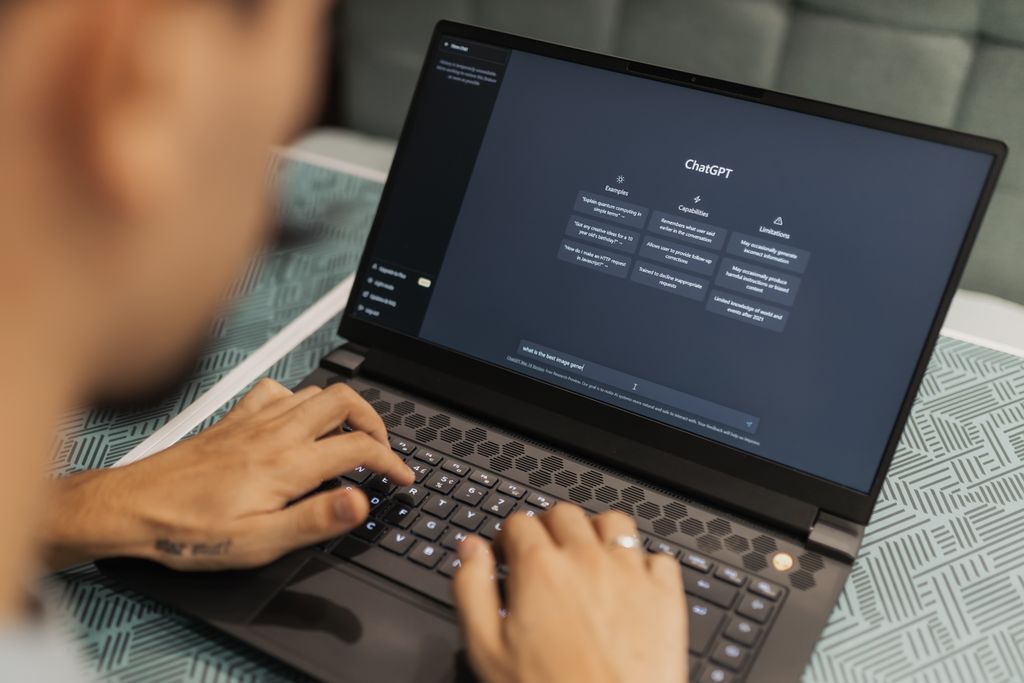
ChatGPT can be useful for many small-business tasks. A business owner can use it to brainstorm ideas, draft customer communications, analyze information, create content outlines, develop business plans, explain technical concepts, and assist with research.AI Tools for Small Businesses
For example, a small clothing store could use an AI assistant to brainstorm social-media content ideas, prepare product descriptions, organize frequently asked questions, and create an outline for an email campaign.
ChatGPT is particularly useful because it can support multiple business functions rather than being limited to one task.AI Tools for Small Businesses
Possible uses include:
- Business brainstorming
- Customer communication
- Marketing ideas
- Content planning
- Data analysis
- Research assistance
- Internal documentation
- Meeting summaries
- Business strategy
OpenAI launched a dedicated small-business program in 2026 focused on helping entrepreneurs use ChatGPT in their everyday business operations and providing training for small businesses.
2. Claude – Writing, Analysis, and Business Knowledge
Claude is another general-purpose AI assistant that can help small businesses with writing, analysis, documents, brainstorming, and knowledge work.AI Tools for Small Businesses
It can be useful when a business has long documents, policies, proposals, research material, or internal information that needs to be organized and understood.
Anthropic introduced Claude for Small Business in 2026 with connectors and workflows designed to work with services used by small businesses, including QuickBooks, PayPal, HubSpot, Canva, DocuSign, Google Workspace, and Microsoft 365.
Possible applications include:
- Business documentation
- Proposal development
- Research
- Writing assistance
- Document analysis
- Customer communication
- Internal knowledge management
As with any AI system, important business information should be reviewed by a human before it is used.AI Tools for Small Businesses
3. Canva AI – Marketing and Graphic Design
Visual content is important for modern businesses. Social-media posts, advertisements, presentations, brochures, product graphics, posters, and promotional materials can all require design work.AI Tools for Small Businesses
Canva’s AI-powered features can help small businesses create and modify visual content without requiring advanced graphic-design skills.
A small restaurant, for example, could create promotional graphics for a new menu item. A local service business could create social-media posts explaining its services.AI Tools for Small Businesses
Canva can support:
- Social-media graphics
- Advertisements
- Presentations
- Posters
- Product visuals
- Marketing materials
- Infographics
- Brand content
AI-generated designs should still be reviewed carefully for accuracy, branding, spelling, and visual quality.AI Tools for Small Businesses
4. Grammarly – Business Writing
Professional communication matters even for very small companies. Emails, proposals, website content, advertisements, customer responses, and internal documents need to be clear and professional.AI Tools for Small Businesses
Grammarly can help identify grammar, spelling, punctuation, clarity, and style problems.
For example, a business owner could write a customer email and use a writing assistant to identify unclear sentences before sending it.
This can be especially helpful for businesses that communicate with customers in English but do not have a dedicated editor.
5. HubSpot AI – Marketing and Customer Management
Customer relationship management is another area where AI can help. Platforms such as HubSpot combine customer information, marketing, sales, and service functions.AI Tools for Small BusinessesAI Tools for Small Businesses
AI can assist with activities such as:
- Customer communication
- Marketing content
- Lead management
- Sales support
- Customer-service workflows
- Data organization
For a growing business, organizing customer information becomes increasingly important. AI can help employees spend less time on repetitive administrative work and more time interacting with customers.
6. QuickBooks AI – Accounting and Financial Administration
Financial administration can consume significant amounts of time for small businesses. Accounting platforms with AI capabilities can help organize financial information, identify patterns, automate parts of bookkeeping workflows, and support financial management.
QuickBooks is one example of a platform incorporating AI capabilities into small-business financial workflows.
AI should not be treated as an unquestionable financial authority. Business owners should review financial information and consult qualified professionals when decisions involve significant financial, tax, or legal consequences.AI Tools for Small Businesses
This is particularly important because recent research has highlighted concerns about businesses using AI for sensitive financial operations without fully understanding how those systems work.
7. AI Customer-Service Tools
Customer service is one of the most practical areas for business AI.
AI chatbots can answer common questions such as:AI Tools for Small Businesses
- What are your business hours?
- Where are you located?
- What services do you provide?
- How can I place an order?
- What is your return policy?
- How can I contact support?
This can allow employees to focus on more complicated customer problems.
However, businesses should provide a clear way for customers to reach a human when necessary. An AI system should not make it difficult for customers to receive human assistance.
8. AI Tools for Email and Communication
Small-business owners often spend a large amount of time writing emails and responding to messages.
AI can help create first drafts, summarize long conversations, organize information, and improve clarity.AI Tools for Small Businesses
For example, instead of spending 20 minutes creating a basic customer-response email, an owner can provide the important facts to an AI tool and then review the suggested response.
The human should remain responsible for the final message, especially when it contains pricing, commitments, refunds, contracts, or sensitive information.
9. AI Tools for Marketing
Marketing is one of the biggest opportunities for AI-powered small-business tools.
AI can help businesses brainstorm:AI Tools for Small Businesses
- Blog topics
- Social-media ideas
- Advertising concepts
- Email campaigns
- Product descriptions
- SEO topics
- Video ideas
- Customer personas
Small companies often have limited marketing budgets, so AI can help them produce more ideas and organize campaigns more efficiently.
However, AI-generated marketing content should not simply be published without review. Businesses need original ideas, accurate information, consistent branding, and genuine understanding of their customers.AI Tools for Small Businesses
10. AI Tools for SEO
Search engine optimization can be complicated for small businesses. AI tools can assist with keyword research, content planning, website analysis, content outlines, and SEO recommendations.AI Tools for Small Businesses
AI can help a business identify questions customers may ask and develop useful content around those questions.
For example, a local repair business could create educational articles answering common questions about maintaining household equipment.
The goal should be to create genuinely useful content rather than producing large quantities of low-quality AI-generated pages.
11. AI Tools for Social Media
Social media is important for many small businesses, but maintaining a consistent publishing schedule can be difficult.AI Tools for Small Businesses
AI can help generate ideas, write initial captions, create content calendars, analyze performance, and adapt content for different platforms.
A small business might use AI to develop a monthly content plan containing:
- Educational posts
- Product information
- Customer questions
- Behind-the-scenes content
- Seasonal promotions
- Business announcements
The business should still add its own voice and real experiences because authentic content is usually more valuable than generic automated material.AI Tools for Small Businesses
12. AI Video Tools

Video has become an important part of online marketing. AI-powered video tools can help businesses create short promotional videos, transform written ideas into video concepts, generate subtitles, edit clips, and repurpose existing content.
A small business could turn one longer educational video into several shorter pieces of content.
This can reduce the time required for basic video production.
However, businesses should pay attention to copyright, licensing, music rights, and the terms of the specific AI platform they use.AI Tools for Small Businesses
13. AI Tools for Sales
Sales teams can use AI to organize leads, summarize customer interactions, prepare messages, identify opportunities, and analyze sales information.
For a small company with only one or two sales employees, these capabilities can be valuable.
AI can help answer questions such as:AI Tools for Small Businesses
- Which leads need follow-up?
- Which products receive the most interest?
- What questions do customers frequently ask?
- Which sales activities produce the strongest results?
The goal is to help employees make better decisions rather than allowing an automated system to make every decision without supervision.AI Tools for Small Businesses
14. AI for Data Analysis
Many small businesses collect information from websites, sales systems, social media, customer surveys, and accounting platforms.
The challenge is turning this information into useful decisions.
AI-assisted data-analysis tools can help identify patterns and explain data in simpler language.
For example, a business could examine monthly sales and ask:
- Which products are selling most?
- Which months have the highest sales?
- Which customer groups are growing?
- Which marketing campaigns perform best?
The accuracy of the analysis depends heavily on the quality of the underlying data.AI Tools for Small Businesses
15. AI for Business Operations
AI can also improve everyday operations.
Businesses can use AI for:
- Scheduling
- Inventory planning
- Workflow automation
- Document organization
- Task management
- Internal communication
- Forecasting
- Repetitive administrative tasks
The greatest opportunity often comes from connecting multiple steps together instead of automating only one isolated task.AI Tools for Small Businesses
Recent research on SMB AI adoption emphasizes that businesses tend to get more value when they redesign workflows around real bottlenecks rather than simply adding AI tools to existing processes.
16. AI for Human Resources
Small businesses may not have large HR departments. AI can assist with administrative tasks such as creating job descriptions, organizing interview questions, preparing onboarding documents, and drafting internal policies.AI Tools for Small Businesses
However, businesses need to be especially careful when AI is involved in hiring or employee evaluation.
AI systems can produce biased or inaccurate recommendations. Important employment decisions should receive meaningful human review and comply with applicable laws.
17. AI for Website Development
Small businesses increasingly need websites, landing pages, online stores, and customer portals.
AI coding assistants can help developers understand code, identify errors, create prototypes, and work with programming languages.
For a business owner without programming experience, AI can also help explain technical concepts and prepare requirements for a professional developer.
AI-generated software should always be tested for security, performance, accessibility, and reliability before being used in a real business environment.
Benefits of AI for Small Businesses
Saving Time
AI can reduce the time spent on repetitive tasks such as drafting emails, organizing information, and creating basic content.
Lowering Operational Costs
Automation can reduce the amount of manual work required for certain processes.
Improving Productivity
Employees can spend more time on activities that require creativity, judgment, and human interaction.
A 2025 QuickBooks survey found that 68% of surveyed U.S. small businesses were using AI regularly, while 74% said AI was boosting productivity.
Better Customer Experience
AI can provide faster responses to routine questions and help businesses organize customer information.
Supporting Growth
A small company can potentially handle more work without increasing its administrative workload at the same rate.
Better Decision-Making
AI can help organize data and highlight patterns that might otherwise be difficult to notice.
Challenges of Using AI
AI is not a perfect solution.
Accuracy
AI can generate incorrect information. Important business decisions require verification.
Privacy
Businesses must be careful about sharing confidential customer, employee, financial, or company information with AI services.
Security
AI systems and integrations can introduce security risks if they are poorly configured.
Cost
Although many AI tools have free plans, advanced business features may require subscriptions.
Training
Employees need to understand how to use AI properly. A tool is only valuable when people know how to integrate it into their workflow.
Over-Automation
Not every task should be automated. Human judgment remains important for complex customer issues, sensitive decisions, financial matters, and strategic planning.
How to Choose the Right AI Tool
Small businesses should consider several factors before purchasing an AI service.
1. Identify the Problem
Start with a business problem rather than a technology trend.
For example:
“We spend too much time answering repetitive customer questions.”
This is more useful than simply saying:
“We need an AI chatbot.”
2. Calculate Potential Value
Estimate how much time or money the tool could save.
3. Check Integration
A tool is more useful when it works with systems the company already uses.
4. Review Privacy Policies
Understand how the provider handles business data.
5. Test Before Scaling
Start with a small project. Measure the results before investing heavily.
6. Train Employees
Employees should understand both the capabilities and limitations of the AI.
A Practical AI Strategy for a Small Business
A small company does not need to adopt everything at once.
A practical approach is to begin with three areas:
First: productivity. Use an AI assistant for writing, brainstorming, summaries, and research.
Second: marketing. Use AI to support social-media planning, SEO research, graphics, and content development.
Third: customer service. Automate simple questions while keeping human support available for complex issues.
After these systems are working successfully, the business can explore accounting, analytics, sales automation, and other advanced applications.
This gradual approach reduces complexity and makes it easier to measure results.
Future of AI for Small Businesses
The future of AI for small businesses is likely to involve more connected systems and AI agents capable of completing multiple steps within a workflow.
Instead of simply asking an AI chatbot a question, a business owner may increasingly use AI systems that monitor tasks, identify priorities, prepare work, connect with existing software, and request human approval when necessary.
Recent developments already point in this direction. For example, Wix announced an AI platform for small businesses in 2026 designed around coordinated AI agents and business workflows.
This could make advanced technology more accessible to companies that cannot afford large technical teams.
However, the businesses that benefit most will probably not be those that use the greatest number of AI tools. They will be those that choose tools carefully, establish clear processes, protect customer information, train employees, and measure real business outcomes.
Conclusion
AI tools are becoming increasingly important for small businesses. They can help owners and employees save time, improve communication, create marketing materials, analyze data, support customers, organize operations, and develop new ideas.
Tools such as ChatGPT and Claude can provide general business assistance, Canva can support visual marketing, Grammarly can improve communication, CRM platforms can assist sales and customer relationships, accounting platforms can support financial administration, and specialized AI systems can help with SEO, customer service, data analysis, video, and programming.
The growing adoption of AI shows that this technology is moving beyond experimentation. Surveys from organizations such as the U.S. Chamber of Commerce, Intuit QuickBooks, and American Express show substantial AI use among small businesses.
Nevertheless, AI should be adopted carefully. Businesses should verify important information, protect confidential data, follow applicable laws and policies, and keep humans involved in important decisions.
The best strategy for a small business is simple: identify a real problem, select the right AI tool, test it on a small scale, measure the results, train the people using it, and expand only when it creates genuine value.
AI is not a replacement for good business ideas, customer relationships, creativity, or responsible decision-making. Instead, when used correctly, it can become a powerful assistant that helps small businesses accomplish more with limited time and resources.