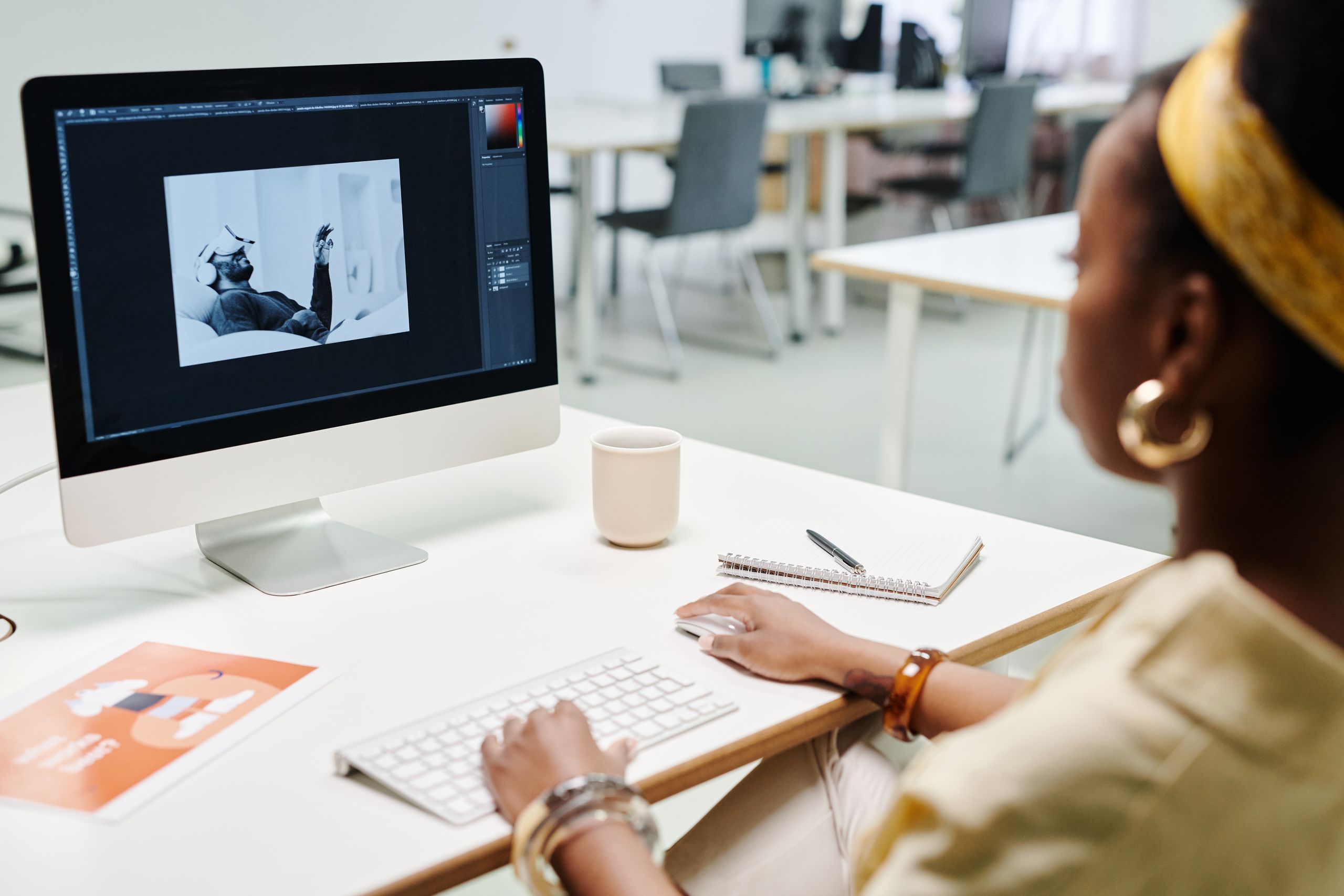
What Is Graphic and Video Designing? A Complete Guide
Introduction
Graphic and video designing are two important fields in the modern digital world. Businesses, educational institutions, social media creators, advertising agencies, websites, mobile applications, and entertainment companies all depend on visual content to communicate with people. What Is Graphic and Video Designing
Graphic design focuses mainly on creating visual materials such as logos, posters, banners, advertisements, social media posts, brochures, presentations, packaging, and website graphics. Video design, often connected with video editing and motion graphics, focuses on creating and arranging moving visual content, including videos, animations, transitions, titles, effects, and sound. What Is Graphic and Video Designing
Although graphic design and video design are different disciplines, they are closely connected. A designer may create a logo in a graphic-design application and then use that logo inside a promotional video. A social media campaign may require both attractive graphics and short videos. What Is Graphic and Video Designing
Learning these skills can open opportunities in freelancing, digital marketing, advertising, content creation, web design, social media, animation, and many other industries.
1. What Is Graphic Design?
Graphic design is the process of communicating ideas and information through visual elements.
A graphic designer combines elements such as: What Is Graphic and Video Designing
- Text
- Images
- Colors
- Shapes
- Icons
- Illustrations
- Layouts
- Patterns
- Typography
The purpose is not simply to make something look attractive. Good graphic design should communicate a message clearly and effectively.
For example, a restaurant advertisement may use a photograph of food, an attractive heading, pricing information, the restaurant’s logo, and contact details. A designer arranges these elements so that viewers can quickly understand the message.
2. What Is Video Designing?
Video designing involves creating and arranging visual content that communicates information through moving images. What Is Graphic and Video Designing
It can include:
- Video editing
- Motion graphics
- Animation
- Transitions
- Titles
- Visual effects
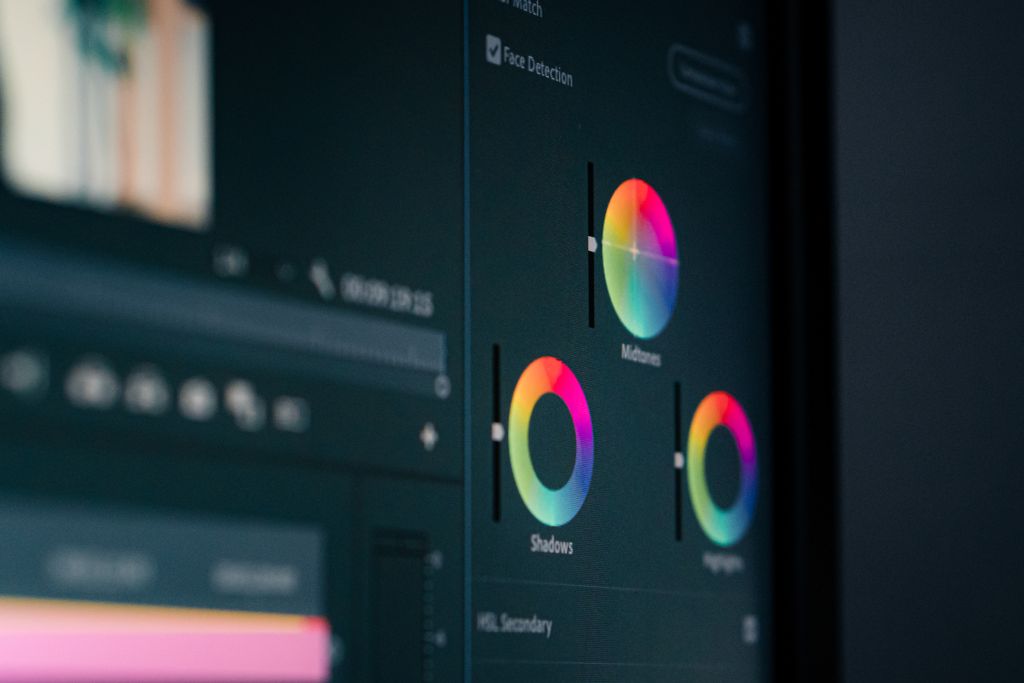
- Color correction
- Audio synchronization
- Subtitles
- Storytelling
A video designer or editor takes different elements and combines them into a complete visual experience. What Is Graphic and Video Designing
For example, a YouTube video may contain recorded footage, photographs, text animations, background music, sound effects, subtitles, and graphics. What Is Graphic and Video Designing
3. Difference Between Graphic and Video Designing
Graphic design primarily creates static visual content, while video design creates moving visual content.
| Graphic Design | Video Design |
| Posters | YouTube videos |
| Logos | Advertisements |
| Social media graphics | Reels and Shorts |
| Brochures | Motion graphics |
| Business cards | Animations |
| Website graphics | Video presentations |
| Product packaging | Promotional videos |
However, modern designers often work across both fields.
For example, a social media designer might create an Instagram post and then transform the same design into an animated video.
4. Importance of Graphic Design
Graphic design plays an important role in communication. What Is Graphic and Video Designing
People see thousands of visual messages every day. Good design helps a business or organization communicate its identity and message quickly.
Graphic design is used for:
- Branding
- Advertising
- Marketing
- Education
- Social media
- Websites
- Mobile applications
- Publications
- Product packaging
- Presentations
A well-designed visual can make information easier to understand and remember.
5. Importance of Video Design
Video has become one of the most popular forms of digital communication. What Is Graphic and Video Designing
Businesses use videos for advertising, product demonstrations, training, announcements, and social media.
Educational organizations use videos to explain difficult concepts.
Content creators use videos for entertainment and information.
Video can combine visual information, spoken words, music, text, and animation, making it a powerful communication format.
6. Basic Principles of Graphic Design
To become a good graphic designer, it is important to understand design principles What Is Graphic and Video Designing.
Balance
Balance means distributing visual elements in a way that creates stability.
A design can be symmetrical or asymmetrical.
Contrast
Contrast helps important elements stand out.
Contrast can be created through differences in size, color, shape, or typography.
Alignment
Alignment creates order and makes a design easier to read. What Is Graphic and Video Designing
Repetition
Repeated design elements can create consistency and strengthen visual identity.
Proximity
Related elements should generally be placed near each other so viewers understand their relationship.
Hierarchy
Visual hierarchy determines which information viewers notice first, second, and third.
These principles are useful for posters, websites, advertisements, presentations, and many other designs.
7. Understanding Color
Color is an important part of design. What Is Graphic and Video Designing
Different colors can create different visual impressions. Designers should understand:
- Primary colors
- Secondary colors
- Color combinations
- Contrast
- Saturation
- Brightness
- Color harmony
Color selection should also consider the purpose and audience of a project.
For example, a children’s educational graphic may use a different visual approach from a professional financial presentation.What Is Graphic and Video Designing
Designers should avoid using too many unrelated colors because this can make a design confusing.
8. Understanding Typography
Typography is the art and technique of arranging text.
Good typography improves readability and communication.
Important typography concepts include:What Is Graphic and Video Designing
- Font family
- Font size
- Font weight
- Line spacing
- Letter spacing
- Text alignment
- Font hierarchy
A designer should select fonts based on the purpose of the design. What Is Graphic and Video Designing
For example, a formal business presentation may require a different typography style from a creative entertainment poster.
The most important principle is readability. What Is Graphic and Video Designing
9. Images and Composition
Images are commonly used in graphic design.
Designers need to understand how images work with other elements.
Composition refers to how visual elements are arranged within a design.
A strong composition can guide the viewer’s attention. What Is Graphic and Video Designing
Important considerations include:
- Subject placement
- Empty space
- Scale
- Alignment
- Visual balance
- Focal points
A design does not need to fill every available space. White space, or negative space, can make a design cleaner and easier to understand.
10. Logo Design
A logo is a visual symbol associated with a business, organization, product, or project.
A good logo should generally be: What Is Graphic and Video Designing
- Recognizable
- Simple
- Appropriate
- Memorable
- Flexible
- Legible
Logos are often created using vector-based design software because vector graphics can be resized without losing quality. What Is Graphic and Video Designing
A logo may appear on websites, business cards, advertisements, packaging, social media, and videos.
11. Social Media Graphic Design
Social media has created enormous demand for graphic designers. What Is Graphic and Video Designing What Is Graphic and Video Designing
Designers create:
- Posts
- Stories
- Thumbnails
- Advertisements
- Banners
- Profile graphics
- Promotional content
Different platforms may use different dimensions and formats, so designers should check the current requirements of the platform they are designing for. What Is Graphic and Video DesigningWhat Is Graphic and Video Designing
A successful social media graphic should communicate its main message quickly because users often scroll rapidly through content. What Is Graphic and Video Designing
12. UI and Web Graphic Design
Graphic design is also important in websites and applications. What Is Graphic and Video Designing
Designers may create:
- Icons
- Buttons
- Illustrations
- Banners
- Backgrounds
- Interface elements
UI design focuses on how users interact with digital products.
A visually attractive interface should also be easy to understand and use.
This is why graphic design and user-experience design often work together. What Is Graphic and Video Designing
13. Software Used for Graphic Design
Several software categories are commonly used in graphic design. What Is Graphic and Video Designing
Adobe Photoshop
Photoshop is widely used for image editing, photo manipulation, digital graphics, and compositing.
Adobe Illustrator
Illustrator is commonly used for vector graphics, logos, illustrations, and icons.
Canva
Canva provides templates and simplified design tools that are popular among beginners, students, businesses, and social media creators.
Figma
Figma is widely used for interface design, prototypes, and collaborative digital design.
Other tools are also available, including free and open-source alternatives.
The best software depends on the type of work and the designer’s requirements.
14. What Is Video Editing?
Video editing is the process of selecting, arranging, modifying, and combining video clips into a finished production.
An editor may:
- Import footage.
- Organize clips.
- Remove unwanted sections.
- Arrange clips on a timeline.
- Add music or sound.
- Add text and graphics.
- Adjust colors.
- Add transitions where appropriate.
- Review the project.
- Export the final video.
Good editing is not about adding the maximum number of effects. It is about making the video clear, engaging, and appropriate for its purpose.
15. Understanding the Video Timeline
The timeline is one of the most important parts of video-editing software.
It allows editors to arrange:
- Video clips
- Audio
- Images
- Text
- Effects
- Graphics
A video is created by organizing these elements over time.
Learning timeline editing is one of the first practical skills a beginner should develop.
16. Video Cuts and Transitions
A cut changes from one shot to another.
Cuts are often more effective than excessive transitions.
Transitions can be useful when they support the story or visual style.
Common transitions include:
- Fade
- Dissolve
- Wipe
- Slide
Beginners sometimes use too many transitions. Professional editing generally focuses on purposeful choices rather than adding effects everywhere.
17. Motion Graphics
Motion graphics combine graphic design with animation.
Examples include:
- Animated logos
- Moving text
- Infographics
- Title sequences
- Animated icons
- Social media animations
Motion graphics are useful for explaining information and making videos more visually interesting.
A graphic designer who learns motion graphics can expand into video production and animation.
18. Animation
Animation creates the appearance of movement by displaying visual elements over time.
There are many forms of animation, including:
- 2D animation
- 3D animation
- Motion graphics
- Character animation
- Stop-motion
Animation requires an understanding of timing, movement, composition, and storytelling.
19. Audio in Video Design

Audio is an important part of video.
It can include:
- Voice
- Music
- Sound effects
- Ambient sound
Poor audio can reduce the quality of an otherwise good video.
Editors should make sure dialogue is understandable and that music or sound effects do not unnecessarily overpower important speech.
20. Color Correction and Color Grading
Color correction is used to improve the consistency and technical appearance of footage.
For example, clips recorded under different lighting conditions may have different color characteristics.
Color grading is a creative process used to establish a particular visual mood or style.
These skills can make video footage look more consistent and professional.
21. Video Resolution and Formats
Video designers should understand basic technical concepts such as:
- Resolution
- Frame rate
- Aspect ratio
- Bitrate
- Compression
- File formats
Common resolutions include HD, Full HD, and 4K.
Different platforms may recommend different video dimensions and formats.
Understanding these concepts helps designers export videos that look good while maintaining reasonable file sizes.
22. Storytelling in Video Design
Technology alone does not create a great video.
Storytelling is extremely important.
A video should have a clear purpose.
Depending on the project, it may contain:
- Introduction
- Main idea
- Development
- Important information
- Conclusion or call to action
For example, a product advertisement might introduce a problem, present a product as a possible solution, explain its benefits, and finish with information about where to learn more.
23. Graphic Design for Video
Graphic design skills are extremely useful in video production.
A video may require:
- Logos
- Titles
- Lower thirds
- Charts
- Icons
- Subtitles
- Background graphics
- Thumbnails
These elements should have consistent typography, spacing, and visual identity.
This is why people who understand both graphic and video design can be valuable in digital marketing and content production.
24. How to Learn Graphic and Video Designing
Beginners should learn step by step.
Step 1: Learn Design Fundamentals
Study color, typography, composition, contrast, hierarchy, and balance.
Step 2: Choose One Design Tool
Start with one application rather than trying to master many tools simultaneously.
Step 3: Practice Simple Projects
Create posters, social media posts, banners, thumbnails, and simple logos.
Step 4: Learn Video Editing
Start with cutting clips, arranging a timeline, adding text, and working with audio.
Step 5: Learn Motion Graphics
Once basic editing becomes comfortable, explore animation and motion design.
Step 6: Build a Portfolio
Save your best projects and organize them into a portfolio.
25. Practice Is More Important Than Memorization
Design is a practical skill.
Reading tutorials is useful, but real improvement comes from creating projects.
A beginner could practice by designing:
- A fictional business logo
- A restaurant advertisement
- A YouTube thumbnail
- A social media campaign
- A short promotional video
- An educational infographic
- An animated title
Each project provides an opportunity to improve.
26. How to Build a Portfolio
A portfolio demonstrates what you can actually do.
Instead of adding every project you have created, select your strongest work.
A portfolio can include different categories such as:
Graphic Design
- Logos
- Posters
- Social media graphics
- Branding
Video Design
- Short videos
- Motion graphics
- Advertisements
- Educational videos
Explain the goal of each project and what role you performed.
27. Career Opportunities
Graphic and video design can lead to many career opportunities.
Possible roles include:
- Graphic designer
- Video editor
- Motion graphics designer
- UI designer
- Brand designer
- Social media designer
- Visual designer
- Multimedia designer
- Animation artist
- Content creator
Some professionals work for companies or agencies, while others work independently as freelancers.
28. Freelancing in Graphic and Video Design
Freelancing allows designers to work with clients on individual projects.
Common freelance services include:
- Logo design
- Social media graphics
- YouTube thumbnails
- Video editing
- Promotional videos
- Motion graphics
- Presentation design
A successful freelancer needs more than design skills. Communication, organization, meeting deadlines, understanding client requirements, and presenting work professionally are also important.
29. Common Beginner Mistakes
Beginners often make several mistakes.
Using Too Many Fonts
Using many unrelated fonts can make a design confusing.
Using Too Many Colors
Too many colors can reduce visual consistency.
Adding Too Many Effects
Effects should support the message rather than distract from it.
Ignoring Readability
Text must remain readable on the intended screen or medium.
Copying Other Designers
Studying other work is useful, but developing original work and understanding design principles is more valuable.
Ignoring the Audience
A design should be created for a particular audience and purpose.
30. Graphic and Video Design in Digital Marketing
Digital marketing heavily depends on visual content.
Businesses use graphics and videos for:
- Social media advertising
- Product promotions
- Brand awareness
- Educational campaigns
- Email marketing
- Website content
- Online advertisements
A combination of strong graphic design and video content can help businesses communicate consistently across multiple digital platforms.
31. Artificial Intelligence and Design
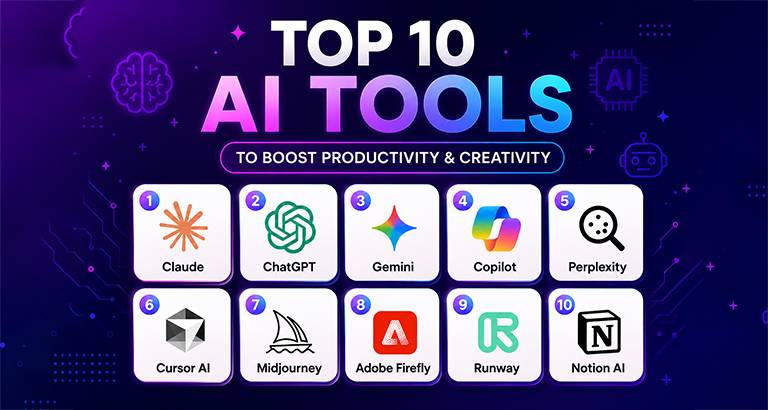
Artificial intelligence is increasingly becoming part of the design industry.
AI-based tools can assist with tasks such as generating ideas, removing backgrounds, creating variations, improving workflows, and assisting with editing.
However, designers still need human skills such as creativity, communication, visual judgment, storytelling, and understanding client requirements.
AI should generally be viewed as a tool that can support creative work rather than a complete replacement for design knowledge.
32. Future of Graphic and Video Designing
The future of visual design is likely to involve more animation, interactive content, artificial intelligence, 3D graphics, virtual environments, short-form video, and personalized digital experiences.
Social media platforms will continue to create demand for short videos and visual content.
Businesses will also need consistent visual identities across websites, applications, advertisements, and digital platforms.
Designers who continue learning new technologies while maintaining strong fundamental design skills will be better prepared for these changes.
Conclusion
Graphic and video designing are important creative and technical skills in the modern digital world. Graphic design focuses primarily on creating visual communication through images, typography, colors, shapes, and layouts. Video design combines moving images, editing, animation, graphics, sound, and storytelling.
To become successful, beginners should first learn fundamental design principles such as balance, contrast, hierarchy, typography, color, and composition. They should then learn professional tools and practice creating real projects.
Video designers should learn timeline editing, cutting, transitions, audio, color correction, motion graphics, animation, and storytelling.
The combination of graphic and video design skills can provide many opportunities in advertising, social media, marketing, content creation, freelancing, branding, web design, and entertainment.
Most importantly, becoming a good designer requires practice, creativity, patience, and continuous learning. Software can help you create the work, but strong design thinking is what makes the final result effective.