How the World Is Facing Health Problems in the Age of Technology
Introduction
Technology has transformed modern life. Smartphones, computers, artificial intelligence, social media, online education, digital entertainment, wearable devices, and automated systems have made many activities faster and easier. People can communicate across continents in seconds, access information instantly, work remotely, study online, and use digital tools to manage many aspects of daily life. Problems
However, technological progress also creates new health challenges. The problem is not technology itself. Many health concerns arise from how technology is designed, how often it is used, and whether digital activities replace healthy behaviors such as physical activity, sleep, outdoor time, and face-to-face interaction. Problems
The World Health Organization notes that increasing screen use, motorized transportation, and sedentary lifestyles are contributing to changing patterns of physical activity. WHO reports that about 31% of adults and 80% of adolescents globally do not meet recommended levels of physical activity. Problems
Therefore, the relationship between technology and health is complicated. Technology can create risks, but it can also become part of the solution. Problems
1. The Rise of a Digital Lifestyle
Modern people spend significant parts of their lives interacting with digital devices.
Students may use computers for education. Workers may spend hours in front of screens. People use smartphones for communication, entertainment, shopping, navigation, and social media.
This convenience has changed daily routines.
In previous generations, many everyday activities naturally required movement. People often walked to places, visited stores physically, and performed more tasks without digital assistance.
Today, many activities can be completed while sitting in one location. Problems
Technology has therefore contributed to a more sedentary lifestyle in many communities.
2. Physical Inactivity
One of the major health concerns associated with modern technology is physical inactivity.
People can spend long periods sitting while using smartphones, watching videos, playing games, studying, working, or browsing the internet. Problems
WHO explains that higher amounts of sedentary behavior are associated with poorer health outcomes, while replacing sedentary time with physical activity provides health benefits.
Physical inactivity can contribute to several noncommunicable diseases and can affect physical and mental well-being.Problems
The solution does not require abandoning technology. People can combine digital activities with regular movement. Problems
Walking, cycling, sports, active recreation, and everyday movement can all contribute to a healthier lifestyle. Problems
3. Screen Time and Children
Children and teenagers are growing up in an environment where screens are widely available.
Phones, tablets, computers, televisions, and gaming systems can provide entertainment and educational opportunities. Problems
However, recreational screen use can also replace activities that are important for healthy development. Problems
WHO guidance notes that higher amounts of sedentary behavior among children and adolescents are associated with outcomes including increased adiposity, poorer fitness and cardiometabolic health, and reduced sleep duration. Problems
The goal should not simply be to count every minute spent on a screen. It is important to consider what the child is doing, whether the activity is educational or recreational, whether it replaces physical activity or sleep, and whether the overall routine is balanced. Problems
4. Eye Strain and Digital Devices
Long periods of close-up screen use can contribute to eye discomfort for some people.
Symptoms can include tired eyes, dryness, blurred vision, or difficulty focusing after extended periods of screen use. Problems
Digital devices are now essential for many forms of education and work, so completely avoiding screens is unrealistic. Problems
Instead, healthy habits can include taking regular breaks, changing focus to distant objects, maintaining appropriate lighting, and using comfortable viewing distances. Problems
Persistent or concerning vision problems should be discussed with a qualified eye-care professional. Problems
5. Sleep and Technology
Sleep is another area affected by modern digital habits. Problems
People may use phones, computers, televisions, or gaming devices late at night. Notifications and online conversations can also encourage people to remain connected when they should be preparing for sleep. Problems
Reduced sleep can affect concentration, learning, mood, and daily performance. Problems
For students, sleep is particularly important because learning requires attention and memory.
Creating a calm evening routine and reducing unnecessary digital activity before bedtime can help people protect their sleep. Problems
6. Mental Health and Digital Technology
Technology and mental health have a complicated relationship. Problems
Digital tools can help people communicate, learn, find communities, and access support.Problems
At the same time, certain online experiences can contribute to stress, social comparison, cyberbullying, or excessive use. Problems
WHO’s 2025 policy brief on young people’s digital well-being emphasizes that evidence is mixed: technology use can have both positive and negative effects, and the relationship between digital use and mental health can work in both directions.Problems
This means it is inaccurate to say that technology automatically causes mental-health problems.
Individual circumstances, the type of online activity, the amount of use, and the person’s environment all matter. Problems
7. Social Media and Emotional Well-Being
Social media has created new ways for people to communicate and express themselves.
Positive online communities can provide friendship, creativity, education, and support. Problems
However, social media can also expose users to negative comments, unrealistic comparisons, arguments, and a constant stream of emotionally intense content. Problems
Some users may begin to compare their everyday lives with carefully selected online images.
Understanding that social media shows only part of reality can help people develop a healthier relationship with online content.
8. Cyberbullying
Cyberbullying is another health-related challenge of the digital age.
Unlike traditional bullying, online harassment can follow a person beyond school or other physical environments.
Messages, comments, posts, or group interactions can spread quickly.
Young people who experience online harassment should not feel that they have to deal with it alone.
They can talk to a trusted parent, teacher, counselor, or another supportive adult and use appropriate platform safety and reporting features.
Creating respectful digital communities is everyone’s responsibility.
9. Information Overload
The internet provides an enormous amount of information.
This is one of its greatest advantages, but it can also become overwhelming.
People may encounter news, advertisements, messages, videos, opinions, alerts, and notifications throughout the day.
Constant information can make it difficult to focus on one task.
Digital habits that reduce unnecessary notifications and create periods of uninterrupted concentration can help people manage information overload.
10. Health Misinformation
Technology has made health information easier to access.
People can search for symptoms, read articles, watch videos, and participate in online discussions.
However, not all health information on the internet is reliable.
Misleading health claims can spread rapidly through social media.
A person should not assume that a viral post is medically accurate simply because many people have shared it.
For important health questions, reliable medical organizations and qualified healthcare professionals are much safer sources than random social-media posts.
11. Technology and Poor Eating Habits
Technology can influence eating behavior indirectly.
People may spend long periods sitting while consuming digital entertainment. Advertisements can also promote food and drinks.
Online delivery services have made it easier to order meals without leaving home.
These technologies can be convenient, but convenience can sometimes encourage less active lifestyles.
Technology can also be used positively to support meal planning, nutrition education, and healthier routines.
The important factor is how the technology is used.
12. Gaming and Health
Video games can provide entertainment, creativity, problem-solving opportunities, and social interaction.
However, very long gaming sessions can reduce time available for sleep, physical activity, study, and family interaction.
The issue is therefore not that all gaming is harmful.
A balanced approach allows gaming to remain one activity among many rather than replacing important parts of daily life.
Taking breaks and maintaining a varied routine can help support healthy habits.
13. Technology and Neck and Back Problems
Long periods of sitting while using computers and phones can contribute to uncomfortable postures.
People may bend their necks toward phones or remain in the same sitting position while working.
Over time, poor workstation habits can contribute to discomfort.
A more comfortable setup can include appropriate chair and screen positioning, regular movement breaks, and changing positions throughout the day.
For persistent pain, professional medical advice is appropriate.
14. Technology and Workplace Health
Technology has transformed workplaces.
Many jobs now involve computers, digital communication, and online meetings.
Remote work can reduce commuting and provide flexibility, but it can also blur the boundary between work and personal life.
Employees may feel pressure to respond to messages outside normal working hours.
Healthy workplace policies can encourage reasonable working hours, breaks, ergonomic environments, and clear communication expectations.
15. The Positive Side of Technology
It is important not to discuss technology only as a health threat.
Modern technology has also improved healthcare.
Doctors can use advanced imaging systems, electronic medical records, laboratory technologies, robotic equipment, and digital communication tools.
Researchers can analyze enormous datasets to better understand diseases.
Artificial intelligence can assist with certain medical research and clinical tasks when appropriately developed, validated, and supervised.
Technology can therefore be part of the solution to many health challenges.
16. Telemedicine
Telemedicine allows healthcare professionals and patients to communicate remotely in situations where appropriate.
This can be particularly useful for people who have difficulty traveling or who live far from medical facilities.
Digital consultations can save time and improve access to certain services.
However, telemedicine cannot replace every type of medical examination.
Some conditions require an in-person assessment, testing, or emergency care.
17. Wearable Health Technology
Smartwatches and other wearable devices can collect information such as activity levels, heart rate, or sleep-related measurements.
These devices can encourage people to become more aware of their daily habits.
However, wearable measurements are not necessarily medical diagnoses.
Users should avoid becoming overly worried about individual readings and should consult qualified healthcare professionals when they have health concerns.
18. Artificial Intelligence in Healthcare
Artificial intelligence is becoming increasingly important in healthcare research and technology.
AI can analyze large datasets, assist with medical image analysis, support research, and help identify patterns that may be difficult to detect manually.
However, AI systems can make mistakes.
They require careful testing, appropriate data, human oversight, privacy protections, and responsible deployment.
AI should support healthcare professionals rather than being treated as an unquestionable replacement for professional judgment.
19. Technology and Medical Research
Modern computers allow scientists to analyze huge amounts of information.
Researchers can study genetic data, disease patterns, medical records, and other datasets.
Advanced computing can accelerate certain areas of drug discovery and biomedical research.
This could help researchers understand diseases and develop new treatments more efficiently.
20. Digital Health Education
Technology can make health education more accessible.
Students and families can learn about nutrition, exercise, hygiene, disease prevention, mental well-being, and other health topics through reliable educational resources.
Interactive applications and digital courses can make learning more engaging.
However, educational content should come from trustworthy sources.
21. Technology and Emergency Response
Digital communication can save valuable time during emergencies.
Weather alerts, emergency messages, mapping systems, satellite technology, and communication networks can help authorities and communities respond to disasters.
Technology can help locate affected areas, coordinate rescue operations, and distribute important information.
22. Air Pollution Monitoring
Technology can also help monitor environmental health risks.
Sensors and monitoring networks can measure air pollution and provide information about environmental conditions.
This data can help governments and communities understand pollution patterns and develop appropriate responses.
Environmental monitoring is particularly important because air quality can affect respiratory and cardiovascular health.
23. Smart Cities and Public Health
Smart-city technology can support healthier communities.
Digital systems can help manage public transportation, traffic, water systems, waste collection, energy use, and environmental monitoring.
Better urban planning can encourage walking, cycling, public transportation, green spaces, and cleaner environments.
Technology works best when it is combined with thoughtful urban design.
24. The Digital Divide
Not everyone benefits equally from technological progress.
Some communities have fast internet, modern devices, and access to digital healthcare.
Others may lack reliable connectivity, electricity, devices, or digital skills.
This creates a digital divide.
If digital healthcare becomes increasingly important, governments and organizations need to ensure that disadvantaged communities are not left behind.
Technology should improve health equity rather than increase inequality.
25. Privacy and Health Technology
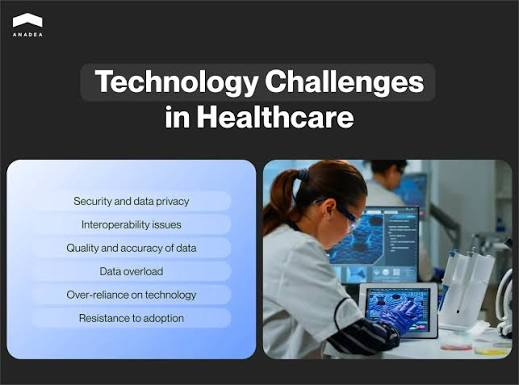
Digital health systems can involve sensitive personal information.
Health applications, wearable devices, electronic medical records, and online consultations may collect information that needs strong protection.
Organizations should use appropriate cybersecurity and privacy practices.
Users should also be careful about sharing sensitive information with unknown applications or websites.
Trust is essential for digital healthcare.
26. Technology Addiction and Compulsive Use
Some people may develop unhealthy patterns around digital devices.
They may repeatedly check their phones, spend excessive time online, or find it difficult to stop using particular applications.
Not every frequent user has an addiction, and technology use should not automatically be treated as a medical disorder.
However, if digital activities consistently interfere with school, sleep, relationships, responsibilities, or well-being, it can be useful to discuss the situation with a trusted adult or qualified professional.
27. The Importance of Physical Activity
Technology should never completely replace movement.
WHO states that regular physical activity provides significant physical and mental health benefits, while physical inactivity increases the risk of noncommunicable diseases.
Even simple forms of movement can be valuable.
Walking, cycling, playing sports, active recreation, and everyday movement can all contribute to a healthier lifestyle.
The goal is not perfection. The goal is to avoid spending the entire day sitting.
28. Creating a Healthy Digital Routine
A healthy digital routine can include several simple principles.
Use technology for specific purposes rather than automatically opening applications whenever there is free time.
Take regular breaks during long periods of screen use.
Make time for physical activity.
Protect sleep.
Spend time with family and friends away from screens.
Choose reliable sources for health information.
Use privacy and security settings appropriately.
These habits can help technology remain useful without allowing it to dominate daily life.
29. What Schools Can Do
Schools can help students develop healthy digital habits.
Digital education should include more than learning how to operate devices.
Students can learn about:
- Healthy screen habits
- Online safety
- Cyberbullying
- Digital privacy
- Misinformation
- AI literacy
- Physical activity
- Responsible social media use
Schools can also encourage sports, outdoor activities, creativity, and face-to-face social interaction.
30. What Families Can Do
Families can establish healthy technology habits together.
Instead of treating technology as automatically good or bad, families can discuss how devices are being used.
Parents and young people can agree on reasonable routines around studying, sleep, meals, recreation, and family time.
Open communication is especially important when young people encounter difficult online experiences.
31. What Individuals Can Do
Individuals can take control of their digital habits.
They can ask themselves:
“Is this technology helping me?”
“Is it replacing sleep or physical activity?”
“Am I using it intentionally or automatically?”
“Is the information I am seeing reliable?”
“Do I feel better or worse after spending a long time online?”
These questions can encourage greater awareness.
32. Technology Should Support Health, Not Replace Healthy Living
One of the most important principles is that technology should support healthy habits rather than replace them.
A fitness application cannot replace movement.
A sleep tracker cannot replace adequate sleep.
A health-search website cannot replace a qualified medical professional when professional care is needed.
An online social network cannot completely replace real-world relationships.
Technology is a tool. Healthy living still depends on fundamental behaviors.
33. The Future of Health Technology
The future may bring even more advanced digital health systems.
Artificial intelligence, wearable technology, remote monitoring, robotics, virtual environments, and personalized digital healthcare may become more common.
These technologies could make healthcare more accessible and personalized.
At the same time, society will need to address privacy, cybersecurity, misinformation, inequality, and overdependence on technology.
Innovation should therefore be combined with ethics and responsible regulation.
Conclusion
The age of technology has brought extraordinary improvements to human life, but it has also created new health challenges.
Physical inactivity, prolonged sitting, excessive recreational screen use, sleep disruption, digital stress, misinformation, cyberbullying, privacy concerns, and information overload are important issues to consider.
WHO research shows that sedentary behavior and insufficient physical activity are significant public-health concerns, while regular physical activity provides important physical and mental benefits.
However, technology should not be viewed only as a problem.
Telemedicine, wearable devices, artificial intelligence, medical research, environmental monitoring, emergency communication, and digital health education demonstrate that technology can also improve health.
The future depends on finding a balance.
People should use technology to learn, communicate, work, create, and access healthcare while continuing to prioritize sleep, physical activity, relationships, outdoor experiences, and healthy routines.
The goal is not a world without technology. The goal is a world in which technology improves human health without replacing the behaviors that keep people healthy.
Technology is one of humanity’s most powerful tools. The challenge is learning to use that tool wisely.