Social Media and Changes in Human Behavior
Introduction
Social media has become one of the most influential technologies of the modern world. Platforms for sharing videos, photos, messages, news, entertainment, and ideas have changed the way people communicate and interact. For younger generations in particular, social media is deeply connected to everyday life.
People can communicate with friends instantly, discover new information, follow creators, participate in communities, and express their opinions to audiences around the world. Businesses use social media to reach customers, students use it to discover educational resources, and creators use it to build careers.
However, social media does more than provide communication. It can also influence human behavior. The way people communicate, make decisions, spend their free time, respond to information, present themselves, and interact with others has changed significantly because of digital platforms.
These changes are not entirely positive or negative. Social media can strengthen relationships and provide valuable opportunities, but excessive or careless use can contribute to distraction, social comparison, misinformation, and unhealthy digital habits.
Understanding how social media affects behavior can help people use it more responsibly and effectively.
1. What Is Social Media?
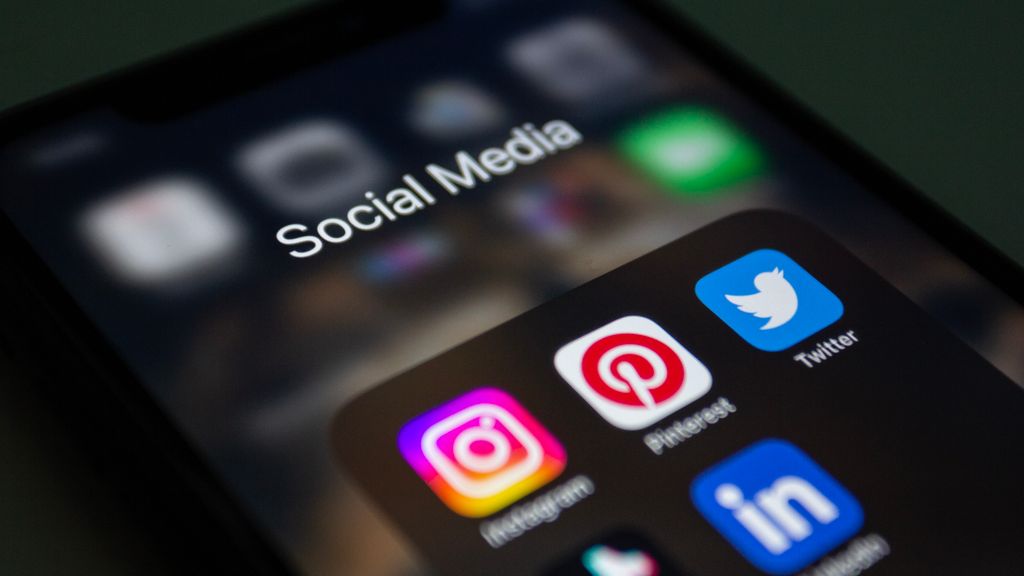
Social media refers to digital platforms that allow people to create, share, discover, and interact with content.
Examples include platforms focused on short videos, messaging, photos, professional networking, online communities, and video sharing.
Unlike traditional media, social media allows ordinary users to become content creators. A person does not need to own a television station or newspaper to reach a large audience. With a smartphone and internet connection, they can publish content that may reach thousands or even millions of people.
This has changed the relationship between audiences and media.
People are no longer only consumers of information. They can also become publishers, commentators, reviewers, entertainers, educators, and influencers.
2. Changes in Communication
One of the biggest behavioral changes caused by social media is the transformation of communication.
In the past, communication over long distances could take significant time. Today, messages, images, videos, and voice calls can reach people almost instantly.
People can maintain relationships with friends and relatives who live far away.
However, digital communication can also change how people interact face-to-face. Some people may become more comfortable communicating through messages than through direct conversations.
Social media can make communication faster, but speed does not always mean deeper communication.
A short message can replace a long conversation, and an emoji can sometimes replace an explanation of emotions.
Therefore, people need to maintain a balance between digital communication and real-world interaction.
3. Shorter Attention Patterns
Modern social media often emphasizes short and highly engaging content.
Short videos, rapid transitions, notifications, and continuously changing feeds can provide constant stimulation.
As a result, some users may become accustomed to consuming information quickly.
This does not mean every social media user automatically develops poor concentration. However, repeatedly switching between short pieces of content can make long periods of focused attention feel more difficult for some people.
For students, this can become important when they need to read a long chapter, study for an examination, or work on a complicated project.
Learning to focus without constantly checking social media is therefore an increasingly important skill.
4. Social Comparison
Social comparison is another major way social media can influence behavior.
People naturally compare themselves with others. Social media can increase opportunities for comparison because users are constantly exposed to other people’s photos, achievements, lifestyles, vacations, careers, possessions, and social experiences.
The problem is that social media usually presents selected moments rather than complete lives.
A person may post a successful achievement but not show the difficulties that came before it. Someone may share a carefully edited photograph without showing ordinary moments.
Comparing everyday life with another person’s carefully selected online content can create unrealistic expectations.
Understanding that social media represents only part of reality can help users develop healthier attitudes.
5. The Desire for Likes and Approval
Likes, comments, shares, views, and followers can become forms of social feedback.
Positive feedback can make users feel appreciated and encourage them to continue creating content.
However, some people may begin to measure their value through online reactions.
A post receiving fewer likes than expected may lead to disappointment. A successful post may encourage someone to repeatedly seek similar attention.
This can create a cycle in which online approval becomes increasingly important.
A healthier approach is to view likes and followers as measurements of digital engagement rather than measurements of personal worth.
6. Changes in Self-Presentation
Social media has changed how people present themselves to others.
Users can choose profile photographs, usernames, biographies, captions, videos, and other content that represents them online.
This allows people to express creativity and identity.
At the same time, carefully managing an online image can create pressure.
Someone may feel that they always need to appear successful, happy, fashionable, or interesting.
This can make social media feel less like communication and more like maintaining a public image.
A healthy online presence should allow people to be authentic while also respecting privacy and personal boundaries.
7. The Rise of Influencer Culture
Social media has created a new type of public figure: the influencer.
Influencers can build large audiences around entertainment, education, technology, sports, fashion, gaming, cooking, travel, or other interests.
Their recommendations can affect what people watch, buy, wear, or discuss.
This can be useful when creators provide trustworthy information and valuable content.
However, audiences should remember that some content is connected to advertising or sponsorship.
Users should think critically about recommendations rather than assuming that every promoted product or opinion is completely independent.
8. Changes in Shopping Behavior
Social media has significantly influenced consumer behavior.
People can discover products through videos, reviews, advertisements, creators, and recommendations without deliberately searching for them.
A product may become popular because of a viral video.
This has made social media an important part of modern marketing.
However, viral popularity does not automatically mean a product is high quality.
Consumers should compare information, check reliable reviews, consider whether they actually need something, and avoid making decisions based only on social pressure.
9. Social Media and News Consumption
Many people now discover news through social media.
Instead of visiting a traditional news website directly, users may see news stories through posts, videos, recommendations, or messages.
This provides rapid access to information.
However, social media can also spread inaccurate or misleading information quickly.
A sensational post may receive more attention than a carefully researched explanation.
Therefore, digital literacy is essential.
Before believing or sharing an important claim, users should consider the source, check reliable reporting, examine the date, and look for confirmation from trustworthy sources.
10. The Spread of Trends
Social media can turn a local idea into a global trend extremely quickly.
A song, challenge, phrase, fashion style, technology product, meme, or entertainment topic can spread across countries within a short period.
Trends can create shared cultural experiences.
However, trends can also encourage people to participate simply because everyone else is doing so.
Before following a trend, users should consider whether it is safe, appropriate, and genuinely enjoyable.
Being popular does not automatically make an activity a good idea.
11. Changes in Language
Social media has also influenced language.
Abbreviations, memes, emojis, slang, hashtags, and new expressions spread quickly through online communities.
Young people may develop digital communication styles that differ from formal writing.
This is not necessarily negative. Language naturally changes over time.
However, students should understand the difference between casual online communication and formal writing.
Being able to switch between informal digital language and professional communication is an important modern skill.
12. Changes in Friendship
Social media can help people maintain friendships.
Friends can communicate even when they live far apart. Online communities can also help people meet others who share similar interests.
For example, someone interested in technology, gaming, art, sports, or programming can find communities related to those subjects.
However, online friendship should not completely replace real-world relationships.
Healthy relationships require communication, trust, respect, and time.
Social media should be viewed as one communication tool rather than the entire foundation of social life.
13. Social Media and Family Interaction

Social media can bring families together through shared photographs, messages, and video calls.
Family members living in different cities or countries can stay connected.
At the same time, excessive phone use during family gatherings can reduce face-to-face interaction.
A family may physically sit in the same room while everyone focuses on separate screens.
Simple habits such as having device-free meals or setting aside time for conversation can help maintain stronger family relationships.
14. Changes in Learning
Social media has also influenced education.
Students can find tutorials, educational creators, study communities, explanations, and educational videos online.
A difficult concept from school can sometimes be explained through a short educational video.
However, social media can also distract students from studying.
A student may open an application to watch an educational video and then become distracted by unrelated entertainment.
The key difference is intentional use.
Using social platforms for a specific educational goal can be valuable, while uncontrolled scrolling can reduce productive study time.
15. Social Media and Creativity
One of the most positive behavioral changes is the growth of digital creativity.
People can now create videos, graphics, podcasts, animations, photographs, music, educational content, and written posts using accessible tools.
A young creator can build an audience without traditional media companies.
This has lowered barriers to creative expression.
Social media can therefore encourage experimentation and entrepreneurship.
The important thing is to focus on learning and creating rather than becoming completely dependent on views and likes.
16. The Psychology of Endless Scrolling
Many social platforms use recommendation systems that continuously provide new content.
Users do not necessarily need to decide what to watch next because the platform automatically provides another video or post.
This convenience can encourage long periods of scrolling.
A person may intend to spend a few minutes online but remain on the platform much longer.
Developing awareness of this behavior is important.
Setting personal limits, taking breaks, and turning off unnecessary notifications can help users regain control of their time.
17. Fear of Missing Out
The fear of missing out, often called FOMO, is another behavior associated with social media.
People may feel that they need to stay constantly connected because they are worried about missing a conversation, trend, event, or important update.
This can encourage repeated checking.
However, nobody can realistically follow every online event.
It is healthy to disconnect sometimes.
Missing a trend or taking a break from social media does not mean missing out on life.
18. Social Media and Emotional Reactions
Social media can influence emotional responses because users are exposed to large amounts of information throughout the day.
Positive content can create excitement and inspiration.
Negative content can create anger, fear, frustration, or sadness.
Because emotional content often attracts attention, users may repeatedly encounter highly dramatic posts.
Taking breaks and intentionally choosing what types of accounts to follow can create a healthier digital environment.
If particular online content consistently causes distress, users can mute, unfollow, or block accounts where appropriate.
19. Online Arguments
Social media has made public disagreement much more visible.
People with different opinions can interact instantly, but written communication can easily be misunderstood.
Without facial expressions or tone of voice, a sentence may appear more aggressive than intended.
Arguments can also become larger when other users join the conversation.
Learning to disagree respectfully is an important digital communication skill.
Not every argument needs a response.
Sometimes the best decision is simply to move on.
20. Cyberbullying
One of the serious negative aspects of social media is cyberbullying.
Online harassment can occur through messages, comments, posts, group chats, or other digital spaces.
Because online content can spread quickly, harmful behavior can reach a large audience.
Young people experiencing cyberbullying should not feel that they have to handle it alone.
They can save evidence where appropriate, use platform reporting and blocking tools, and talk to a trusted adult, parent, teacher, counselor, or another supportive person.
Creating respectful online communities requires everyone to take responsibility for their behavior.
21. Privacy and Digital Footprints
Social media behavior can create a digital footprint.
Posts, comments, photographs, and interactions may contribute to a person’s online identity.
This means users should think before sharing personal information or posting something that could cause problems later.
Good digital habits include protecting passwords, using privacy settings, avoiding unnecessary personal information, and being cautious about unknown accounts and links.
Privacy is not only a technical issue. It is also a behavioral responsibility.
22. Social Media and Productivity
Social media can either increase or decrease productivity.
A creator can use it to build a business, promote work, learn marketing, or communicate with an audience.
A student can use it to discover educational material.
A professional can use it to network.
But frequent interruptions can make focused work difficult.
Productivity improves when users separate focused work from recreational social media use.
For example, turning off notifications during important tasks can reduce interruptions.
23. Social Media and Career Opportunities
Social media has created new career possibilities.
Content creation, digital marketing, video editing, social media management, graphic design, online education, and other digital professions have grown alongside social platforms.
A strong online portfolio can help demonstrate skills.
However, building a career through social media requires patience, consistency, creativity, and responsible behavior.
There is no guarantee that every account will become successful.
Learning valuable skills is more reliable than focusing only on becoming viral.
24. The Role of Parents and Teachers
Adults have an important role in helping young people develop healthy social media habits.
Instead of simply saying “do not use social media,” parents and teachers can explain why responsible use matters.
Young people should learn about privacy, online safety, misinformation, cyberbullying, respectful communication, and digital balance.
Open communication can make it easier for young people to ask for help when something goes wrong online.
25. How to Build Healthy Social Media Habits
Developing healthy habits does not require completely leaving social media.
Users can begin with small changes.
First, decide what role social media should play in daily life.
Second, remove unnecessary notifications.
Third, follow accounts that provide useful or positive content.
Fourth, take regular breaks.
Fifth, avoid using social media during important tasks.
Sixth, protect personal information.
Seventh, remember that online popularity is not a measure of personal value.
These simple habits can significantly improve the quality of digital life.
26. The Importance of Critical Thinking
Critical thinking is one of the most important skills in the social media era.
Users should ask:
Who created this content?
Why was it created?
Is the information supported by reliable evidence?
Is the headline designed to create an emotional reaction?
Could the information be misleading or incomplete?
These questions can prevent people from accepting every viral claim as fact.
Critical thinking is particularly important when content involves health, money, politics, emergencies, or other serious subjects.
27. Social Media Should Support Real Life
The healthiest approach is to make social media a part of life rather than the center of life.
Real-world experiences remain important.
Family conversations, friendships, education, physical activity, hobbies, nature, creativity, and personal goals should not disappear because of digital entertainment.
Technology is most valuable when it supports these areas rather than replacing them completely.
28. The Future of Social Media
Social media will continue evolving.
Artificial intelligence is already changing content creation, recommendations, translation, moderation, advertising, and personalized experiences.
Future platforms may become more immersive and interactive.
As technology becomes more powerful, digital literacy will become even more important.
People will need to understand not only how to use platforms but also how algorithms influence what they see.
The ability to control attention and make thoughtful digital decisions may become one of the most valuable skills of the future.
Conclusion
Social media has changed human behavior in many ways. It has transformed communication, entertainment, learning, shopping, creativity, friendships, news consumption, and self-expression.
These changes offer enormous opportunities.
People can communicate across borders, learn new skills, build communities, create content, and discover career opportunities.
At the same time, social media can contribute to distraction, social comparison, misinformation, online conflict, privacy risks, and excessive screen use.
The solution is not to reject social media completely. Instead, people should develop digital awareness, critical thinking, privacy habits, and healthy boundaries.
Social media should be a tool that helps people communicate, learn, create, and connect.
It should not control their attention, define their self-worth, or replace real-world relationships.
The future will likely become even more digital. The most successful users will not simply be those who spend the most time online. They will be the people who understand how technology works, recognize its influence, and know when to use it—and when to put it down.
Social media can change behavior, but with awareness and responsible habits, people can remain in control of how technology influences their lives.