Gen Z and Technology: How to Maintain a Healthy Balance
Introduction
Generation Z, commonly called Gen Z, has grown up during one of the fastest periods of technological change in history. Smartphones, social media, artificial intelligence, online education, streaming platforms, gaming, and instant communication are normal parts of everyday life for many young people. Technology has created countless opportunities for learning, creativity, entertainment, communication, and future careers. At the same time, spending too much time with digital devices can make it harder to concentrate, sleep well, stay physically active, and maintain meaningful relationships.Gen Z and Technology
The goal should not be to reject technology. Technology is an important part of modern life, and Gen Z will likely use it even more in education and employment. Instead, the challenge is learning how to use technology intentionally rather than allowing technology to control daily life.
Maintaining balance means understanding when technology is useful, when it becomes distracting, and when it is time to disconnect. A healthy digital lifestyle combines online opportunities with offline activities such as studying, exercising, spending time with family and friends, developing hobbies, and getting enough rest.Gen Z and Technology
1. Understanding Gen Z and Technology
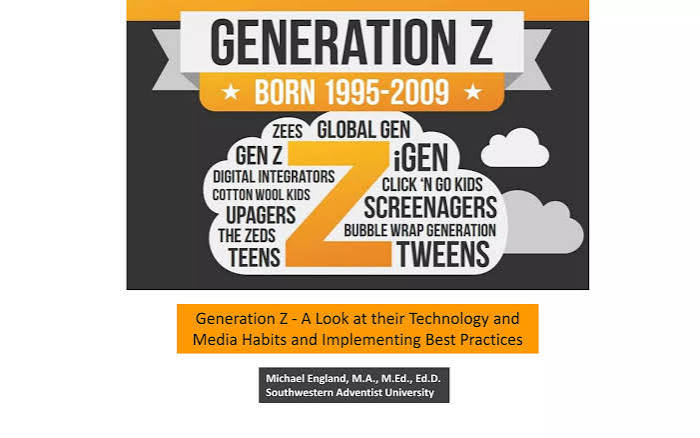
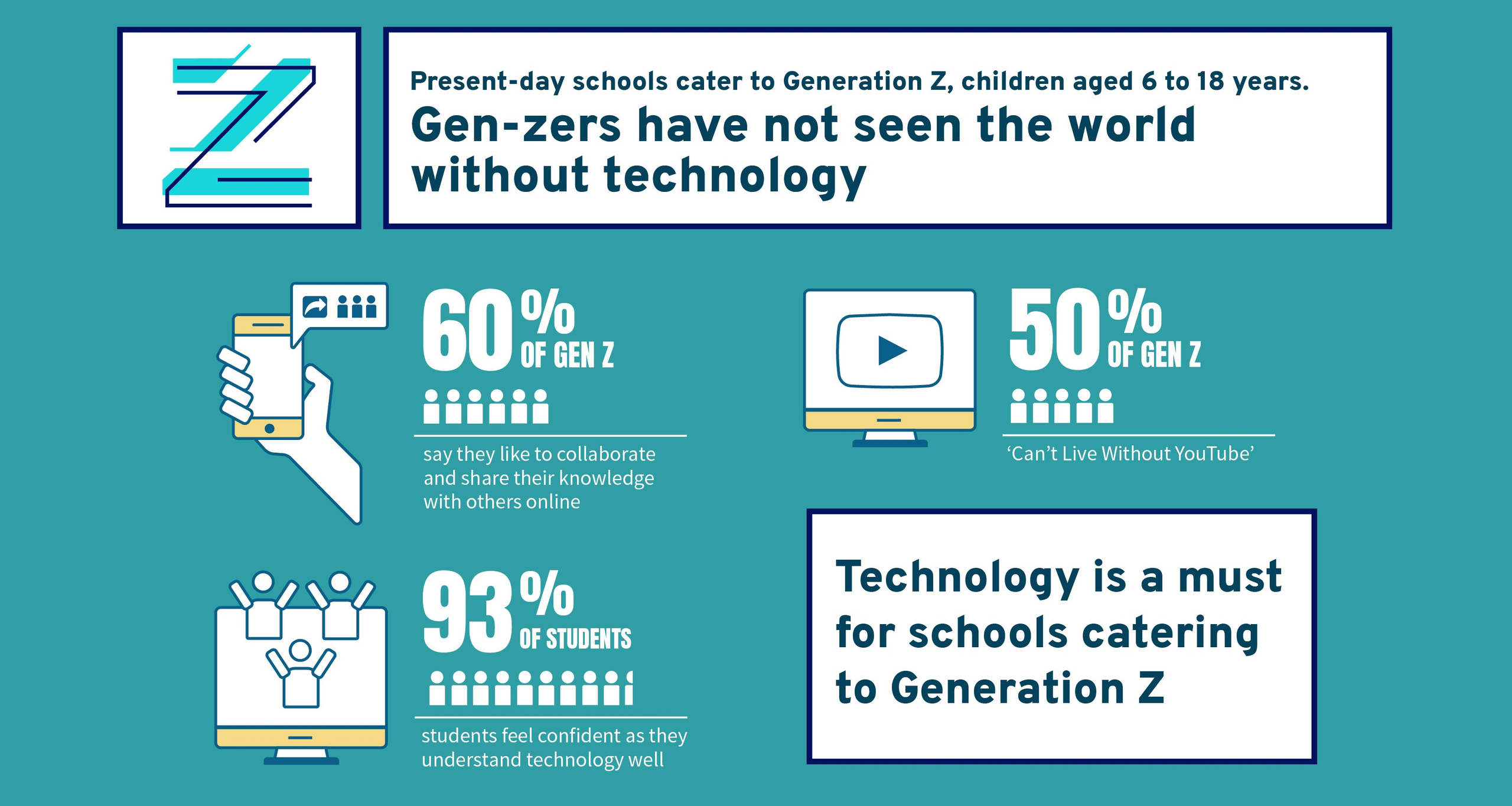
Gen Z generally refers to people born from the late 1990s through the early 2010s, although exact birth-year definitions vary. This generation has experienced smartphones, high-speed internet, social media, online video, and increasingly sophisticated artificial intelligence from a relatively young age.Gen Z and Technology
For many Gen Z students, technology is not simply an entertainment tool. It is also a classroom, library, communication platform, creative studio, and career resource.Gen Z and Technology
A student can use a smartphone to watch an educational lesson, research a school topic, communicate with classmates, practice a language, learn programming, create videos, or explore career opportunities. A laptop can provide access to online courses, digital libraries, productivity applications, and professional communities.
However, the same devices can also provide endless entertainment. A person may open a phone to check one notification and then spend a long period watching short videos, scrolling through social media, or playing games.
This creates an important question: Is technology serving the person, or is the person becoming controlled by technology? Gen Z and TechnologyGen Z and Technology
2. The Benefits of Technology for Gen Z
Technology offers many advantages when used appropriately.
Education
The internet provides access to enormous amounts of educational information. Students can learn mathematics, science, programming, design, business, languages, writing, and many other subjects through digital resources.Gen Z and Technology
Artificial intelligence tools can also help students understand difficult concepts, generate practice questions, organize ideas, and receive explanations. However, students should use AI as a learning assistant rather than allowing it to replace their own thinking.Gen Z and Technology
Communication
Technology allows people to communicate with friends, classmates, teachers, and communities across different locations. Messaging applications, video calls, email, and social platforms make communication faster and easier.Gen Z and Technology
Creativity
Gen Z has access to tools that previous generations could only dream about. Young creators can edit videos, design graphics, produce podcasts, create websites, write stories, and develop digital projects using relatively affordable devices.
Career Development
Technology has created new career paths in software development, cybersecurity, digital marketing, content creation, data analysis, artificial intelligence, graphic design, e-commerce, and many other areas.Gen Z and Technology
Learning useful digital skills at a young age can help students prepare for future opportunities.
3. When Technology Becomes a Problem
Technology itself is not necessarily harmful. Problems usually occur when digital activities become excessive or interfere with important areas of life.Gen Z and Technology
One major problem is constant distraction. Notifications, messages, short videos, games, and social media feeds are designed to capture attention. If someone constantly switches between applications, studying can become more difficult.Gen Z and Technology
Another issue is reduced physical activity. Spending long periods sitting with a phone or computer can take time away from walking, sports, outdoor activities, and other forms of movement.Gen Z and Technology
Technology can also interfere with sleep when devices are used late at night. Staying online for long periods may push bedtime later and make it harder to maintain a consistent sleep routine.
Social comparison is another challenge. Social media often presents carefully selected moments rather than complete realities. Comparing ordinary daily life with highly edited or carefully presented online content can create unrealistic expectations.
The solution is not necessarily deleting every application. Instead, Gen Z users need stronger digital habits and greater awareness of how technology affects their time and attention.
4. Creating a Healthy Screen-Time Routine
One of the most useful strategies is creating a daily routine that includes both digital and offline activities.Gen Z and Technology
Instead of asking, “How many hours should I use my phone?” it can be more helpful to ask, “What am I using my phone for?”
One hour spent learning programming is different from one hour of endless scroGen Z and Technologylling. A video call with family is different from repeatedly checking notifications.
A balanced day could include:
- Time for school or focused learning
- Time for technology-based projects
- Physical activity
- Family and social interaction
- Hobbies
- Relaxation
- Adequate sleep
The exact schedule will differ from person to person. The important thing is that technology should fit into the routine rather than consume the entire routine.
5. Use Technology With a Purpose
Before opening an application, it can be helpful to identify the purpose.
For example:Gen Z and Technology
“I am opening YouTube to watch a 20-minute educational lesson.”Gen Z and Technology
“I am opening my browser to research my assignment.”
“I am opening a messaging app to reply to my classmates.”
This simple habit can reduce unnecessary use.Gen Z and Technology
After completing the original task, close the application instead of automatically moving to another activity.Gen Z and Technology
Purposeful technology use is one of the strongest ways to maintain digital balance.
6. Control Notifications
Notifications are small, but they can have a major effect on attention. Gen Z and Technology
Every message, alert, update, or social media notification can interrupt concentration. Constant interruptions make it harder to focus deeply on schoolwork or creative projects.Gen Z and Technology
Gen Z users can review notification settings and keep only the alerts that are genuinely important.
During study sessions, turning off unnecessary notifications can create a calmer environment.
The goal is not to become disconnected from everyone. It is to prevent the phone from constantly demanding attention.
7. Create Phone-Free Study Sessions
Studying while constantly checking a smartphone can reduce concentration.Gen Z and Technology
A useful approach is to create focused study periods. During these periods, the phone can be placed away from the immediate workspace or unnecessary notifications can be disabled.
Students can study for a focused period, take a short break, and then continue.
The most important principle is single-tasking. If you are studying, study. If you are talking with family, talk with family. If you are exercising, focus on exercising.
Giving one activity your full attention can improve both productivity and enjoyment.
8. Protect Sleep
Sleep is essential for learning, memory, concentration, mood, and general well-being.
Technology can interfere with sleep when entertainment, gaming, social media, or conversations continue late into the night.
Creating a consistent evening routine can help. Students can gradually reduce stimulating digital activities before bedtime and keep their sleeping environment comfortable and distraction-free.
The goal is to make sleep a priority rather than treating it as the time left over after online activities.
9. Maintain Real-Life Relationships
Digital communication can be useful, but online interaction should not completely replace real-world relationships.
Spending time with family members, classmates, friends, teachers, and community members helps develop communication and social skills.
A healthy balance could mean putting the phone away during meals, having conversations without constantly checking notifications, or participating in activities with friends without recording everything for social media.
Technology should strengthen relationships, not become a barrier between people who are physically together.
10. Make Time for Physical Activity
The human body needs movement. Technology can make life easier, but it should not eliminate physical activity.
Walking, sports, cycling, stretching, outdoor games, and other age-appropriate activities can provide a valuable break from screens.
Physical activity can also create a mental reset after long periods of studying or working on a computer.
A simple principle is:
More digital time should not automatically mean less physical time.
Both can have a place in a balanced lifestyle.
11. Develop Offline Hobbies
Offline hobbies are another important part of digital balance.
Reading physical books, drawing, writing, photography, playing an instrument, cooking with family, gardening, sports, crafts, or simply spending time outdoors can provide meaningful experiences away from screens.
Offline hobbies are particularly valuable because they give the brain a different type of stimulation.
The objective is not to make every minute productive. Relaxation and enjoyment are also important.
12. Use Social Media Carefully

Social media can be useful for communication, creativity, news, entertainment, and building communities. However, endless scrolling can consume significant amounts of time.
Gen Z users can make social media healthier by following accounts that provide useful, positive, educational, or genuinely enjoyable content.
It is also helpful to recognize that social media does not show the complete reality of someone’s life.
A person may post achievements, vacations, attractive photos, or exciting moments while leaving out ordinary or difficult parts of life.
Therefore, comparing yourself with social media posts is often an unfair comparison.
13. Think Before Posting
Digital balance also includes responsible online behavior.
Before posting something, users should consider whether the content is appropriate, respectful, and safe to share.
The internet can make information travel quickly, and online content can sometimes remain accessible for a long time.
Young users should be careful about sharing personal information, private conversations, passwords, school details, or other sensitive information online.
Digital responsibility is an important skill for the modern world.
14. Technology and Mental Well-Being
Technology can influence how people feel.
Positive online communities can provide support, inspiration, education, and friendship. Negative online experiences, cyberbullying, excessive comparison, or constant exposure to stressful content can have the opposite effect.
If social media consistently leaves someone feeling stressed, distracted, angry, or unhappy, it may be useful to reduce exposure and talk with a trusted adult, parent, teacher, counselor, or another supportive person.
A healthy digital life should leave room for emotional well-being.
15. Avoid the Fear of Missing Out
The fear of missing out, commonly called FOMO, can encourage people to check social media repeatedly.
A person may think:
“What if I miss an important message?”
“What if everyone is doing something without me?”
“What if I miss the latest trend?”
These thoughts can create unnecessary pressure.
The reality is that nobody can follow every conversation, trend, video, game update, or social event.
It is perfectly acceptable to disconnect for a while.
Sometimes missing an online trend means gaining time for something more valuable offline.
16. Use AI Responsibly
Artificial intelligence is becoming an important part of education and everyday technology.
Gen Z students can use AI to brainstorm ideas, explain concepts, create practice questions, improve understanding, organize information, and explore new subjects.
However, students should avoid becoming completely dependent on AI.
If AI provides an answer, the student should still understand the answer. Learning requires active thinking, questioning, practicing, and making mistakes.
The best approach is:
Use AI to increase your ability, not to replace your ability.
Students who learn how to work with AI while maintaining independent thinking will be better prepared for a technology-driven future.
17. Learn Digital Literacy
Digital literacy is more than knowing how to use applications.
It includes understanding online privacy, misinformation, cybersecurity, algorithms, advertising, digital footprints, and responsible communication.
Gen Z should learn how to recognize suspicious links, protect accounts with strong passwords, use security features, evaluate online information, and question claims that appear on social media.
Not everything online is true.
Learning how to evaluate information is becoming just as important as learning how to find information.
18. Understand Algorithms
Many digital platforms use algorithms to recommend content.
If a person repeatedly watches a particular type of video, the platform may recommend more similar content.
This can create a personalized digital environment where users see more of what they already like.
Understanding this process helps users become more conscious of what they consume.
Instead of allowing algorithms to decide everything, users can intentionally search for educational content, different perspectives, hobbies, and useful information.
19. Practice Digital Minimalism
Digital minimalism means being selective about technology.
It does not mean eliminating all digital devices. It means keeping technology that provides meaningful value while reducing unnecessary digital noise.
For example, a student might decide to:
- Remove applications that provide little value.
- Turn off unnecessary notifications.
- Avoid checking the phone every few minutes.
- Keep certain times completely screen-free.
- Follow fewer but more useful social media accounts.
- Spend more time on purposeful digital activities.
The result can be a simpler and more focused digital life.
20. Create Technology-Free Zones
Creating specific technology-free spaces can make balance easier.
For example, some people choose to keep phones away during meals or while studying.
A bedroom can also be treated as a place primarily for rest rather than endless scrolling.
The exact rules can be different for every family and individual. What matters is establishing boundaries that make healthy habits easier.
21. Balance Entertainment and Productivity
Technology should not always be about productivity.
Entertainment is a normal part of life. Watching videos, playing games, listening to music, or using social media can be enjoyable.
The problem occurs when entertainment takes over responsibilities.
A balanced approach allows entertainment after important responsibilities have been handled.
For example, completing schoolwork before spending time on entertainment can make relaxation more enjoyable because there is less unfinished work in the background.
22. Learn to Be Bored
Modern technology makes it possible to eliminate boredom almost instantly.
Whenever someone feels bored, they can open a social media application, watch a video, play a game, or search the internet.
However, boredom is not always negative.
Periods without constant stimulation can provide opportunities for imagination, reflection, creativity, and independent thinking.
Instead of reaching for a phone every time there is nothing to do, young people can sometimes allow themselves to simply sit, think, walk, draw, read, or observe their surroundings.
23. Family Support Matters
Technology habits are easier to develop when families communicate openly about them.
Parents and young people can discuss appropriate technology use instead of treating the topic as a constant argument.
Families can establish reasonable expectations around study time, sleep, privacy, gaming, social media, and device use.
The best approach is usually based on communication and trust rather than fear.
Young people should also feel comfortable asking trusted adults for help when they encounter cyberbullying, scams, inappropriate content, or other difficult online situations.
24. Schools Can Help
Schools also have an important role in digital balance.
Students should learn not only how to use technology but also how to use it responsibly.
Digital education can include cybersecurity, online privacy, misinformation, AI literacy, responsible social media use, and healthy technology habits.
Schools can encourage students to use technology as a tool for learning while also supporting sports, creative activities, social interaction, and offline experiences.
25. Building a Balanced Daily Routine
A balanced routine does not need to be complicated.
A student might begin the day by completing important responsibilities before spending significant time on entertainment.
During school or study periods, focused digital use can be encouraged.
After studying, physical activity, family time, hobbies, and relaxation can provide balance.
At night, reducing unnecessary digital stimulation can help create a calmer transition toward sleep.
The exact routine should depend on school schedules, family responsibilities, personal interests, and individual needs.
Consistency is more important than perfection.
26. Signs That Technology Use May Need Adjustment
A person may need to reconsider their digital habits if technology regularly causes problems such as:
- Difficulty concentrating on important tasks
- Frequently checking the phone without a clear reason
- Staying online much later than planned
- Ignoring responsibilities because of entertainment
- Avoiding offline activities
- Losing interest in hobbies
- Feeling stressed by social media
- Constantly comparing themselves with others online
- Finding it difficult to spend even short periods without a device
These signs do not mean technology must be completely abandoned. They can simply indicate that healthier boundaries may be useful.
27. A Practical Digital Balance Strategy
Gen Z can use a simple five-step strategy:
Step 1: Identify the purpose.
Ask why you are using the device.
Step 2: Set priorities.
Complete important responsibilities before unnecessary entertainment.
Step 3: Remove distractions.
Turn off unnecessary notifications and avoid multitasking.
Step 4: Schedule offline activities.
Make time for movement, hobbies, family, friends, and outdoor experiences.
Step 5: Review your habits.
At the end of the day or week, think about whether technology helped you achieve your goals.
This process can gradually improve digital habits without requiring extreme changes.
28. The Future of Gen Z and Technology
Technology will probably become even more integrated into everyday life.
Artificial intelligence, wearable devices, smart homes, virtual environments, robotics, cloud computing, and new forms of digital communication may become increasingly common.
Because of this, avoiding technology completely is unlikely to be a practical long-term strategy.
The more important skill will be digital self-control.
Future workers will need to know how to use advanced tools while protecting their attention, privacy, creativity, relationships, and personal well-being.
Gen Z has an opportunity to become one of the most digitally capable generations in history, but digital capability should include knowing when to disconnect.
Conclusion
Technology is neither automatically good nor automatically bad. Its impact depends greatly on how people use it.
For Gen Z, technology provides extraordinary opportunities for education, communication, creativity, entertainment, and career development. At the same time, excessive or uncontrolled use can create distraction and interfere with important offline parts of life.
The answer is not to fear smartphones, social media, gaming, artificial intelligence, or the internet. The answer is to develop healthy digital boundaries.
A balanced Gen Z lifestyle can include technology and still prioritize education, sleep, physical activity, family, friendships, hobbies, creativity, and personal growth.
The most important principle is simple:
Use technology as a tool, not as the center of your life.
When Gen Z learns to control its digital habits instead of allowing digital platforms to control its attention, technology can become one of the most powerful tools for learning, creativity, and future success.