Best Cybersecurity Tools for Small Businesses in 2026
Introduction
Cybersecurity is no longer a concern only for large corporations. Small businesses also depend heavily on email, cloud applications, websites, payment systems, customer databases, laptops, smartphones, and remote-access services. A single compromised account or infected device can cause data loss, financial damage, downtime, and loss of customer trust. Cybersecurity Tools
The best approach in 2026 is not to rely on one security product. Small businesses should build a layered cybersecurity strategy that combines endpoint protection, strong authentication, password management, email security, backups, employee training, network protection, and monitoring. CISA’s small-business guidance similarly emphasizes phishing protection, strong passwords, MFA, software updates, logging, backups, and encryption. Cybersecurity Tools
This article explains some of the most useful cybersecurity tool categories and popular solutions for small businesses in 2026.Cybersecurity Tools
1. Microsoft Defender for Business
Microsoft Defender for Business is an attractive option for small organizations already using Microsoft 365. It provides business-focused endpoint protection and can work alongside Microsoft’s broader identity, email, and device-management ecosystem. Cybersecurity Tools
For companies already invested in Microsoft services, using security capabilities included in their existing subscription can simplify administration and reduce the number of separate platforms that employees and administrators need to manage.
Microsoft’s ecosystem can be particularly useful for organizations that need protection for Windows computers, business email, cloud identities, and company devices.
2. Bitdefender GravityZone
Bitdefender GravityZone is a business endpoint-security platform designed to protect computers and other endpoints against malware and other threats. Cybersecurity Tools
It is frequently included among 2026 recommendations for small-business endpoint protection. Current comparisons emphasize its combination of security capabilities, centralized management, and suitability for organizations that need stronger protection than basic consumer antivirus.
A major advantage for a small company is centralized management. Instead of configuring every computer separately, administrators can manage security policies from a central platform.
3. CrowdStrike Falcon
CrowdStrike Falcon is another well-known endpoint-security platform. It focuses on detecting suspicious behavior and protecting business devices. Cybersecurity Tools
It can be useful for organizations that want more advanced endpoint monitoring than traditional antivirus. However, small businesses should consider whether they have the staff or managed-service support necessary to make full use of advanced security features. Cybersecurity Tools
For a very small company, a simpler platform may sometimes be more practical than purchasing a complex system that nobody has time to manage. Cybersecurity Tools
4. Huntress
Huntress is particularly interesting for small businesses without a large internal cybersecurity team. Its managed-security approach can provide additional monitoring and assistance with identifying suspicious activity.
Current 2026 small-business comparisons frequently highlight Huntress for organizations that need managed detection and response rather than simply installing antivirus software.
This type of service can be valuable because security software is only useful when someone responds appropriately to an alert. Cybersecurity Tools
5. 1Password Business
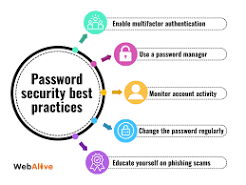
Passwords remain an important part of cybersecurity. Employees often have accounts for email, accounting systems, cloud storage, project-management platforms, and social-media services.
A business password manager such as 1Password can help employees create and store unique credentials rather than reusing passwords. Cybersecurity Tools
CISA also recommends password managers as a way to create and remember strong passwords.
The key objective is simple: every important account should have a strong, unique password.
6. Duo for Multi-Factor Authentication
Multi-factor authentication adds another layer of protection when employees sign in.
Duo is one option for organizations that want centralized MFA. CISA recommends requiring MFA wherever possible, especially for administrator accounts, remote access, email, and systems containing sensitive information. Cybersecurity Tools
Businesses should use the strongest authentication method their systems support. CISA identifies phishing-resistant security keys as a particularly strong option, followed by methods such as authenticator applications. Cybersecurity Tools
7. Cloudflare
Cloudflare provides several services that can help businesses protect websites, applications, DNS, and network access. Cybersecurity Tools
Small businesses with websites can use security features to help protect internet-facing services from malicious traffic and other threats. Cybersecurity Tools
Cloudflare’s Zero Trust approach can also help organizations manage access to internal applications without simply giving every remote employee broad network access. Cybersecurity Tools
A recent 2026 network-security comparison identified Cloudflare as a strong overall option for small businesses looking for modern network and Zero Trust protection. Cybersecurity Tools
8. Cisco Umbrella
DNS security is another useful layer of protection. DNS filtering can prevent users from reaching known malicious or inappropriate domains before a connection is established. Cybersecurity Tools
Cisco Umbrella is one example of a business DNS-security platform. It can be particularly useful for organizations with employees working from different locations because security policies can follow users beyond the traditional office network.Cybersecurity Tools
9. Sophos Firewall
For businesses that operate their own office network, a business firewall can provide an important layer of protection. Cybersecurity Tools
Sophos Firewall is one option for organizations that need more advanced network security and centralized controls. A recent 2026 comparison identified Sophos Firewall as a strong choice for businesses seeking enterprise-style firewall capabilities. Cybersecurity Tools
The right firewall depends on the company’s internet connection, number of employees, remote-work requirements, applications, and network design. Cybersecurity Tools
10. Backblaze for Business
Cybersecurity is not only about preventing attacks. Businesses also need to recover when something goes wrong. Cybersecurity Tools
Backups can protect important files from accidental deletion, hardware failure, ransomware, or other incidents. CISA specifically recommends backing up business data as part of improving cybersecurity resilience. Cybersecurity Tools
Backblaze is one example of a business backup service. Whatever solution a company chooses, backups should be tested regularly to confirm that files can actually be restored. Cybersecurity Tools
11. Acronis Cyber Protect
Acronis combines backup and cybersecurity capabilities into a broader protection platform.
This type of approach can be useful for businesses that want backup, recovery, and endpoint-security functions managed together.Cybersecurity Tools
However, companies should compare features carefully. A backup product should not be considered sufficient simply because it includes some security features.Cybersecurity Tools
12. KnowBe4
Employees are an important part of a company’s security system. Unfortunately, attackers frequently target people through phishing and social engineering.Cybersecurity Tools
KnowBe4 is designed to provide security-awareness training and phishing simulations. Training can help employees recognize suspicious messages, fake login pages, unusual requests, and other common attack techniques.
The purpose of awareness training should not be to blame employees. Instead, it should create a workplace culture where people feel comfortable reporting suspicious activity.
13. Proofpoint for Email Security
Email remains a major business communication channel and an important security concern.
Email-security platforms can help detect suspicious messages, malicious attachments, phishing attempts, and other threats.
Proofpoint is one business-focused option. Email security is especially important for companies that regularly receive invoices, documents, payment requests, and customer information through email.
14. Malwarebytes ThreatDown
Malwarebytes ThreatDown is another business endpoint-security option.
It is designed to protect organizational devices against malware and other threats while providing management capabilities for businesses.
For small organizations, ease of deployment and administration can be just as important as the number of security features. A tool that employees and administrators can manage correctly is often more useful than an extremely complicated system.
15. SentinelOne
SentinelOne provides endpoint protection with a strong focus on automated detection and response.
It can be useful for organizations looking for more advanced endpoint-security capabilities. However, businesses should evaluate pricing, supported devices, management requirements, and the level of technical support available before selecting a platform.
16. Security Logging and Monitoring
Small businesses should not ignore security logs.
Logs can provide useful information about login attempts, suspicious activity, system changes, and potential security incidents.
CISA provides resources for small and medium-sized businesses covering logging and threat detection, including its Logging Made Easy initiative.
Even a small organization can benefit from having a basic process for reviewing important security alerts.
17. Vulnerability Scanning

Businesses should regularly check their internet-facing systems for known weaknesses.
Vulnerability-scanning tools can identify outdated software, exposed services, and configuration problems that could increase risk.
CISA provides no-cost cyber-hygiene services that include vulnerability and web-application scanning resources for eligible organizations.
Small businesses should prioritize fixing high-risk vulnerabilities rather than simply collecting large numbers of security reports.
18. Software Update Tools
Outdated software can create unnecessary security risks.
Businesses should maintain an inventory of computers, applications, operating systems, browsers, routers, and other technology and ensure important security updates are installed promptly.
Automatic updates should be enabled where appropriate, while critical business systems should be tested before major changes when necessary.
19. Encryption Tools
Encryption protects information by making data difficult to understand without the appropriate key.
Businesses should consider encryption for sensitive information stored on devices and transmitted through networks.
CISA’s small-business resources specifically include encryption as one of the practices organizations can use to strengthen their defenses.
Encryption is especially important when businesses handle customer information, financial records, employee information, or confidential business documents.
20. How to Build a Small-Business Security Stack
A small company does not necessarily need twenty different products.
A practical starting security stack could include:
Layer 1 — Identity:
Use strong passwords, a business password manager, and MFA.
Layer 2 — Devices:
Use business-grade endpoint protection and keep operating systems updated.
Layer 3 — Email:
Use secure business email and phishing protection.
Layer 4 — Network:
Use a properly configured firewall, secure Wi-Fi, and appropriate DNS or Zero Trust protection.
Layer 5 — Data:
Maintain reliable backups and protect sensitive information with encryption.
Layer 6 — People:
Train employees to identify phishing and report suspicious activity.
Layer 7 — Monitoring:
Review important security alerts and investigate unusual activity.
This layered approach is generally stronger than relying on antivirus software alone. Recent 2026 guidance and comparisons similarly emphasize combining endpoint protection with identity, backup, network, and human-security controls.
How to Choose the Right Cybersecurity Tools
Before purchasing a security product, a business should answer several questions.
Company Size
A five-person company may not need the same security platform as a 100-person company.
Number of Devices
Count laptops, desktops, servers, smartphones, tablets, and other connected devices.
Cloud Services
Identify whether the company uses Microsoft 365, Google Workspace, cloud storage, accounting software, CRM platforms, or other online applications.
Remote Employees
Remote workers can introduce additional security requirements. The company should protect remote access and ensure that business devices remain updated and monitored.
Sensitive Data
Companies handling financial information, healthcare information, customer records, intellectual property, or other sensitive data may need stronger controls.
Technical Expertise
A complicated cybersecurity platform can become ineffective if nobody knows how to configure or monitor it.
Budget
Security spending should focus on reducing the company’s biggest risks rather than purchasing every available security product.
Common Mistakes Small Businesses Should Avoid
One common mistake is believing that a business is too small to be targeted. Current reporting indicates that small and medium-sized organizations continue to face significant cyber risks.
Another mistake is using only antivirus software. Endpoint protection is important, but it does not replace MFA, backups, employee training, secure email, access controls, or software updates.
Businesses should also avoid storing passwords in unsecured spreadsheets or sharing credentials through ordinary messages.
Finally, companies should not assume that having backups automatically means they are prepared for disaster. Backups need to be protected and tested.
Best Tools by Category
| Security Need | Example Tool | Best For |
| Endpoint protection | Bitdefender GravityZone | Small-business device security |
| Microsoft ecosystem | Microsoft Defender for Business | Microsoft 365 users |
| Managed detection | Huntress | Businesses without large security teams |
| Password management | 1Password Business | Secure credential management |
| MFA | Duo | Strong account authentication |
| Network/Zero Trust | Cloudflare | Cloud-first and remote businesses |
| Firewall | Sophos Firewall | Office network protection |
| Backup | Backblaze | Business data recovery |
| Security awareness | KnowBe4 | Employee training |
| Email security | Proofpoint | Business email protection |
These are examples rather than universal winners. The right combination depends on business size, systems, budget, industry, and risk profile.
Final Thoughts
Cybersecurity for small businesses in 2026 is about building layers rather than searching for one perfect tool. Endpoint security can protect devices, password managers can improve credential security, MFA can reduce account compromise, email security can help stop phishing, firewalls can protect networks, and backups can help businesses recover from incidents.
For many small businesses, the most important first steps are simple: enable MFA, use unique passwords, secure business email, update software, protect endpoints, train employees, and maintain tested backups. CISA specifically recommends these fundamentals as part of a small-business cybersecurity program.
The best cybersecurity tool is ultimately the one that fits the business and is properly configured, monitored, updated, and actually used. A simple security stack that employees understand can be much more effective than an expensive collection of tools that nobody manages.