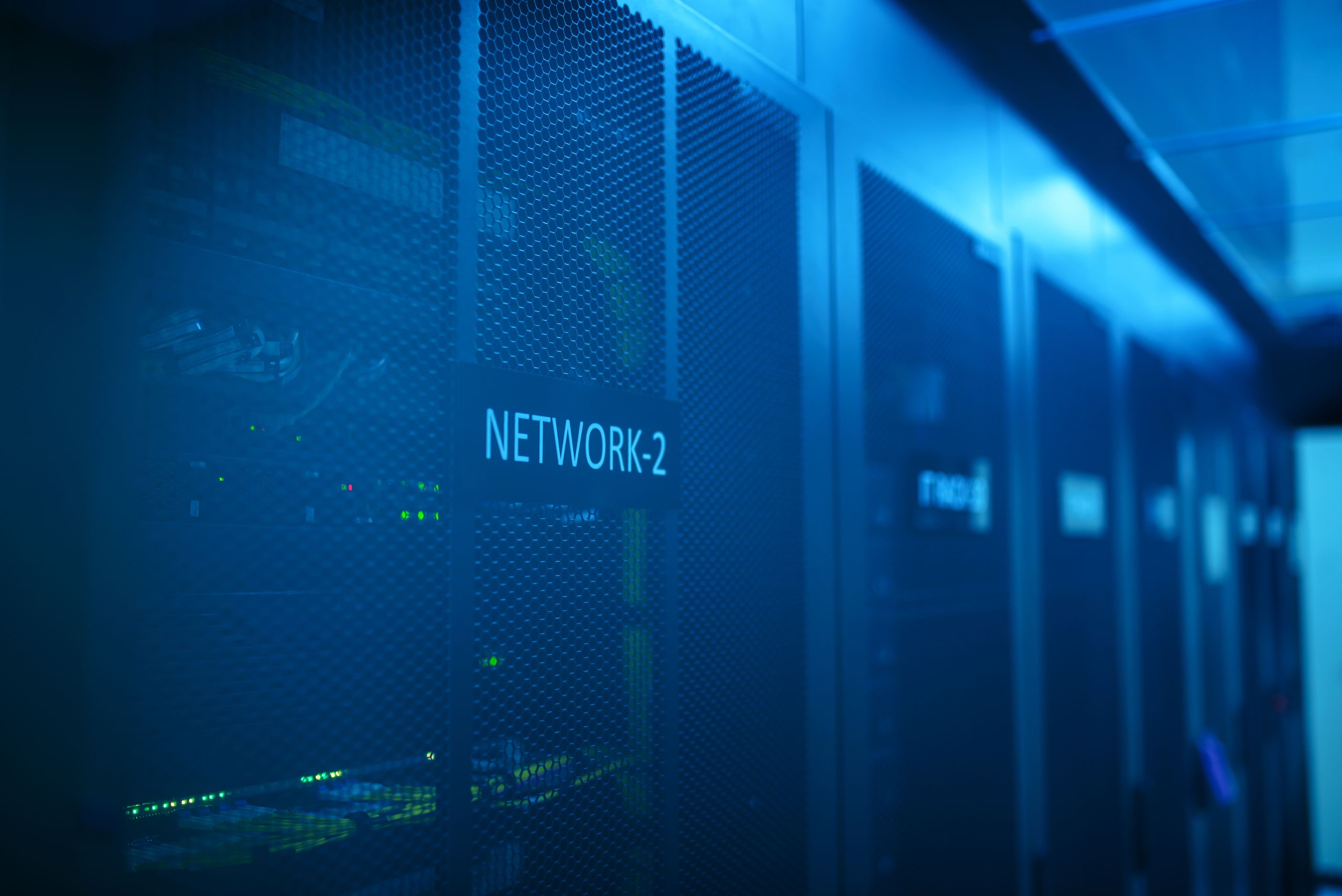
Network Security: A Complete Guide to Network Protection, Technologies, Threats, Benefits, and Future Trends
Introduction
Network security is one of the most important areas of modern information technology. As organizations, businesses, schools, governments, and individuals increasingly depend on the internet and connected devices, protecting networks has become essential.
A network connects computers, smartphones, servers, applications, databases, cloud platforms, Internet of Things devices, and many other systems. These connections allow people and organizations to communicate and share information quickly. However, connectivity also creates security risks.
Cybercriminals can attempt to steal information, disrupt services, compromise accounts, install malicious software, or gain unauthorized access to systems. A successful attack against one device can sometimes create opportunities to attack other devices connected to the same network.
Network security is the collection of technologies, policies, processes, and practices used to protect networks and the information moving through them.
It focuses on three fundamental security objectives:
- Confidentiality
- Integrity
- Availability
Confidentiality means information should only be accessible to authorized users. Integrity means information should remain accurate and should not be changed without authorization. Availability means authorized users should be able to access systems and information when they need them.
Modern network security includes firewalls, intrusion detection systems, encryption, authentication, access control, network segmentation, security monitoring, vulnerability management, endpoint protection, cloud security, and many other technologies.
This article provides a comprehensive introduction to network security, including its importance, architecture, common threats, security technologies, best practices, challenges, career opportunities, and future developments.
What Is Network Security?
Network security is the practice of protecting computer networks from unauthorized access, misuse, attacks, disruption, and data loss.
A network security program can include:
- Security policies
- Firewalls
- Encryption
- Authentication
- Access controls
- Network monitoring
- Intrusion detection
- Intrusion prevention
- Vulnerability management
- Endpoint protection
- Incident response
Network security is not a single product. It is a layered approach that combines people, processes, and technology.
Why Network Security Is Important
Almost every modern organization depends on digital networks.
Businesses use networks for:
- Websites
- Cloud applications
- Financial systems
- Customer databases
- Employee communication
- Online transactions
If these networks become unavailable or compromised, an organization may experience financial losses, operational disruption, reputational damage, and regulatory consequences.
Network security helps reduce these risks.
The CIA Triad
The CIA triad is a foundational concept in cybersecurity.
CIA stands for:
Confidentiality, Integrity, and Availability.
Confidentiality
Confidentiality ensures that sensitive information is protected from unauthorized access.
Examples include:
- Customer information
- Passwords
- Financial records
- Business documents
- Personal information
Integrity
Integrity ensures that information remains accurate and trustworthy.
An attacker who changes data without permission can cause serious problems.
Availability
Availability means authorized users can access systems when required.
Network outages, hardware failures, denial-of-service attacks, and other incidents can affect availability.
Network Security vs Cybersecurity
Network security is a part of the broader field of cybersecurity.
Cybersecurity covers the protection of:
- Networks
- Devices
- Applications
- Data
- Cloud systems
- Digital identities
Network security focuses specifically on protecting network infrastructure and communications.
Types of Networks
Understanding different network types is useful when studying network security.
Common networks include:
- Local Area Networks
- Wide Area Networks
- Wireless Networks
- Cloud Networks
- Virtual Private Networks
- Data Center Networks
Each type introduces different security requirements.
Local Area Network
A Local Area Network, or LAN, connects devices within a limited area.
Examples include networks in:
- Homes
- Offices
- Schools
- Laboratories
LAN security involves controlling which devices and users can communicate.
Wide Area Network
A Wide Area Network, or WAN, connects networks across larger geographic areas.
Businesses may use WAN technologies to connect offices in different cities or countries.
WAN security often requires encryption, secure connectivity, monitoring, and access control.
Wireless Network Security
Wireless networks use radio communication rather than physical network cables.
Wireless security is important because unauthorized users may attempt to connect to the network.
Security mechanisms can include strong authentication and modern wireless encryption standards.
Cloud Network Security
Organizations increasingly use cloud infrastructure.
Cloud network security protects:
- Cloud servers
- Virtual networks
- Applications
- Databases
- APIs
- Remote access
Cloud environments require security controls designed for virtual and distributed infrastructure.
Network Security Architecture
Network security architecture describes how security controls are organized across a network.
A secure architecture may include:
- Perimeter security
- Internal segmentation
- Identity controls
- Endpoint security
- Monitoring
- Encryption
- Security management
A layered design can reduce dependence on any single security control.
Defense in Depth
Defense in depth means using multiple layers of security.
For example:
Firewall + Authentication + Segmentation + Monitoring + Encryption
If one control fails, other controls may still provide protection.
Firewalls
A firewall is one of the most common network security technologies.
It controls network traffic according to predefined security rules.
A firewall can allow or block traffic based on factors such as:
- IP address
- Port
- Protocol
- Application
- Network zone
Network Firewall
A network firewall controls traffic between networks.
For example, an organization may place a firewall between its internal network and the public internet.
Next-Generation Firewall
Next-generation firewalls can provide capabilities beyond traditional packet filtering.
Depending on the product, they may support:
- Application awareness
- User-based policies
- Threat detection
- Intrusion prevention
- Web filtering
Web Application Firewall
A Web Application Firewall, or WAF, protects web applications from certain types of malicious traffic.
It operates at the application layer and can help defend web services against attacks such as malicious input and certain application-layer exploitation attempts.
Proxy Servers
A proxy acts as an intermediary between users and external services.
Organizations can use proxies for:
- Traffic control
- Web filtering
- Monitoring
- Privacy
- Security policies
Intrusion Detection Systems
An Intrusion Detection System, or IDS, monitors network activity for suspicious behavior.
An IDS generally alerts security teams rather than directly blocking traffic.
Intrusion Prevention Systems
An Intrusion Prevention System, or IPS, can detect suspicious activity and take automated action to block or limit it.
IDS and IPS technologies can use signatures, rules, behavioral analysis, and other detection methods.
Security Information and Event Management
Security Information and Event Management, or SIEM, systems collect and analyze security-related logs and events.
A SIEM can combine information from:
- Firewalls
- Servers
- Endpoints
- Applications
- Authentication systems
- Cloud platforms
This can help security teams identify suspicious patterns.
Security Monitoring
Security monitoring involves continuously observing systems for potential threats.
Monitoring can identify:
- Unusual login behavior
- Unexpected network traffic
- Malware indicators
- Configuration changes
- Suspicious connections
Network Traffic Analysis
Network Traffic Analysis involves examining communication patterns within a network.
Security teams may look for unusual:
- Destinations
- Traffic volumes
- Protocol usage
- Connection patterns
This can help detect threats that traditional signature-based systems may miss.
Network Access Control
Network Access Control, or NAC, manages which devices can connect to a network.
A NAC system can evaluate factors such as:
- User identity
- Device status
- Security configuration
- Network location
Authentication
Authentication verifies a user’s identity.
Common authentication methods include:
- Passwords
- Multi-factor authentication
- Security keys
- Certificates
- Biometrics
Multi-Factor Authentication
Multi-factor authentication, or MFA, requires multiple forms of verification.
For example:
Password + Verification Code
MFA can significantly reduce the risk associated with compromised passwords.
Authorization
Authorization determines what an authenticated user is allowed to access.
For example, an employee may be allowed to access business applications but not administrative network systems.
Role-Based Access Control
Role-Based Access Control assigns permissions according to roles.
Typical roles may include:
- Administrator
- Manager
- Employee
- Contractor
- Guest
Each role receives appropriate access.
Least Privilege
The principle of least privilege means users and systems should receive only the permissions necessary to perform their tasks.
This reduces the potential impact of compromised accounts.
Network Segmentation
Network segmentation divides a network into separate security zones.
For example:
- Employee network
- Guest network
- Server network
- Database network
- Management network
Segmentation can limit the movement of attackers if one part of the network is compromised.
Microsegmentation
Microsegmentation applies segmentation at a more granular level.
It can control communication between individual workloads, applications, or services.
Microsegmentation is especially useful in cloud and data-center environments.
Virtual LANs
Virtual LANs, or VLANs, logically divide network traffic.
VLANs can separate different groups of devices without requiring physically separate network infrastructure.
Zero Trust Network Security
Zero Trust is a security approach based on the principle that users and devices should not automatically be trusted simply because they are inside a network.
Access decisions can consider:
- Identity
- Device security
- Application
- Location
- Risk
- Context
The concept is often summarized as:
Never trust automatically; verify continuously.
VPN
A Virtual Private Network, or VPN, creates an encrypted connection between a device and a network or service.
VPNs can be used for:
- Remote access
- Secure communications
- Connecting offices
Organizations should carefully configure and monitor VPN systems.
Encryption
Encryption protects information by transforming it into a form that unauthorized parties cannot easily understand.
Network encryption can protect data while it travels between systems.
Transport Layer Security
Transport Layer Security, or TLS, is widely used to protect communications over networks.
Websites using HTTPS generally use TLS to protect communication between browsers and servers.
HTTPS
HTTPS is HTTP transmitted over a secure TLS connection.
It helps protect information exchanged between users and websites.
Digital Certificates
Digital certificates help establish trust between systems.
Certificates can be used to:
- Authenticate servers
- Support encrypted communication
- Establish secure connections
Public Key Cryptography
Public key cryptography uses a pair of related keys.
One key may be public while another remains private.
It is widely used in secure communication and digital authentication.
Network Security Protocols
Several protocols play important roles in secure networking.
Examples include:
- TLS
- IPsec
- SSH
- Secure DNS technologies
- Secure wireless protocols
Each protocol addresses different security requirements.
Secure Shell
Secure Shell, or SSH, is used for secure remote administration and communication.
It encrypts communication between a client and server.
Administrators should use strong authentication and carefully control SSH access.
IPsec
IPsec is a collection of protocols designed to protect IP communications.
It can be used to create secure network connections, including certain VPN configurations.
DNS Security
The Domain Name System translates domain names into network addresses.
Attackers can attempt to manipulate or abuse DNS.
Security technologies such as DNS filtering and DNSSEC can help address different DNS-related risks.
Common Network Security Threats
Networks face many types of threats.
Important examples include:
- Malware
- Ransomware
- Phishing
- Denial-of-service attacks
- Credential attacks
- Man-in-the-middle attacks
- Insider threats
- Vulnerability exploitation
- Data theft
Malware
Malware is malicious software designed to perform unauthorized or harmful actions.
Types include:
- Viruses
- Worms
- Trojans
- Spyware
- Ransomware
Ransomware
Ransomware is malware designed to disrupt access to systems or data and demand payment or otherwise pressure victims.
Organizations can reduce risk through:
- Backups
- Patch management
- Network segmentation
- Endpoint security
- User education
- Incident-response planning
Phishing
Phishing involves deceptive messages designed to trick people into revealing information or performing unsafe actions.
Phishing can target:
- Passwords
- Financial information
- Authentication codes
Security awareness training is an important defense.
Credential Attacks
Attackers may attempt to obtain or misuse account credentials.
Strong passwords, MFA, password managers, and monitoring can reduce risks.
Brute-Force Attacks
A brute-force attack attempts many possible credentials until a valid combination is found.
Organizations can use:
- Rate limiting
- Account protection
- MFA
- Monitoring
to reduce this risk.
Credential Stuffing
Credential stuffing involves using previously compromised username and password combinations against other services.
It is especially dangerous when users reuse passwords.
Unique passwords can reduce this risk.
Denial-of-Service Attacks
Denial-of-Service attacks attempt to make systems or services unavailable.
Distributed Denial-of-Service attacks use multiple systems or sources to generate traffic.
Organizations can use traffic filtering, rate limiting, content delivery networks, and specialized mitigation services to reduce risk.
Man-in-the-Middle Attacks
A man-in-the-middle attack occurs when an attacker attempts to intercept or manipulate communication between parties.
Encryption and proper certificate validation help protect communications.
Insider Threats
An insider threat can involve a person with legitimate access who intentionally or accidentally causes harm.
Security controls can include:
- Least privilege
- Monitoring
- Access reviews
- Data-loss prevention
Social Engineering
Social engineering manipulates people rather than directly attacking technical systems.
Examples include deceptive messages, impersonation, and fraudulent requests.
Technical security must therefore be combined with user awareness.
Vulnerabilities
A vulnerability is a weakness in software, hardware, configuration, or processes.
Attackers may exploit vulnerabilities to gain unauthorized access or cause disruption.
Patch Management
Patch management involves keeping software and systems updated.
Security patches can address known vulnerabilities.
Organizations should establish processes to:
- Identify updates
- Assess risk
- Test patches
- Deploy updates
- Verify successful installation
Vulnerability Scanning
Vulnerability scanners can identify known security weaknesses.
Regular scanning can help organizations understand their security posture.
However, automated scans do not replace expert assessment.
Penetration Testing
Penetration testing involves authorized security testing designed to identify weaknesses.
It should always be performed with explicit permission and within a defined scope.
Security Audits

Security audits evaluate whether systems and processes follow established requirements.
Audits can review:
- Access controls
- Policies
- Configuration
- Logs
- Security processes
Network Security Policies
Security policies define how an organization protects its network.
Policies may address:
- Passwords
- Remote access
- Device usage
- Data handling
- Software installation
- Incident reporting
Security Awareness Training
Employees are an important part of network security.
Training can teach users to recognize:
- Suspicious emails
- Fake websites
- Unexpected attachments
- Social engineering
- Unusual login requests
Endpoint Security
Endpoints include:
- Computers
- Smartphones
- Tablets
- Servers
- IoT devices
Endpoint security complements network security.
Endpoint Detection and Response
Endpoint Detection and Response, or EDR, monitors endpoint activity for suspicious behavior.
It can help security teams investigate and respond to threats.
Mobile Device Security
Mobile devices can connect to organizational networks.
Security measures can include:
- Device encryption
- Screen locks
- Mobile device management
- Application controls
- Security updates
IoT Network Security
Internet of Things devices can introduce security challenges.
Examples include:
- Cameras
- Sensors
- Smart appliances
- Industrial devices
Organizations should isolate IoT devices when appropriate and ensure they are properly maintained.
Wireless Security
Wireless security involves protecting Wi-Fi networks from unauthorized access and attacks.
Best practices include:
- Strong authentication
- Modern encryption
- Secure configurations
- Firmware updates
- Separate guest networks
Guest Networks
Guest networks provide internet access without exposing internal business resources.
This is an example of network segmentation.
Router Security
Routers are important network infrastructure.
Security measures include:
- Changing default credentials
- Updating firmware
- Disabling unnecessary services
- Restricting administrative access
- Monitoring configuration changes
Switch Security
Network switches connect devices within networks.
Security features can include:
- VLANs
- Port controls
- Access policies
- Monitoring
Network Security in Data Centers
Data centers contain large numbers of servers and networking systems.
Security can include:
- Segmentation
- Firewalls
- Access controls
- Monitoring
- Physical security
- Encryption
Physical Network Security
Cybersecurity is not only digital.
Physical security protects:
- Servers
- Network equipment
- Cables
- Data centers
Unauthorized physical access can create serious security risks.
Cloud Network Security
Cloud networks often use virtual networking technologies.
Security controls can include:
- Virtual firewalls
- Security groups
- Identity controls
- Network segmentation
- Logging
- Encryption
Container Network Security
Containers communicate through virtual networks.
Security teams need to control:
- Container communication
- Service access
- Network policies
- Secrets
Kubernetes Network Security
Container orchestration platforms can introduce complex networking environments.
Security policies can restrict which workloads communicate with each other.
API Security
APIs are an important part of modern applications.
API security includes:
- Authentication
- Authorization
- Input validation
- Rate limiting
- Logging
- Encryption
Network Security Logging
Logs record network and system events.
Examples include:
- Login events
- Firewall events
- Connection attempts
- Configuration changes
Logs can support security investigations.
Security Operations Center
A Security Operations Center, or SOC, is a team or function responsible for monitoring and responding to security events.
SOC analysts may:
- Monitor alerts
- Investigate suspicious activity
- Coordinate incident response
- Analyze logs
Security Automation
Automation can help security teams process large numbers of alerts.
Automated systems can:
- Enrich alerts
- Block suspicious traffic
- Create tickets
- Notify analysts
Human expertise remains important for complex investigations.
Incident Response
Incident response is the process of handling security incidents.
Common phases include:
- Preparation
- Detection
- Analysis
- Containment
- Eradication
- Recovery
- Lessons learned
Incident Preparation
Organizations should prepare before incidents occur.
Preparation can include:
- Response plans
- Contact lists
- Backups
- Security tools
- Training
- Exercises
Detection
Detection identifies potential security incidents.
Sources include:
- SIEM alerts
- IDS alerts
- Endpoint systems
- User reports
- Network monitoring
Containment
Containment limits the impact of an incident.
Organizations may isolate affected systems or restrict access.
Recovery
Recovery restores normal operations.
It may involve:
- Restoring systems
- Rebuilding devices
- Resetting credentials
- Monitoring for recurrence
Lessons Learned
After an incident, organizations should review what happened.
Questions may include:
- What caused the incident?
- Which controls worked?
- Which controls failed?
- How can similar incidents be prevented?
Network Security Risk Management
Risk management involves identifying and reducing security risks.
A basic process can include:
- Identify assets
- Identify threats
- Identify vulnerabilities
- Assess risk
- Apply controls
- Monitor results
Asset Management
Organizations need to know what devices and systems exist.
Unknown devices can create security blind spots.
Asset inventories can include:
- Servers
- Computers
- Routers
- Switches
- Cloud resources
- Applications
Security Baselines
Security baselines define approved configurations.
For example, an organization may define standards for:
- Operating systems
- Firewalls
- Routers
- Cloud systems
Configuration Management
Security depends heavily on correct configuration.
Misconfigured systems can create vulnerabilities even when security products are installed.
Network Security Automation
Automation can reduce manual work.
Examples include:
- Automated configuration checks
- Patch deployment
- Alert processing
- Access reviews
- Compliance reporting
Artificial Intelligence in Network Security
Artificial intelligence and machine learning are increasingly used in security.
Potential applications include:
- Anomaly detection
- Threat classification
- Malware analysis
- Alert prioritization
- Network behavior analysis
Machine Learning for Anomaly Detection
Machine learning can establish patterns of normal behavior and identify unusual activity.
For example, if a device suddenly communicates with unfamiliar systems at unusual times, a security system may flag the behavior.
Machine learning can generate false positives, so human review and careful tuning remain important.
AI Security Challenges
AI also creates new security challenges.
Attackers may use AI to improve:
- Social engineering
- Automated discovery
- Content generation
Defenders therefore need to improve AI-assisted security while maintaining strong controls.
Zero-Day Vulnerabilities
A zero-day vulnerability is a previously unknown or not-yet-patched security weakness.
Defending against zero-day vulnerabilities is difficult because traditional signatures may not exist.
Layered security, behavior monitoring, segmentation, and rapid response can reduce potential impact.
Network Security and Privacy
Network security and privacy are closely related.
Security controls protect systems, while privacy focuses on appropriate handling of personal information.
Organizations need both.
Data Loss Prevention
Data Loss Prevention, or DLP, systems can monitor sensitive information and help prevent unauthorized transmission.
DLP may be used to protect:
- Customer records
- Financial data
- Intellectual property
Email Security
Email remains a major source of security incidents.
Email security systems can detect:
- Spam
- Phishing
- Malware
- Suspicious links
Organizations should combine email filtering with user education.
Web Security
Web security protects users and applications from internet-based threats.
Controls include:
- Web filtering
- Secure browsing
- WAFs
- TLS
- DNS security
Network Security for Businesses
Businesses of all sizes need network security.
Small businesses can start with:
- Strong passwords
- MFA
- Updated software
- Secure Wi-Fi
- Backups
- Firewall protection
Larger organizations generally require more advanced systems.
Enterprise Network Security
Large organizations often have complex environments containing:
- Multiple offices
- Data centers
- Cloud services
- Remote workers
- Thousands of devices
Enterprise security requires centralized visibility and strong governance.
Remote Work Security
Remote employees access systems from outside traditional corporate networks.
Security measures can include:
- MFA
- Secure remote access
- Device management
- Endpoint protection
- Zero Trust
BYOD Security
Bring Your Own Device, or BYOD, allows employees to use personal devices for work.
Organizations need policies controlling:
- Device access
- Data storage
- Application usage
- Security requirements
Network Security for Small Businesses
Small organizations may not have dedicated security teams.
Important priorities include:
- Enable MFA.
- Keep systems updated.
- Use strong Wi-Fi security.
- Maintain backups.
- Restrict administrative access.
- Train employees.
- Monitor important systems.
Network Security for Schools
Schools manage sensitive student and staff information.
Security measures may include:
- Network segmentation
- Filtering
- Identity management
- Endpoint protection
- Security awareness
Network Security in Healthcare
Healthcare organizations manage sensitive information and critical systems.
Security priorities include:
- Privacy
- Availability
- Access control
- Encryption
- Monitoring
Network Security in Banking
Financial organizations are high-value targets for cybercriminals.
Banks use multiple layers of security, including:
- Fraud monitoring
- Encryption
- MFA
- Network segmentation
- Security operations
- Access control
Network Security in Government
Government organizations manage sensitive information and critical infrastructure.
Security requirements can include strong identity management, monitoring, segmentation, and incident-response capabilities.
Network Security Standards
Organizations can use established cybersecurity frameworks and standards to structure security programs.
Frameworks can help organizations:
- Identify risks
- Protect systems
- Detect threats
- Respond to incidents
- Recover operations
Security Governance
Governance defines who is responsible for security and how security decisions are made.
Strong governance includes:
- Policies
- Responsibilities
- Risk management
- Auditing
- Compliance
Security Compliance
Organizations may have legal or contractual security requirements.
Compliance does not automatically guarantee security, but it can establish minimum controls and accountability.
Common Network Security Challenges
Modern network security faces several challenges.
Increasing Complexity
Organizations use cloud, mobile, IoT, remote access, and traditional systems simultaneously.
Rapidly Changing Threats
Attack techniques evolve continuously.
Lack of Skilled Professionals
Security teams may face shortages of experienced specialists.
False Positives
Security tools can generate large numbers of alerts.
Legacy Systems
Older systems may be difficult to secure or update.
Legacy Network Security
Legacy systems can be difficult to protect because they may:
- Lack modern security features
- Use outdated protocols
- Be difficult to patch
Network segmentation can help isolate legacy systems.
Security Alert Fatigue
Security analysts can become overwhelmed by too many alerts.
Organizations can reduce alert fatigue through:
- Better detection rules
- Automation
- Risk-based prioritization
- Improved monitoring
Security Culture
Technology alone cannot provide complete protection.
A strong security culture encourages employees to:
- Report suspicious activity
- Follow policies
- Protect credentials
- Use approved systems
Security Awareness
Security awareness should be ongoing rather than a one-time training session.
Organizations can regularly communicate important security practices.
Network Security Best Practices
A strong network security strategy can include:
Use Multi-Factor Authentication
MFA protects accounts even when passwords are compromised.
Keep Systems Updated
Regular updates reduce exposure to known vulnerabilities.
Segment Networks
Segmentation limits unauthorized movement.
Encrypt Sensitive Communications
Encryption protects data while it travels.
Monitor Network Activity
Monitoring helps identify suspicious behavior.
Maintain Backups
Backups support recovery from incidents.
Use Least Privilege
Limit access to what users actually need.
Secure Devices
Endpoints should have appropriate security controls.
Train Employees
Users should understand common threats.
Test Security
Regular assessments help identify weaknesses.
Future of Network Security
Network security will continue to evolve as technology changes.
Important future trends include:
- Zero Trust
- AI-assisted security
- Cloud security
- Automated detection
- Passwordless authentication
- Secure access service architectures
- Network behavior analytics
- Post-quantum cryptography
AI-Driven Network Defense
Artificial intelligence may help security teams analyze enormous quantities of network data.
AI can potentially:
- Identify anomalies
- Prioritize alerts
- Summarize incidents
- Detect unusual behavior
However, organizations should carefully validate AI-generated conclusions.
Security Automation
Automation will likely become increasingly important.
Security systems may automatically:
- Detect suspicious activity
- Isolate devices
- Update rules
- Create alerts
- Collect evidence
Automation can reduce response time.
Secure Access Service Edge
Secure Access Service Edge, commonly called SASE, combines networking and security capabilities through cloud-based architectures.
It is particularly relevant to organizations with distributed employees and cloud applications.
Security Service Edge
Security Service Edge focuses on delivering security capabilities closer to users and applications through cloud-based services.
This approach can support modern distributed networks.
Post-Quantum Network Security
Future quantum computers may threaten some existing cryptographic systems.
Organizations are therefore researching and adopting post-quantum cryptographic approaches designed to withstand quantum attacks.
Career Opportunities in Network Security
Network security offers many career paths.
Possible roles include:
- Network security engineer
- Security analyst
- SOC analyst
- Security administrator
- Cloud security engineer
- Network engineer
- Incident responder
- Security architect
- Penetration tester
- Security consultant
Skills for Network Security Professionals
Important skills include:
- Networking fundamentals
- TCP/IP
- DNS
- Routing
- Firewalls
- Authentication
- Linux
- Windows administration
- Cloud computing
- Security monitoring
Programming and scripting can also be valuable.
Learning Network Security
Beginners can start with networking fundamentals.
A useful learning path is:
- Learn computer networking.
- Understand TCP/IP.
- Learn DNS and HTTP.
- Study routing and switching.
- Learn firewalls.
- Study authentication.
- Learn encryption concepts.
- Study common security threats.
- Learn security monitoring.
- Practice through legal security labs.
Networking Fundamentals
Before studying advanced network security, it is helpful to understand:
- IP addresses
- Subnets
- Ports
- Protocols
- Routers
- Switches
- DNS
- DHCP
These concepts form the foundation of network security.
Importance of Ethical Learning
Security testing should only be performed on systems where you have explicit permission.
Students can practice safely using:
- Educational labs
- Capture-the-flag platforms
- Personal test environments
- Authorized training systems
Responsible security learning protects others and builds professional skills.
Network Security Tools
Professionals may use tools for:
- Network monitoring
- Packet analysis
- Vulnerability management
- Log analysis
- Firewall management
- Endpoint security
The purpose of these tools is to identify and reduce security risks.
Packet Analysis
Packet analysis examines network communications.
Security professionals can use packet analysis to understand:
- Network protocols
- Connection behavior
- Troubleshooting problems
- Suspicious traffic
Packet analysis should be performed within authorized environments.
Network Security and Business Continuity
Security is closely connected to business continuity.
A security incident can interrupt:
- Sales
- Communication
- Production
- Customer service
Business continuity planning helps organizations continue important operations during disruptions.
Importance of Backups
Backups are one of the most important recovery mechanisms.
Organizations should consider:
- Multiple backup copies
- Different storage locations
- Access protection
- Regular testing
A backup that cannot be restored is not a reliable backup.
Security Testing
Regular security testing can reveal weaknesses before attackers exploit them.
Testing can include:
- Vulnerability scanning
- Configuration review
- Security audits
- Authorized penetration testing
- Incident-response exercises
Measuring Network Security
Organizations can measure security through indicators such as:
- Number of incidents
- Detection time
- Response time
- Patch coverage
- MFA adoption
- Vulnerability counts
- Backup recovery success
Metrics help security teams identify areas for improvement.
The Future of Secure Networking
The future of networking will likely be increasingly software-defined, cloud-based, automated, and identity-driven.
Traditional network boundaries are becoming less important as employees, applications, and devices operate from many different locations.
Security therefore needs to follow users, devices, applications, and data rather than relying solely on a physical network perimeter.
Conclusion
Network security is a fundamental part of modern technology. As organizations become increasingly dependent on connected systems, protecting networks has become essential for maintaining privacy, reliability, business operations, and trust.
Network security is not simply about installing a firewall. It is a comprehensive approach involving authentication, authorization, encryption, segmentation, monitoring, vulnerability management, endpoint protection, cloud security, incident response, and security awareness.
The most effective approach is layered security.
Firewalls can control traffic. Authentication can protect accounts. Encryption can protect communications. Network segmentation can limit movement. Monitoring can detect suspicious activity. Backups can support recovery. Security awareness can reduce human-related risks.
Modern technologies are also changing the network security landscape. Cloud computing has created distributed environments. Remote work has changed traditional network boundaries. Internet of Things devices have expanded the number of connected systems. Artificial intelligence is creating new opportunities for threat detection and automation.
At the same time, attackers continue to develop new techniques. Organizations must therefore continuously evaluate their security posture and adapt their defenses.
Zero Trust is becoming increasingly important because modern organizations can no longer assume that everything inside a traditional network is trustworthy. Identity, device security, application context, and risk can all influence access decisions.
Artificial intelligence will also play a growing role in security operations. AI can help analyze large quantities of network information and identify unusual patterns. However, human oversight remains important because automated systems can make mistakes and generate false positives.
The future will also bring new cryptographic challenges. Advances in quantum computing may eventually affect existing encryption technologies, making post-quantum cryptography an increasingly important area of research and preparation.
For businesses, network security should be treated as an ongoing process rather than a one-time project.
Organizations need to identify their assets, understand their risks, implement appropriate security controls, monitor their environments, train their users, and regularly test their defenses.
For students and technology professionals, network security offers an important and growing career field. Understanding networking fundamentals provides a strong foundation for careers in cybersecurity, cloud security, security operations, network engineering, and security architecture.
Ultimately, effective network security is about protecting the confidentiality, integrity, and availability of information and systems.
As digital connectivity continues to expand, network security will remain one of the most important foundations of the modern digital world.
A secure network enables organizations to innovate, communicate, serve customers, and operate efficiently while reducing the risks created by increasingly complex digital threats.