Digital Payments: A Complete Guide to Digital Payment Technology, Types, Benefits, Security, Challenges, and Future Trends 2026
Introduction
Digital payments have become one of the most important parts of the modern financial system. Instead of exchanging physical cash or using traditional paper-based payment methods, people and businesses can transfer money electronically through smartphones, computers, payment cards, banking applications, digital wallets, and online payment platforms.
The growth of smartphones, internet connectivity, e-commerce, cloud computing, financial technology, and banking infrastructure has transformed the way people pay for products and services.
Today, digital payments can be used for everyday purchases, online shopping, utility bills, subscriptions, transportation, education, business transactions, international commerce, and many other activities.
A customer can purchase an item from an online store and pay through a card or digital wallet. A person can send money to another individual using a mobile banking application. A business can receive payments through a QR code. A customer can use contactless technology to pay at a physical store.
Digital payments provide speed and convenience, but they also introduce important challenges. Cybersecurity, fraud, privacy, technical failures, interoperability, financial inclusion, and consumer protection are major considerations.
This article explores digital payments in detail, including their history, major types, technologies, infrastructure, security, mobile payments, digital wallets, contactless payments, QR payments, online payments, payment gateways, fintech, artificial intelligence, blockchain, cross-border transactions, benefits, disadvantages, regulations, and the future of digital financial services.
What Are Digital Payments?
Digital payments are financial transactions in which money is transferred electronically rather than through physical cash.
A digital payment can involve:
- Bank accounts
- Debit cards
- Credit cards
- Mobile wallets
- Banking applications
- QR codes
- Online payment gateways
- Contactless payment systems
- Electronic transfers
- Digital financial platforms
The exact process depends on the payment method.
How Digital Payments Work
A typical digital payment involves several participants.
These may include:
- Customer
- Merchant
- Payment service provider
- Bank or financial institution
- Payment network
- Payment processor
When a customer initiates a payment, the system verifies the transaction and transfers funds between the relevant accounts.
The process can happen within seconds, although settlement may sometimes take longer depending on the payment method.
Evolution of Payments
Payment methods have evolved over thousands of years.
Traditional economies relied heavily on barter and physical currency.
Later, banking systems introduced checks and other financial instruments.
Payment cards became increasingly popular during the twentieth century.
The development of the internet created new opportunities for electronic commerce and online payments.
Smartphones then accelerated the growth of mobile payments and digital wallets.
From Cash to Digital Payments
Cash remains important in many economies, but digital payment adoption has increased significantly.
Consumers increasingly use electronic payment methods because they can be convenient, fast, and easy to integrate with online services.
Digital Payment Ecosystem
Digital payments depend on a large ecosystem.
Important participants include:
- Consumers
- Merchants
- Banks
- Payment networks
- Fintech companies
- Technology providers
- Regulators
- Security providers
These participants work together to make transactions possible.
Types of Digital Payments
There are many forms of digital payment.
Major categories include:
- Debit card payments
- Credit card payments
- Mobile payments
- Digital wallets
- Bank transfers
- QR payments
- Contactless payments
- Online payment gateways
- Direct debit
- Electronic funds transfers
Debit Card Payments
A debit card allows customers to make payments using funds available in a linked bank account.
When a transaction is completed, the customer’s account is generally debited according to the payment process.
Credit Card Payments
Credit cards allow customers to make purchases using credit provided by the card issuer.
The customer typically repays the amount later according to the card’s terms.
Mobile Payments
Mobile payments allow users to make or receive payments through mobile devices.
Smartphones can function as digital payment tools through banking applications, wallets, QR systems, and contactless technologies.
Digital Wallets
A digital wallet is a software-based system that allows users to store payment information or digital funds and make electronic transactions.
Depending on the wallet, users may be able to:
- Store cards
- Send money
- Receive money
- Pay merchants
- Store tickets
- Manage loyalty information
Mobile Wallets
Mobile wallets are digital wallets designed for use on smartphones and other mobile devices.
They can support both online and physical-store transactions.
QR Code Payments
QR codes provide another method of making digital payments.
A merchant can display a QR code containing payment information.
The customer scans it with a compatible application and completes the transaction.
Static QR Codes
A static QR code contains payment information that generally remains unchanged.
The customer may need to enter the payment amount manually.
Dynamic QR Codes
A dynamic QR code can contain transaction-specific information, including the amount to be paid.
This can reduce manual entry.
Contactless Payments
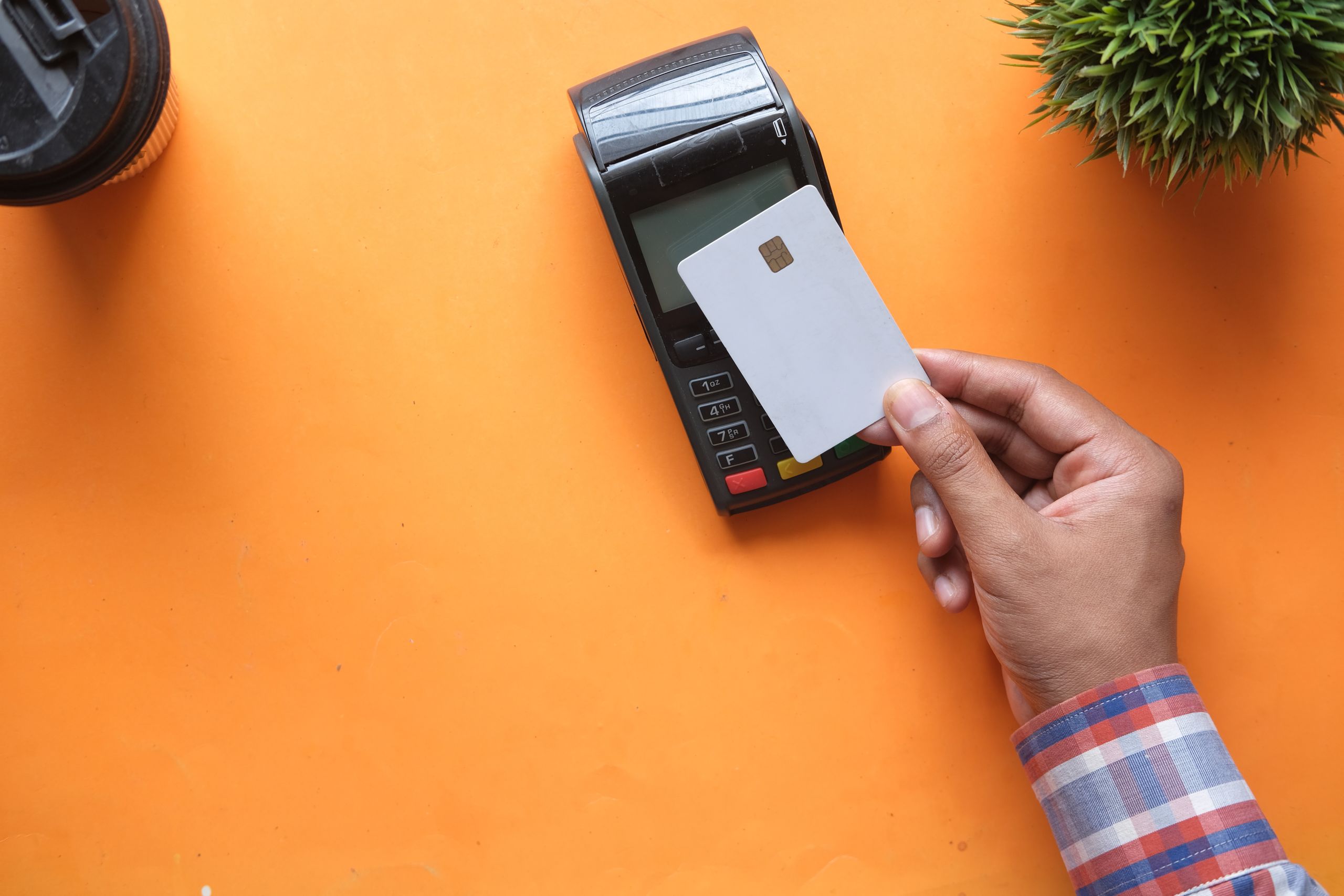
Contactless payments use wireless communication technology to exchange transaction information between a payment device and a compatible terminal.
Near Field Communication, or NFC, is commonly used for contactless transactions.
Tap-to-Pay
A customer can hold a compatible card, smartphone, or wearable device near a payment terminal.
The transaction can then be authorized without inserting the physical card.
Wearable Payments
Some smartwatches and other wearable devices can support digital payments.
This allows users to pay without taking out a smartphone or wallet.
Online Payments
Online payments are electronic transactions conducted through the internet.
They are essential to e-commerce.
Customers can pay for:
- Products
- Services
- Subscriptions
- Digital content
- Bills
Payment Gateways
A payment gateway is a technology that helps merchants securely submit payment information for processing.
It can connect an online store with payment processing systems.
Payment Processors
Payment processors facilitate communication between merchants, banks, card networks, and other financial systems.
They help process transaction information and authorization requests.
Payment Networks
Payment networks provide infrastructure that allows payment transactions to move between participating financial institutions.
Different networks have different rules, technologies, and geographic coverage.
Bank Transfers
Electronic bank transfers allow money to move from one bank account to another.
They can be used for:
- Personal transfers
- Business payments
- Salary payments
- Bills
- Purchases
Real-Time Payments
Real-time payment systems allow transactions to be processed very quickly.
Depending on the country and system, funds may become available almost immediately.
Real-time payments can improve the speed of commerce and person-to-person transfers.
Peer-to-Peer Payments
Peer-to-peer payment systems allow individuals to transfer money directly to other individuals through digital platforms.
Common uses include:
- Sending money to family
- Splitting expenses
- Repaying friends
- Small personal transactions
Business-to-Business Payments
Businesses use digital payments to pay:
- Suppliers
- Employees
- Contractors
- Service providers
Digital business payments can reduce paperwork and improve transaction tracking.
Recurring Payments
Recurring payments allow customers to authorize repeated transactions.
They are common for:
- Streaming services
- Software subscriptions
- Utilities
- Memberships
Direct Debit
Direct debit allows an authorized organization to collect payments from a customer’s bank account according to an agreed arrangement.
It can be useful for recurring bills.
Digital Invoicing
Digital payment systems can integrate with electronic invoices.
Businesses can send invoices containing payment options, allowing customers to pay without manually entering banking information.
Digital Payments and E-Commerce
E-commerce depends heavily on digital payment technology.
An online store generally needs a secure way to accept payments.
A typical process may include:
- Customer selects a product.
- Customer enters payment information.
- Payment details are securely transmitted.
- Transaction authorization is requested.
- Payment is approved or declined.
- Order confirmation is provided.
- Funds are processed and settled.
Benefits of Digital Payments
Digital payments provide several advantages.
Convenience
Customers can make payments without carrying cash.
Speed
Many digital transactions are processed quickly.
Accessibility
Digital payments can be available through smartphones and online banking systems.
Record Keeping
Electronic transactions automatically create digital records.
E-Commerce Support
Digital payments make online shopping possible.
Business Efficiency
Businesses can automate billing, collections, and reconciliation.
Convenience
One of the biggest advantages of digital payments is convenience.
People can make payments at almost any time using connected devices.
Speed
Digital transactions can be much faster than traditional paper-based payment methods.
Real-time payment infrastructure can make money transfers especially quick.
Transparency
Digital records can make it easier for individuals and businesses to track transactions.
Reduced Cash Handling
Businesses that accept digital payments may reduce the need to count, transport, store, and deposit physical cash.
Business Efficiency
Digital payments can integrate with accounting and business-management systems.
This can reduce manual data entry.
Digital Payments for Small Businesses
Small businesses can use digital payments to accept customers through:
- QR codes
- Payment links
- Cards
- Digital wallets
- Bank transfers
Digital payment systems can allow small businesses to participate more effectively in e-commerce.
Digital Payments for Online Businesses
Online businesses need payment systems that can support customers across different locations.
Payment platforms can provide:
- Multiple payment methods
- Automated receipts
- Refund management
- Transaction reporting
International Digital Payments
International payments are more complex because they may involve:
- Different currencies
- Banks
- Payment networks
- Foreign exchange
- Regulatory requirements
Cross-Border Payments
Cross-border payment systems allow money to move between countries.
Traditional international payments can involve multiple intermediaries.
Fintech companies and modern payment networks are attempting to make cross-border payments faster and more efficient.
Foreign Exchange
When payments involve different currencies, exchange rates become important.
The final amount received may depend on:
- Exchange rate
- Fees
- Taxes
- Processing costs
Digital Remittances
Digital remittance services allow people to send money internationally using online platforms.
This can make international money transfers more accessible.
Digital Payments and Financial Inclusion
Digital payments can support financial inclusion by providing people with access to electronic financial services.
Mobile technology is particularly important in regions where traditional banking infrastructure may be limited.
Mobile Financial Services
Mobile phones can provide access to:
- Payments
- Money transfers
- Savings services
- Account information
The exact availability of these services depends on local financial systems and regulations.
Challenges to Financial Inclusion
Digital payment adoption can be limited by:
- Lack of internet access
- Smartphone availability
- Digital literacy
- Identification requirements
- Transaction costs
- Trust
- Infrastructure
Digital Payment Security
Security is one of the most important aspects of digital payments.
Payment systems need to protect:
- Financial information
- Account credentials
- Transaction data
- Personal information
Encryption
Encryption converts information into a protected format.
It helps prevent unauthorized parties from reading sensitive information while it is being transmitted or stored.
Tokenization
Payment tokenization replaces sensitive payment information with a token.
The token can be used for transactions without exposing the original payment information in the same way.
Authentication
Authentication verifies the identity of the person attempting to make a payment.
Methods can include:
- Passwords
- PINs
- Biometrics
- One-time codes
- Device authentication
Multi-Factor Authentication
Multi-factor authentication requires more than one form of verification.
It can improve account security by adding additional protection beyond passwords.
Biometric Authentication
Biometric systems may use:
- Fingerprints
- Facial recognition
- Voice characteristics
Biometrics can provide convenient authentication, although organizations must carefully protect biometric information.
One-Time Passwords
One-time passwords are temporary codes used to verify transactions or account access.
They can provide an additional layer of security.
Fraud Detection
Payment providers use automated systems to identify suspicious transactions.
They may analyze:
- Transaction amount
- Location
- Device
- Transaction frequency
- Historical behavior
Artificial Intelligence in Payment Security
Artificial intelligence and machine learning can analyze large amounts of transaction data to identify unusual patterns.
AI systems may help detect:
- Fraud
- Account takeover
- Unusual transaction behavior
AI decisions should be monitored because legitimate transactions can sometimes be incorrectly flagged.
Phishing
Phishing involves deceptive messages designed to trick users into revealing sensitive information.
Users should avoid entering payment credentials into suspicious websites or responding to unexpected requests for financial information.
Social Engineering
Social engineering attacks manipulate people rather than directly attacking technology.
Attackers may pretend to be:
- Bank employees
- Customer support agents
- Merchants
- Friends or relatives
Users should independently verify unusual payment requests.
Payment Scams
Digital payment scams can involve fake invoices, fraudulent stores, impersonation, investment schemes, and unauthorized transactions.
Consumers should verify payment recipients before sending money.
Account Takeover
Account takeover occurs when an attacker gains unauthorized access to a user’s account.
Strong passwords, multi-factor authentication, device security, and awareness can reduce risk.
Secure Payment Practices
Consumers can improve payment security by:
- Using strong passwords.
- Enabling multi-factor authentication.
- Keeping devices updated.
- Avoiding suspicious links.
- Checking transaction notifications.
- Using trusted payment applications.
- Reviewing account statements.
- Reporting suspicious activity quickly.
Digital Payment Privacy

Digital payments create electronic records.
Transaction information can potentially reveal:
- Purchase history
- Location
- Timing
- Merchant relationships
- Spending patterns
Privacy protection is therefore an important issue.
Data Collection
Payment providers may collect information needed to process transactions and comply with applicable legal requirements.
Users should understand the privacy policies of the services they use.
Data Minimization
Data minimization means collecting and retaining only the information necessary for legitimate purposes.
This can reduce privacy risks.
Consumer Consent
Users should have clear information about how their data is used when consent is required.
Digital Payment Regulations
Payment systems operate within financial and data-protection regulations.
Regulatory requirements vary by country.
They may address:
- Consumer protection
- Anti-money-laundering requirements
- Identity verification
- Data security
- Payment licensing
Know Your Customer
Know Your Customer, or KYC, processes help financial institutions verify customer identities.
KYC can help prevent certain forms of financial crime.
Anti-Money-Laundering
Anti-Money-Laundering, or AML, controls are designed to detect and prevent illegal movement of funds.
Digital payment providers may be required to monitor transactions and report certain activities.
Consumer Protection
Payment regulations may provide protections related to:
- Unauthorized transactions
- Refunds
- Disputes
- Disclosure of fees
The exact rules depend on the jurisdiction and payment method.
Payment Disputes
Customers may sometimes dispute transactions.
Payment providers generally have processes for investigating unauthorized or disputed transactions.
Refunds
Digital payment systems can support automated refunds.
The timing of a refund can depend on the payment method and financial institutions involved.
Chargebacks
Certain card payment systems provide chargeback processes that allow eligible transactions to be disputed.
Merchants need to manage chargebacks carefully.
Digital Payments and Fintech
Financial technology, or fintech, has played a major role in digital payment innovation.
Fintech companies have introduced:
- Digital wallets
- Payment applications
- Online banking services
- Payment gateways
- Automated financial services
Banking as a Service
Banking-as-a-Service models can allow technology companies to integrate financial services into their applications through APIs and partnerships.
Embedded Payments
Embedded payments integrate payment capabilities directly into another digital experience.
For example, a transportation application may allow users to pay within the same application instead of visiting a separate payment website.
Embedded Finance
Embedded finance extends this concept to financial services more broadly.
Digital platforms can integrate:
- Payments
- Lending
- Insurance
- Banking services
Application Programming Interfaces
APIs allow software systems to communicate.
Payment APIs can allow online businesses to:
- Create payment requests
- Check transaction status
- Issue refunds
- Manage customers
Payment Links
Payment links allow businesses to send customers a digital link through which they can complete a payment.
They can be useful for small businesses and service providers.
Digital Payment Infrastructure
Behind every digital payment is a complex infrastructure.
It can include:
- Databases
- Networks
- Payment processors
- Authentication systems
- Fraud detection
- Banking systems
- Settlement systems
Payment Authorization
Authorization determines whether a transaction is approved.
The payment provider checks relevant information before approving or declining a payment.
Clearing
Clearing involves exchanging and reconciling transaction information between financial institutions.
Settlement
Settlement is the process through which funds are ultimately transferred between participating institutions.
Authorization, clearing, and settlement are related but distinct stages.
Payment Latency
Payment latency refers to how quickly a transaction moves through the system.
Users generally prefer fast payment confirmation.
Payment Reliability
Payment systems must be highly reliable because failures can affect customers and businesses.
Organizations use redundancy, monitoring, backups, and disaster-recovery systems to improve reliability.
Digital Payment Infrastructure and Cloud Computing
Cloud computing can support payment systems by providing scalable infrastructure.
Cloud platforms can provide:
- Compute resources
- Storage
- Databases
- Monitoring
- Security services
Financial institutions still need to meet applicable security and regulatory requirements.
Edge Computing and Payments
Edge computing can reduce latency by processing certain information closer to users.
It can be useful for applications that require rapid responses.
Digital Payments and Blockchain
Blockchain technology has attracted significant attention in the payments industry.
Blockchain systems can maintain distributed records of transactions.
Cryptocurrency Payments
Cryptocurrencies can be used as digital payment assets in some contexts.
However, their volatility, regulatory treatment, transaction costs, and acceptance vary considerably.
Stablecoins
Stablecoins are digital assets designed to maintain a value linked to another asset, commonly a fiat currency.
They are being explored for payments and settlement, but their risks and regulatory treatment vary.
Central Bank Digital Currencies
Central Bank Digital Currencies, or CBDCs, are digital forms of central-bank money.
Different countries have researched or tested CBDC systems using different designs.
CBDCs could potentially provide new digital payment infrastructure while raising important questions about privacy, financial stability, technology, and regulation.
Blockchain and Traditional Payments
Blockchain does not automatically replace traditional payment systems.
Its usefulness depends on factors such as:
- Transaction speed
- Scalability
- Governance
- Cost
- Regulation
- Interoperability
Digital Payments and Artificial Intelligence
AI is transforming payment systems.
Potential applications include:
- Fraud detection
- Customer support
- Risk assessment
- Transaction analysis
- Personalized financial services
Machine Learning for Fraud Detection
Machine learning systems can identify unusual patterns across large datasets.
For example, a transaction may be flagged if it differs significantly from a customer’s normal behavior.
AI Customer Service
Payment providers can use AI-powered assistants to answer common questions.
Human support remains important for complex financial problems.
Predictive Analytics
Payment companies can analyze transaction patterns to understand customer behavior and business trends.
Digital Payments and Big Data
Payment systems generate large volumes of data.
Organizations can use analytics to understand:
- Transaction trends
- Customer behavior
- Fraud patterns
- Business performance
Data must be handled according to applicable privacy and security requirements.
Digital Payments in Retail
Retail is one of the largest applications of digital payments.
Customers can pay through:
- Cards
- Phones
- Wearables
- QR codes
- Online accounts
Omnichannel Payments
Omnichannel payment systems connect physical and online shopping experiences.
A customer may begin an order online and complete payment through a physical store.
Self-Checkout
Digital payment technology supports self-checkout systems.
Customers can scan products and complete transactions electronically.
Digital Payments in Transportation
Transportation systems increasingly use digital payments.
Examples include:
- Public transit
- Ride-hailing
- Parking
- Tolls
Contactless and mobile payment systems can make transportation transactions faster.
Digital Payments in Education
Schools and universities can use digital payments for:
- Tuition
- Fees
- Applications
- Meals
- Events
Digital Payments in Healthcare
Healthcare organizations can accept digital payments for:
- Appointments
- Services
- Insurance-related expenses
Financial information must be protected carefully because healthcare environments may involve sensitive personal information.
Digital Payments in Hospitality
Hotels and restaurants can use digital payments for:
- Reservations
- Room charges
- Food purchases
- Online orders
Digital Payments in Government Services
Government agencies can use digital payments for:
- Taxes
- Licenses
- Fees
- Applications
Digital government payments can reduce paperwork and improve convenience.
Digital Payments in Agriculture
Farmers and agricultural businesses can use digital financial services for:
- Payments
- Purchases
- Transfers
- Market transactions
Mobile payment systems can be particularly useful in areas with limited traditional banking infrastructure.
Digital Payments and E-Commerce Growth
Digital payments have enabled online commerce to expand globally.
Without reliable electronic payment systems, many e-commerce business models would be difficult to operate.
Subscription Economy
Digital payments support subscription-based businesses.
Automatic recurring transactions allow companies to provide continuous services.
Digital Payment Fees
Digital payments are not always free.
Costs can include:
- Processing fees
- Foreign exchange fees
- Account fees
- Withdrawal fees
- Transfer fees
Businesses should understand the pricing structure before choosing a payment provider.
Transaction Costs
Reducing transaction costs can make digital payments more attractive to businesses and consumers.
However, security, reliability, compliance, and support also matter.
Digital Payment Adoption
Digital payment adoption depends on several factors.
These include:
- Smartphone penetration
- Internet access
- Banking infrastructure
- Consumer trust
- Merchant acceptance
- Government policy
- Payment costs
Consumer Trust
People are more likely to adopt digital payments when they believe transactions are secure and reliable.
Payment providers must therefore invest heavily in security and customer support.
Merchant Acceptance
Digital payment systems become more useful when many merchants accept them.
A large acceptance network can encourage further adoption.
Digital Literacy
Users need sufficient digital literacy to operate payment applications safely.
Education can help consumers recognize scams and protect their accounts.
Digital Divide
Not everyone has equal access to smartphones, internet services, or banking systems.
Digital payment strategies should consider people who remain dependent on cash or traditional financial services.
Offline Payments
Some payment technologies are designed to support limited functionality during poor connectivity.
Offline capabilities can be valuable in areas with unreliable internet access.
Digital Payment Accessibility
Payment applications should be designed for people with different abilities.
Accessible interfaces can include:
- Screen-reader compatibility
- Clear text
- Voice support
- Simple navigation
- High-contrast interfaces
Digital Payments and Sustainability
Digital payments can reduce paper use and some forms of physical cash handling.
However, digital infrastructure also consumes energy and requires electronic devices.
A complete sustainability analysis should consider data centers, networks, payment terminals, smartphones, and electronic waste.
Digital Payment Security in the Future
Future payment security is likely to use increasingly advanced technologies.
Potential developments include:
- Stronger authentication
- Behavioral analysis
- AI fraud detection
- Tokenization
- Device-based security
- Improved encryption
Biometric Payments
Biometric technologies may become more common in certain payment environments.
Users should consider privacy implications before adopting biometric payment systems.
Invisible Payments
Invisible payments are transactions that happen with minimal manual interaction.
For example, an application may store authorized payment information and process future purchases automatically.
Such systems require strong authentication and clear user controls.
Smart Payment Terminals
Modern payment terminals can support:
- Contactless cards
- Mobile wallets
- QR codes
- Digital receipts
Digital Receipts
Digital receipts can be sent through:
- SMS
- Mobile applications
They can reduce paper consumption and make transaction records easier to search.
Payment Personalization
Payment platforms may personalize experiences based on user preferences.
However, personalization should not compromise privacy or fairness.
Open Banking and Payments
Open banking allows authorized third-party providers to access certain financial information or initiate payments through regulated interfaces, depending on local rules.
It can increase competition and enable new financial products.
Account-to-Account Payments
Account-to-account payments transfer money directly between bank accounts.
They can reduce reliance on card networks in certain use cases.
Payment Interoperability
Interoperability means different payment systems can communicate and work together.
Greater interoperability can improve consumer choice.
Global Payment Connectivity
As international commerce grows, businesses need payment systems that work across borders.
Interoperability and standardized financial messaging can support international transactions.
Future of Digital Payments
The future of digital payments will likely be shaped by:
- Artificial intelligence
- Real-time payments
- Digital wallets
- Open banking
- Embedded finance
- Blockchain
- CBDCs
- Biometric authentication
- Contactless technology
- Improved cybersecurity
Real-Time Economy
As real-time payment systems expand, customers and businesses may increasingly expect immediate payment confirmation and availability of funds.
AI-Powered Payment Security
AI may become increasingly important in identifying fraud while minimizing false declines.
More Personalized Payments
Payment experiences may become more integrated into applications and digital services.
Increased Use of Mobile Devices
Smartphones are likely to remain an important payment interface.
Digital Wallet Expansion
Digital wallets may increasingly combine payments with:
- Loyalty programs
- Tickets
- Identification
- Financial services
Embedded Payments
Payments will increasingly become integrated into applications instead of being separate processes.
Cross-Border Innovation
Fintech companies and financial institutions will continue working on faster and cheaper international payments.
Digital Currency Developments
Central banks and private organizations will continue exploring digital currencies and tokenized financial assets.
The future direction will depend heavily on regulation, technology, economics, and public adoption.
Challenges of Digital Payments
Despite their advantages, digital payments face several challenges.
Cybersecurity Risks
Attackers continually develop new methods of stealing financial information.
Privacy Concerns
Digital transactions generate detailed records.
Technical Failures
Network or system outages can prevent transactions.
Fraud
Scammers can target users and merchants.
Digital Exclusion
Some people lack access to digital payment infrastructure.
Fees
Payment processing can create costs.
Compatibility
Different payment systems may not always work together.
Reducing Digital Payment Risks
Organizations can reduce risks through:
- Strong authentication
- Encryption
- Tokenization
- Fraud monitoring
- Regular security testing
- Employee training
- Incident-response planning
Consumers can also protect themselves through secure passwords, device updates, cautious browsing, and transaction monitoring.
Role of Banks
Banks remain central to digital payment systems.
They provide:
- Accounts
- Payment services
- Authentication
- Settlement
- Financial infrastructure
Role of Fintech Companies
Fintech companies introduce new payment experiences and technologies.
They often focus on convenience, speed, mobile applications, and integration.
Role of Governments
Governments establish financial and consumer-protection frameworks.
They may regulate:
- Payment institutions
- Banks
- Digital wallets
- Financial data
- Anti-money-laundering systems
Role of Merchants
Merchants must choose appropriate payment options for their customers.
They also need to protect payment information and comply with relevant requirements.
Role of Consumers
Consumers should use digital payments responsibly.
They should:
- Protect account credentials
- Verify recipients
- Monitor transactions
- Report suspicious activity
- Keep devices updated
Conclusion
Digital payments have transformed the global financial landscape.
What once required physical cash, checks, or visits to a bank can now often be completed through a smartphone, payment card, digital wallet, online banking application, or QR code.
The technology behind digital payments is complex. A single transaction may involve merchants, banks, payment networks, processors, authentication systems, fraud-detection platforms, databases, telecommunications networks, and settlement infrastructure.
Digital payments offer significant benefits.
They can make transactions faster and more convenient, support e-commerce, reduce cash handling, improve business efficiency, create digital records, and expand access to financial services.
Mobile payments and digital wallets have made payment technology particularly accessible through smartphones. Contactless payments have simplified transactions in physical stores, while QR codes have provided flexible options for merchants and consumers.
For businesses, digital payments can improve billing, accounting, transaction management, and customer experiences.
For consumers, they can provide convenient access to financial services and make it easier to purchase products, pay bills, send money, and manage transactions.
However, digital payments also create serious responsibilities.
Cybersecurity is one of the most important concerns. Fraud, phishing, account takeover, malware, and social engineering can threaten users and organizations.
Privacy is another major issue. Digital payments create records that can reveal significant information about financial behavior.
Payment providers therefore need strong security, privacy protection, responsible data management, fraud detection, and transparent policies.
Artificial intelligence is expected to play an increasingly important role in the future. Machine learning can analyze transaction patterns and help identify suspicious activity. AI can also support customer service and risk management.
Real-time payment systems are changing expectations around transaction speed. Open banking is creating new opportunities for account-to-account payments and financial innovation. Embedded finance is integrating payments into applications and services. Blockchain and digital currencies are creating new possibilities while also raising important regulatory and technical questions.
The future of digital payments is likely to be increasingly mobile, automated, connected, and intelligent.
Payments may become less visible as they become integrated directly into applications, devices, vehicles, online platforms, and physical environments.
At the same time, security and privacy will become even more important.
A successful digital payment ecosystem must balance convenience with protection. Transactions need to be fast without becoming careless, automated without removing user control, and personalized without unnecessarily exposing personal information.
Financial inclusion will also remain an important objective. Digital payments should not create a system in which people without smartphones, internet access, bank accounts, or digital skills are completely excluded from economic participation.
The strongest digital payment systems will therefore combine technology with accessibility, reliability, security, regulation, consumer protection, and trust.
Digital payments are more than a replacement for cash. They are becoming a fundamental part of the digital economy.
As smartphones, artificial intelligence, cloud computing, real-time networks, digital wallets, open banking, and emerging financial technologies continue to develop, payment experiences will become increasingly integrated into everyday life.
The future of payments will likely be defined not simply by how people transfer money, but by how seamlessly financial services become part of the digital experiences people already use.
Digital payments will continue to influence commerce, banking, business, government services, international trade, and everyday financial activity.
Their continued development will depend on innovation, responsible regulation, cybersecurity, privacy protection, interoperability, and public trust.
Ultimately, the goal of digital payment technology is simple: to make transferring value easier, faster, safer, and more accessible while protecting the people and businesses that depend on the financial system.